Early Investment in Child Development: An Indian Parent's Guide
Making an early investment in child development in India is undeniably a cornerstone for a brighter future, both for individual children and the nation. As echoed by recent headlines like 'Early investment in children, the key to India’s future' from The Hindu, focusing on the initial 0-12 months provides a crucial foundation for all subsequent growth and learning, directly addressing new parents' anxieties about their baby's milestones.
Early investment in child development refers to proactively providing a stimulating, nurturing, and responsive environment during a baby's foundational years. This matters because the vast majority of brain development occurs before age five, making these years critical for cognitive, emotional, and social wiring. Indian parents can actively participate by engaging in responsive care, offering age-appropriate learning opportunities, and fostering secure attachments.
Why Early Investment is a Game-Changer for Indian Families
The importance of early childhood investment cannot be overstated, particularly within the dynamic context of Indian families. During the first year of life, a baby’s brain develops at an astonishing rate, forming over a million new neural connections every second. Studies indicate that strong early foundations lead to improved cognitive abilities, better school readiness, and enhanced social-emotional resilience, equipping children for the academic pressures often seen in India.
Investing early ensures that babies receive the crucial sensory and social inputs necessary for optimal growth. This commitment also aligns with global progress, as UNICEF highlights India's sustained efforts in reducing child deaths, underscoring the broader impact of prioritizing early well-being. A strong start mitigates developmental delays and builds a robust framework for lifelong learning, preparing children to excel in a competitive world.
Laying the Foundations: Montessori Principles for 0-12 Months
Embracing a Montessori early learning investment from birth offers a profoundly effective approach to nurturing your baby's inherent capabilities. Maria Montessori observed that even infants possess an absorbent mind, capable of soaking up information from their environment. For babies aged 0-12 months, this translates to providing a prepared environment that encourages independent exploration and caters to specific developmental sensitive periods.
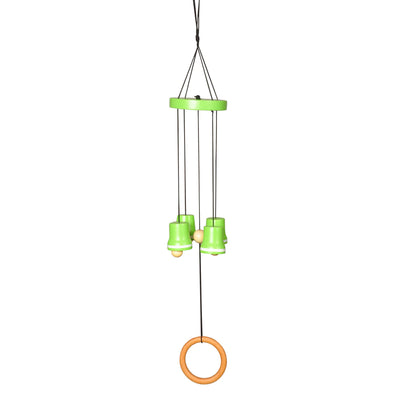
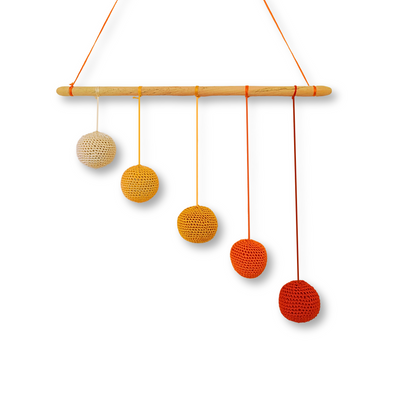
For newborns up to three months, high-contrast visual mobiles, like the Munari or Octahedron, stimulate visual development and concentration. As they reach three to six months, babies benefit from grasping rattles and teething toys that enhance fine motor skills and hand-eye coordination. These simple yet purposeful Montessori materials allow infants to discover cause and effect, an essential cognitive step.
From six to nine months, activity gyms with suspended objects encourage reaching and batting, fostering gross motor development. Teethers become increasingly important as babies explore objects with their mouths. For the nine to twelve-month period, simple puzzles, stacking rings, and soft blocks support problem-solving skills and spatial awareness, preparing them for more complex tasks. Each activity is designed to be self-correcting, building a child's confidence and independence.
Practical Ways Indian Parents Can Invest Daily
Parental investment in baby development goes beyond just toys; it’s about consistent, loving interaction and creating a stimulating home environment. Simple daily routines can become powerful learning opportunities. Engage your baby in conversations, narrating your day as you move around the home, whether in a modern apartment or a bustling joint family setup. This language-rich environment significantly boosts vocabulary and comprehension.
Reading to your baby from birth, even just a few minutes daily, introduces them to sounds, rhythms, and stories. Board books with vibrant pictures are perfect for little hands and curious eyes. Incorporate sensory play using safe, everyday objects – the texture of a cotton saree, the smell of fresh spices, or the sound of traditional music during festivals. Grandparents often play a vital role here, sharing age-old rhymes and stories, connecting the baby to their cultural roots and fostering intergenerational bonds.
Responding to your baby’s cues – whether it’s a coo, a cry, or a gaze – builds a secure attachment, which is fundamental for emotional regulation and social development. This responsive care is a profound investment, assuring your baby they are safe and valued. For examples of engaging materials, explore SkilloToys' collection of Montessori Method Learning Materials designed to support these crucial early interactions.
Investing in Your Baby's Future: Beyond the First Year
The concept of investing in baby's future India truly begins with the decisions made in the first year. The neural pathways established now are the superhighways for all future learning and skill acquisition. While the initial focus is on the 0-12 month period, the habits and environment created during this time set the stage for continued growth and development well into toddlerhood and beyond.
A well-invested first year contributes to improved school readiness, higher academic achievement, and stronger problem-solving skills, which are highly valued in India's competitive educational system. Research shows that children who receive rich early childhood experiences are more likely to develop a lifelong love for learning, adapt to new challenges, and thrive in various social settings. This early commitment is an investment in their potential, contributing to a generation of resilient, capable individuals ready to contribute meaningfully to society.
Continuing to provide age-appropriate stimuli, fostering independence, and maintaining open communication are essential as your child grows. The principles of Montessori, which empower children to learn at their own pace and through self-discovery, remain relevant and beneficial throughout childhood. Your efforts in these formative months are not just for today; they are building blocks for a successful, fulfilling life.
- The first 0-12 months are crucial for foundational brain development, with over a million neural connections forming per second.
- Early investment in child development in India significantly enhances cognitive abilities and school readiness.
- Montessori principles offer a structured approach to providing age-appropriate, stimulating environments for infants.
- Responsive care, language-rich interactions, and sensory play are essential forms of parental investment.
- A secure attachment, fostered through consistent, loving responses, is fundamental for a baby's emotional and social growth.
- Long-term benefits of early childhood investment include improved academic performance and stronger life skills.
What is the best way to support my baby's brain development?
The best way to support your baby's brain development is through consistent responsive care, a language-rich environment, and opportunities for sensory exploration. Engaging with your baby through play, reading, and conversation actively builds neural connections essential for future learning.
How much 'screen time' is appropriate for a baby under one year?
Child development experts strongly recommend zero screen time for babies under 18-24 months, except for video calls with family. Direct human interaction, tactile experiences, and real-world exploration are far more beneficial for their rapidly developing brains and social-emotional skills.
Are Montessori toys truly worth the investment for infants?
Yes, Montessori toys for infants are a worthwhile investment because they are designed to be age-appropriate, purposeful, and self-correcting, fostering concentration and independence. They cater to specific developmental windows, allowing babies to learn through discovery at their own pace, which aligns with natural brain development.
How can grandparents in a joint family contribute to early development?
Grandparents in a joint family can significantly contribute to early development by sharing stories, singing traditional songs, engaging in gentle play, and fostering a sense of belonging. Their presence provides consistent affection and a rich cultural environment, which is invaluable for a child's emotional and social growth.
What are the long-term benefits of early childhood investment?
The long-term benefits of early childhood investment are profound, including enhanced cognitive abilities, better academic performance, stronger social-emotional skills, and improved physical health. Research shows that children with strong early foundations are more likely to thrive in school and become well-adjusted, productive adults.