Unique Baby Growth Patterns: What Neanderthal Babies Teach You
A fascinating 50,000-year-old Neanderthal baby discovery, recently highlighted in The Times of India, has unveiled an 'unexpected growth pattern' that challenges previous understandings of early human development. This significant find powerfully illustrates that unique baby growth patterns are not just a modern phenomenon but have deep historical roots, offering profound reassurance to new parents navigating their infant's first year.
For Indian parents anxious about every milestone, this ancient revelation underscores a fundamental truth: every baby follows their own individual timeline. It reinforces the core Montessori principle that development is a deeply personal journey, inviting us to observe and cherish the individuality of our little ones from 0-12 months.
What are Unique Baby Growth Patterns?
Unique baby growth patterns refer to the individual variations in the pace and sequence of a child's physical, cognitive, social, and emotional development. This matters because while there are general developmental guidelines, forcing a child into a rigid timetable can hinder their natural learning process. Indian parents can embrace this by shifting focus from comparison to personalized observation and support.
The Neanderthal Revelation: Infant Development Variations Across Time
The recent discovery of a 50,000-year-old Neanderthal baby, whose fossil revealed unique ear development patterns, is a game-changer. The Times of India reported that this finding 'rewrites ear' development, showing that even our ancient ancestors experienced considerable individuality in their growth. This means that a baby developing a little slower or faster in one area, or in a different sequence, is part of a grand, ancient tradition of human diversity.
This insight is especially comforting in the Indian context, where friendly comparisons between babies at family gatherings are common. It reminds us that our babies' distinct ways of reaching milestones are normal and healthy. Research shows that while genetic factors play a role, environmental influences and individual biological rhythms profoundly shape these variations.
Observing Baby's Ear Development and Sensory World (0-12 Months)
The Neanderthal baby's ear development is a powerful reminder of the complexity of early sensory growth. For your own little one, the first year is a crucial period for auditory development. Your baby is constantly absorbing the rich soundscape of an Indian home – the distinct calls of a street vendor, the rhythmic chanting during a festival, the gentle hum of a grandparent's prayer, or the clatter of kitchen utensils.
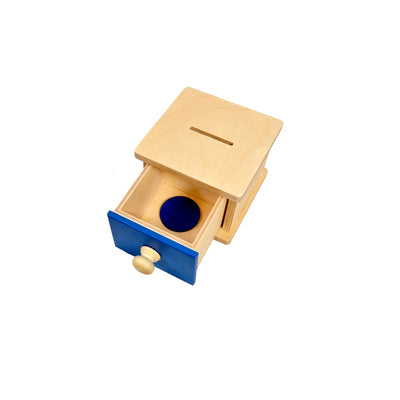
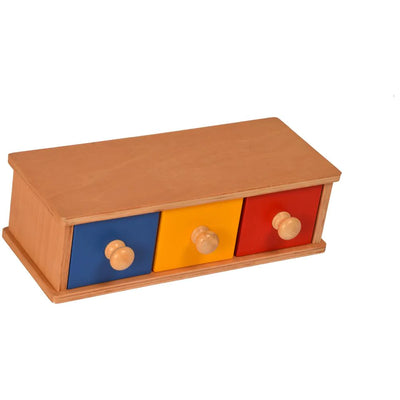
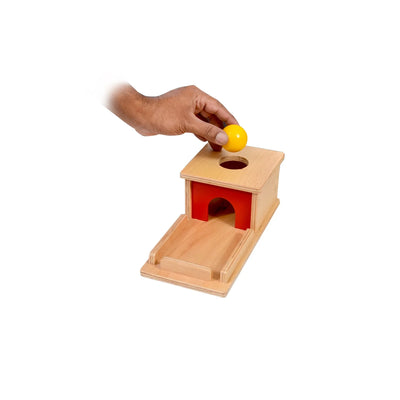
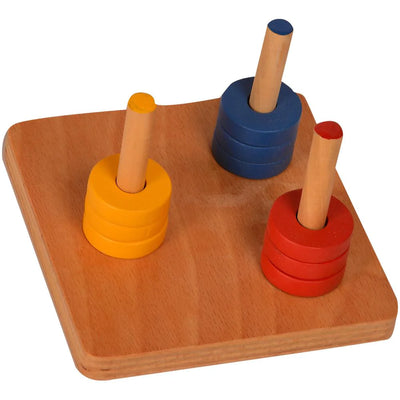
Child development experts agree that providing a rich sensory environment is paramount. Maria Montessori emphasized that children learn through their senses. You can support your baby's auditory development by talking to them, singing lullabies, and offering simple sound-producing objects like rattles. These experiences don't just entertain; they build crucial neural pathways. Explore our collection of Montessori educational toys designed to stimulate all senses naturally.
Montessori Individual Development: Nurturing Your Child's Own Pace
At SkilloToys, we deeply believe in Maria Montessori's philosophy: follow the child. This means observing your baby keenly to understand their unique interests, strengths, and developmental stage, rather than imposing a predefined schedule. If your 9-month-old, for instance, is more fascinated with stacking soft blocks than crawling, it indicates a strong emerging fine motor skill and cognitive focus.
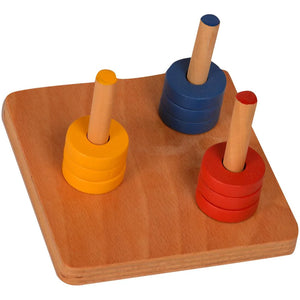
In many Indian households, grandmothers often instinctively practice a version of this, allowing babies to play freely and explore their surroundings at their own pace. This approach helps parents avoid the common anxiety of milestone comparison. Instead of worrying if your baby isn't walking by a certain month, you can celebrate their concentration while manipulating a simple wooden object or their early attempts at communication.
Embracing Your Baby's Unique Blueprint: Practical Steps for Indian Homes
How can you truly embrace your baby's unique growth patterns? Start with daily, intentional observation. Perhaps you notice your 6-month-old in Bengaluru is mesmerized by patterns on a sari or intently listening to the azaan. These are not just fleeting moments; they are indicators of their developing sensory preferences and cognitive processing. Maintain a mental or even physical journal of these small, unique discoveries.
Offer a prepared environment where your baby can explore safely and independently. This doesn't require elaborate setups; it means decluttering a corner, providing age-appropriate, safe materials like Montessori grasping toys, and allowing them freedom of movement. Lean on the support of your joint family; grandparents can be invaluable in observing and engaging with the baby's unique play, often with traditional wisdom that aligns beautifully with Montessori principles.
The Enduring Message: Every Child's First Year is Their Own Story
The ancient Neanderthal baby's unexpected growth reminds us that individuality is etched into the very fabric of human development. Your baby's first year is a period of incredible, rapid change, and every chuckle, every grasp, every roll, and every gurgle is a unique chapter in their unfolding story.
By shifting from a checklist mentality to one of curious observation, Indian parents can foster a deeper connection with their child and provide a nurturing environment that truly supports their individual brilliance. Trust in your baby's innate drive to learn and grow, and equip them with tools that encourage this natural development. Discover thoughtfully designed Montessori educational materials for your baby's first year at SkilloToys, fostering their unique journey every step of the way.