Educational Toys: Boost Baby Brain & Motor Skills (0-12 Months)
Educational toys significantly drive a baby's brain and motor skill development by providing sensory stimulation, encouraging exploration, and fostering crucial neural connections during the critical first year. These carefully designed playthings support cognitive growth, enhance fine and gross motor coordination, and build foundational learning skills essential for a child's future.
For new parents and expecting families across India, especially in bustling cities like Bengaluru, ensuring the best start for your little one is a priority. Understanding how play shapes early development can transform everyday moments into powerful learning opportunities, setting the stage for lifelong curiosity and growth.
Educational toys are purposefully designed playthings that stimulate a child's cognitive, physical, social, and emotional development. This matters immensely because early stimulation builds vital neural pathways, laying the groundwork for lifelong learning. Indian parents can thoughtfully select age-appropriate toys to enrich their baby's environment and foster holistic growth.
The Critical First Year: Brain Growth and Milestones (0-12 Months)
The first year of life is a period of astonishing development, where a baby's brain grows faster than at any other time. Research shows that a baby's brain nearly doubles in size during these initial twelve months, forming over a million new neural connections every second. This rapid expansion lays the blueprint for all future learning and skill acquisition.
During this phase, infants achieve remarkable milestones, from tracking objects with their eyes and reaching out to grasping and eventually sitting, crawling, and perhaps even taking their first steps. In many Indian homes, surrounded by joint families, these milestones are celebrated as collective joys, with grandparents often eager to participate in and encourage the baby's progress.
Creating an environment that supports this innate drive to learn is paramount. Child development experts agree that a stimulating, responsive environment, rich with opportunities for exploration, is crucial. This aligns with global initiatives like UNICEF's focus on early childhood development, underscoring the universal importance of nurturing young minds from birth.
How Educational Toys Nurture Cognitive Development
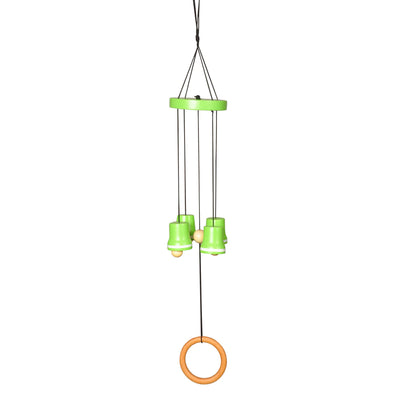
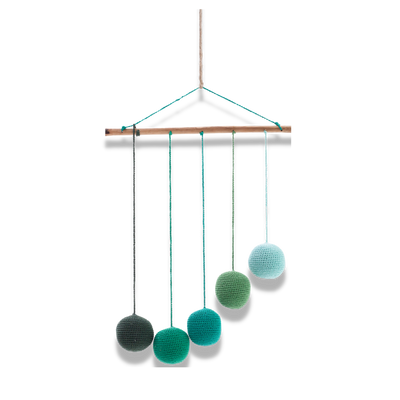
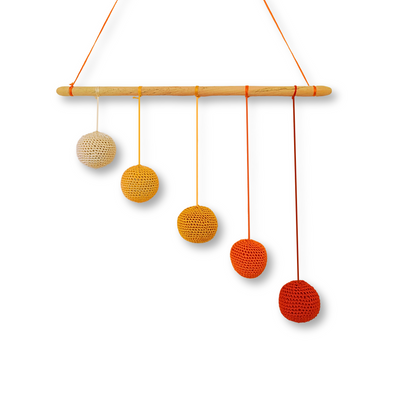
Cognitive development in infants refers to how they learn to think, understand, and make sense of the world around them. Educational toys are specifically designed to stimulate these budding cognitive skills. For instance, observing a colorful mobile encourages visual tracking and focus, while grasping a rattle helps a baby understand cause and effect.
As babies grow, toys like soft blocks introduce early problem-solving skills as they attempt to stack or knock them down. This engagement builds crucial neural pathways for memory, attention, and logical reasoning. These simple interactions lay the foundation for more complex learning later, helping your baby understand object permanence – the idea that objects still exist even when they can't be seen.
Montessori-inspired materials, like simple grasping toys or discovery baskets with varied textures, offer rich sensory experiences that are vital for early cognitive growth. Such deliberate play fosters independent thinking and curiosity, traits highly valued in Indian educational systems as children prepare for school.
Boosting Infant Motor Skills with Purposeful Play
Motor skills are fundamental for a baby's physical interaction with their environment, developing alongside their cognitive abilities. Educational toys play a pivotal role in refining both fine motor skills, which involve small muscle movements, and gross motor skills, concerning larger muscle groups.
Toys that encourage reaching, grasping, and manipulating objects, such as textured balls or linkable rings, strengthen a baby’s hand-eye coordination and pincer grasp. Activity gyms, with hanging toys, motivate babies to kick, push up, and eventually roll, supporting the development of their core strength and gross motor skills. As they approach their first birthday, toys that encourage pulling up and cruising, like push walkers, become invaluable.
Providing opportunities for unrestricted movement and interaction with age-appropriate Montessori learning materials empowers infants to practice and master these essential physical skills at their own pace. This self-directed exploration is crucial for building confidence and coordination.
Montessori Principles for 0-12 Month Play
Maria Montessori's philosophy profoundly emphasizes creating a "prepared environment" where children can learn through self-directed activity. For infants aged 0-12 months, this translates into offering simple, natural, and purposeful educational toys that align with their developmental stages, rather than overwhelming them with overstimulation.
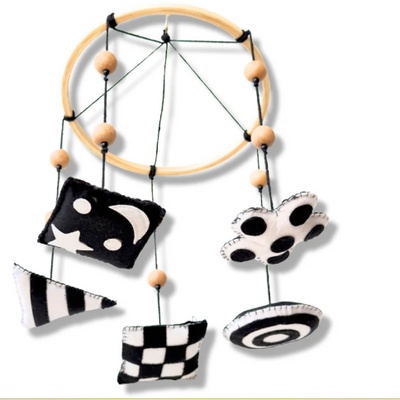
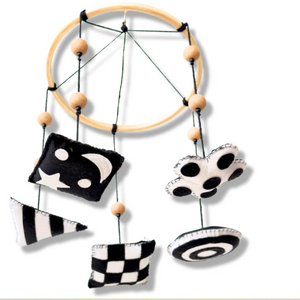
Montessori toys for this age group focus on sensorial experiences, promoting concentration and independent exploration. Examples include high-contrast mobiles for newborns, rattles that provide auditory feedback, and object permanence boxes for older infants learning about cause and effect. These materials are designed to isolate a single concept or skill, allowing the baby to focus and master it.
In Indian homes, where space might be shared, selecting a few high-quality, open-ended Montessori toys can be more beneficial than numerous battery-operated gadgets. This approach respects the child's natural developmental pace and fosters a genuine love for learning from the very beginning, echoing the spirit of "Beti Bachao, Beti Padhao" by prioritizing the girl child's holistic development from infancy.
Choosing the Right First Year Learning Toys for Your Child
Selecting the best first year learning toys for your baby involves considering safety, age-appropriateness, and developmental benefit. Always opt for non-toxic materials, ensuring there are no small, detachable parts that could pose a choking hazard. Toys made from natural wood or organic fabrics are often preferred for their tactile qualities and durability.
Focus on toys that encourage interaction and open-ended play rather than simply entertaining passively. Look for items that support milestones your baby is currently working on or is about to achieve. This thoughtful selection allows parents to gently guide their child's development without unnecessary pressure, a common concern among Indian parents anxious about future academic success.
Ultimately, the most effective educational toy is one that sparks your baby's curiosity and provides opportunities for active engagement. Observe your child's interests and developmental stage to make informed choices that enrich their play and learning journey during this pivotal first year.
- Educational toys are fundamental for fostering a baby's rapid brain growth and motor skill development in the first 12 months.
- A baby's brain forms over a million new neural connections per second during the first year, making early stimulation critical.
- Montessori principles advocate for simple, natural, and purposeful materials that support self-directed learning and concentration.
- Carefully chosen toys enhance cognitive skills like object permanence and problem-solving, and motor skills like grasping and crawling.
- Providing age-appropriate, safe, and open-ended educational toys contributes significantly to a child's holistic development and future learning readiness.
At what age should I introduce educational toys to my baby?
You can introduce educational toys from birth. Newborns benefit from high-contrast mobiles and soft rattles that stimulate their visual and auditory senses, encouraging early sensory exploration and focus.
How do I choose safe educational toys for a baby under one year?
Prioritize toys made from non-toxic materials, free from small, detachable parts that could be choking hazards. Look for durable, age-appropriate items with smooth finishes, preferably from natural materials like wood or organic fabric.
What is the difference between regular toys and educational toys for infants?
Regular toys primarily entertain, while educational toys are specifically designed with a developmental purpose to stimulate specific cognitive, motor, or sensory skills. Educational toys often encourage active engagement, problem-solving, and independent exploration.
How many educational toys does a baby need?
Babies do not need many toys; a few high-quality, open-ended educational toys are more beneficial than a large quantity of stimulating ones. The focus should be on rotation and offering variety that matches their developmental stage.
Can educational toys help with specific milestones like crawling or walking?
Yes, educational toys can significantly support milestone achievement. For instance, activity mats encourage rolling, soft balls prompt reaching and crawling, and sturdy push-walkers aid in standing and early walking attempts by providing motivation and support.
As new parents in India, the journey of your baby's first year is filled with wonder and rapid development. By understanding the profound impact of educational toys, you are not just providing entertainment, but actively participating in shaping your child's brain architecture and motor capabilities.
Embrace the power of purposeful play, observe your little one's burgeoning interests, and select toys that truly support their developmental journey. SkilloToys.com is here to help you discover Montessori-inspired educational materials that empower your baby to explore, learn, and grow confidently.