Educational Toys: Essential for Baby's Holistic Development
For new parents in India, the journey of watching your little one grow during their first year is filled with wonder and a few anxious moments. Understanding the role of educational toys is paramount, as they are not just playthings but crucial tools that support a baby's rapid physical, cognitive, social, and emotional growth during their critical 0-12 months. Research consistently shows that purposeful play with the right educational toys significantly contributes to foundational development, preparing your baby for future learning and milestones.
Educational toys are specifically designed to stimulate learning and development through play, rather than just providing entertainment. This matters immensely because a baby's brain develops at an astonishing rate in the first year, forming trillions of neural connections. Indian parents can leverage these toys to create an enriching environment that supports every facet of their baby's early growth, turning everyday moments into powerful learning opportunities.
Why Every Indian Baby Needs Educational Toys for Holistic Growth
Child development experts agree that a holistic approach to early childhood development considers the interconnectedness of all growth areas. For infants aged 0-12 months, this includes cognitive, physical, social-emotional, and sensory development. Educational toys are uniquely positioned to address these diverse needs simultaneously, providing a comprehensive growth stimulus.
In an Indian home, where often grandparents and other family members play an active role, educational toys facilitate shared learning experiences. They can become conversation starters and bonding tools, strengthening family connections while enriching the baby's developmental journey. This collaborative approach to early learning is invaluable.
Stimulating Cognitive Development: Early Brain Builders
A baby’s first year is a period of incredible cognitive leaps, from understanding cause and effect to developing early memory. Sensory play items and simple problem-solving toys are essential here. For instance, rattles help babies grasp the concept of cause and effect – 'I shake, it makes noise' – a fundamental cognitive understanding.
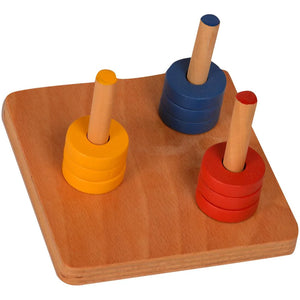
As babies grow, stacking rings or simple shape sorters, though often associated with toddlers, can be introduced in simplified forms for older infants (9-12 months) to encourage early logic and spatial reasoning. Studies indicate that early exposure to varied stimuli enhances neural pathways, which are vital for language acquisition and problem-solving skills later on. Choosing appropriate baby educational toys ensures these crucial brain-building activities occur naturally.
Fostering Motor Skills: From Grasp to Crawl
Developing both fine and gross motor skills is a cornerstone of infant development. Fine motor skills involve small muscle movements, like grasping and pinching, while gross motor skills involve larger movements, such as rolling, sitting, and crawling. Educational toys provide the perfect medium for babies to practice and refine these essential physical abilities.
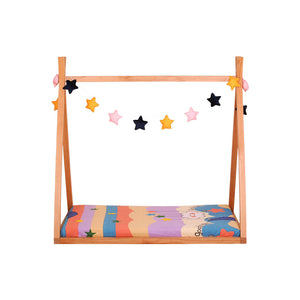
Soft blocks and textured balls encourage grasping, holding, and transferring objects from hand to hand. Activity mats with hanging toys promote reaching and kicking, strengthening core muscles necessary for sitting and crawling. Research shows that engaging in these motor activities from an early age helps in developing coordination and balance, setting a strong physical foundation.
Encouraging Sensory Exploration: A World of Discovery
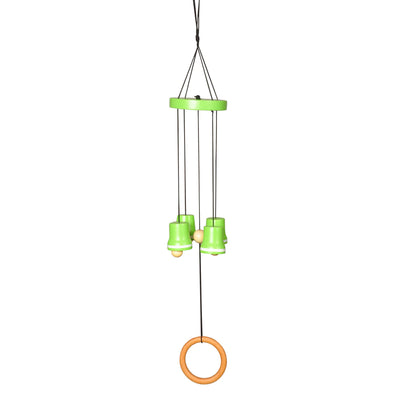
Infants learn about their world primarily through their senses. Taste, touch, sight, sound, and smell are their primary tools for gathering information. Educational toys are often designed with varied textures, vibrant colours, and different sounds to engage and develop these senses.
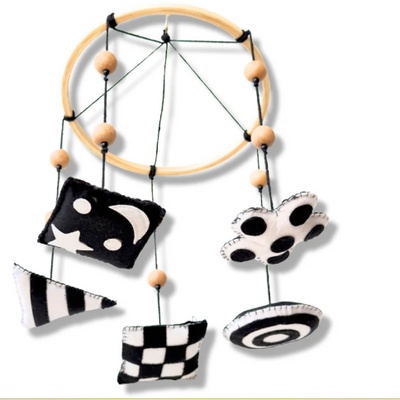
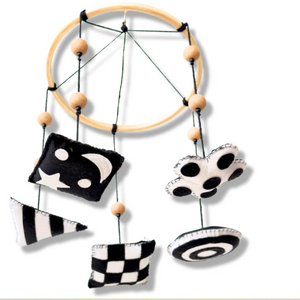
From high-contrast black and white books for newborns to textured fabric books and musical toys for older infants, sensory exploration is key. Providing a rich sensory environment helps babies make sense of their surroundings, improving their observational skills and fostering curiosity. This hands-on, multi-sensory engagement is crucial for comprehensive brain development.
Montessori Principles for 0-12 Months: Purposeful Play
Maria Montessori's philosophy, deeply rooted in observing children's natural learning tendencies, offers invaluable guidance for selecting educational toys. For the 0-12 month age group, Montessori principles emphasize simplicity, natural materials, and purposeful design that supports specific developmental needs. These aren't just toys; they are learning materials.
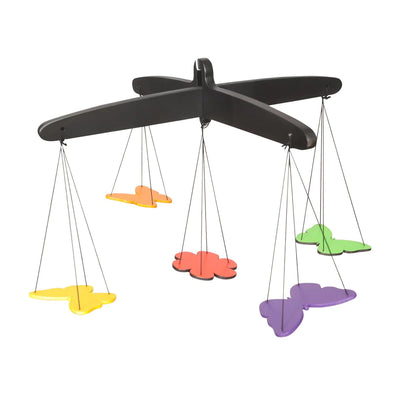
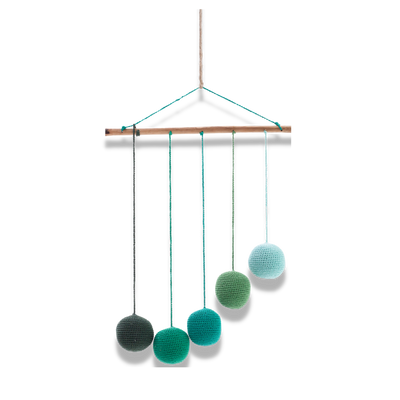
Montessori toys for babies, such as grasping rattles, interlocking discs, or wooden mobiles, are designed to be aesthetically pleasing and stimulating without being overwhelming. They allow the child to explore independently, fostering concentration and a sense of accomplishment. This approach is gaining significant traction among Indian parents who seek mindful and effective early learning tools for their children, often available at stores like SkilloToys.com.
Choosing the Right Baby Educational Toys in India
When selecting baby educational toys, Indian parents should prioritize safety, durability, and age-appropriateness. Look for toys made from non-toxic, natural materials that can withstand rigorous play. Consider the toy's purpose: Does it encourage exploration? Does it challenge a specific skill? Does it offer open-ended play?
In many Indian joint families, grandparents often take joy in gifting toys. Guiding them towards educational options ensures that these gifts contribute meaningfully to the baby's development. Think about toys that can grow with your child, offering different learning opportunities as they reach new milestones. For instance, simple stacking toys can evolve from grasping objects to understanding order and size.
The Importance of Educational Toys for Babies' Social-Emotional Growth
Beyond cognitive and physical skills, educational toys play a vital role in a baby's social and emotional development. Through interaction with toys, babies begin to understand boundaries, develop patience, and experience the joy of accomplishment. Simple peek-a-boo cloths can introduce concepts of object permanence and social interaction.
Parents and caregivers interacting with babies during play, by describing actions or sounds, further enhances their language acquisition and emotional bonding. This shared experience of discovery builds trust and security, crucial elements for healthy social-emotional well-being. Ensuring access to varied educational toys means providing rich opportunities for this critical growth.
Long-Term Benefits of Early Educational Play
The investment in educational toys during a baby's first year yields significant long-term benefits. A strong foundation in cognitive, motor, sensory, and social-emotional skills translates into better readiness for preschool, improved problem-solving abilities, and enhanced creativity. Children who engage in purposeful play tend to be more curious and adaptable learners.
For Indian children, where academic pressure can start early, providing a playful yet structured learning environment from infancy can foster a love for learning, rather than associating it solely with formal schooling. This early exposure helps build resilience and confidence, crucial for navigating future academic and life challenges.
- Educational toys are fundamental for a baby's holistic development across cognitive, physical, social-emotional, and sensory domains.
- The first 12 months are a critical period for brain development, with educational toys stimulating neural connections vital for future learning.
- Montessori principles emphasize simple, natural, and purposeful toys that support a child's independent exploration and concentration.
- Engaging with varied educational toys helps babies develop essential fine and gross motor skills, crucial for coordination and physical milestones.
- Providing a rich sensory environment through educational toys enhances observational skills and curiosity, improving a baby's understanding of their world.
- Choosing age-appropriate, safe, and durable educational toys, often with input from family, ensures meaningful contributions to a baby's growth journey.
When should I start introducing educational toys to my baby?
You can introduce age-appropriate educational toys from birth. Simple items like high-contrast mobiles for newborns and soft rattles for infants around 3-4 months stimulate early senses and curiosity, laying foundational learning pathways.
How do educational toys support a baby's brain development?
Educational toys engage multiple senses and encourage problem-solving, which actively stimulates neural connections in a baby's developing brain. Activities like stacking blocks or exploring textures enhance cognitive functions, memory, and spatial awareness.
Are Montessori toys considered educational for babies 0-12 months?
Yes, Montessori toys are inherently educational, especially for babies 0-12 months. They are designed based on principles of self-directed, hands-on learning, offering purposeful materials that cater to specific developmental stages and foster independence.
What is the difference between regular toys and educational toys for infants?
The primary difference lies in purpose and design. Regular toys often offer entertainment, while educational toys are specifically crafted to stimulate specific skills, encourage exploration, and facilitate learning outcomes, supporting developmental milestones rather than just momentary fun.
How can I choose the right educational toys for my baby in an Indian household?
Consider toys that are culturally relevant, safe, and durable, allowing for interaction with joint family members. Look for items that support sensory exploration, fine and gross motor skills, and align with your baby's current developmental stage, rather than just their age.