Educational Toys for Babies 0-12 Months: What Makes Them Truly Educational?
Truly educational toys for babies aged 0-12 months are not just colourful distractions; they are purposeful tools designed to facilitate natural development by engaging a baby's senses, encouraging exploration, and fostering independence. Child development experts agree that for infants, the most impactful toys are those that align with their developmental stage, allowing them to actively discover the world around them rather than passively receiving entertainment. This approach helps lay a strong foundation for future learning.
The Ministry of Women and Child Development's ongoing focus on holistic nurturing, as highlighted by initiatives like World Breastfeeding Week, underscores the comprehensive care infants need. This extends beyond nutrition and comfort to providing stimulating, appropriate learning environments, where thoughtfully chosen educational toys play a pivotal role.
What Makes a Toy Educational for Babies (0-12 Months)?
Educational toys for babies are items specifically designed to stimulate an infant's sensory, motor, and cognitive development through active engagement and exploration. This matters because the first year is a period of rapid brain growth, forming crucial neural connections. Indian parents can thoughtfully select toys that support their child's innate drive to learn and understand their environment.
Core Principles of Truly Educational Baby Development Toys (0-12 Months)
Choosing toys for your little one can feel like navigating a maze, especially with so many options promising developmental benefits. Research consistently shows that not all toys are created equal when it comes to fostering genuine learning. Here are the foundational principles that define a truly educational toy for infants:
1. Simplicity Encourages Imagination and Active Learning
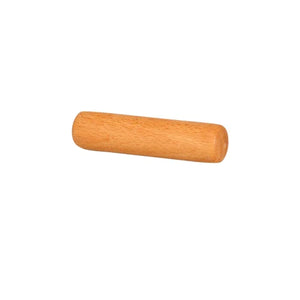
The most profoundly educational toys for infants are often the simplest. Instead of battery-operated gadgets that do everything for the child, a plain wooden rattle or a set of nesting cups encourages the baby to do the imagining and the problem-solving. This active engagement strengthens neural pathways and fosters concentration, a key Montessori principle. For a dadi or nani, a simple cloth doll or a string of colourful beads might seem traditional, but these offer immense open-ended play.
2. Safety and Quality are Non-Negotiable
For babies who explore primarily with their mouths, safety is paramount. Educational toys must be made from non-toxic materials, be free of small parts that could pose a choking hazard, and be durable enough to withstand chewing and dropping. The American Academy of Pediatrics (AAP) consistently emphasizes strict safety standards for infant products. Opting for natural, non-splintering wood or food-grade silicone toys provides both safety and a superior sensory experience.
3. Fosters Sensory Engagement and Exploration
Babies learn through their senses. An educational toy stimulates sight, sound, touch, and even taste (safely, of course). Think about a baby in a joint family home in Bengaluru, exploring a fabric book with different textures or a smooth wooden grasping toy. These items allow them to understand concepts like rough/smooth, hard/soft, and light/heavy through direct interaction, building a rich sensory database.
4. Supports Developmental Milestones Without Overstimulation
A truly educational toy meets the baby where they are developmentally and gently challenges them to the next stage. It doesn't overwhelm them with too many lights, sounds, or functions. Neurological research indicates that overstimulation can hinder a baby's ability to focus and process information, leading to disengagement rather than learning. A focused, calm play experience is far more beneficial.
Matching Montessori Educational Toys to Baby Development Stages (0-12 Months)
Understanding what to offer your baby at each stage ensures their play is purposeful and enriching. Here's a guide to matching baby development toys to their rapidly changing needs:
0-3 Months: Visual Tracking and Sensory Discovery
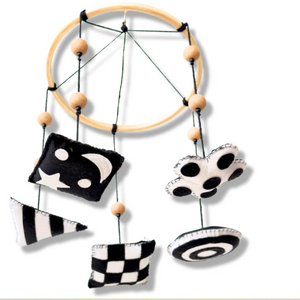
In the first quarter, babies are captivated by high-contrast colours and gentle sounds. Mobiles designed for visual tracking, soft rattles that fit tiny hands, and crinkly fabric books are ideal. These toys help develop eye muscles, introduce cause-and-effect (shaking a rattle makes a sound), and engage their nascent auditory senses. Simple wooden rattles are perfect here.
3-6 Months: Grasping, Mouthing, and Intentional Movement
As babies gain more control over their hands, they reach, grasp, and mouth everything. Toys like silicone teethers, soft fabric balls, and wooden clutching toys are excellent. They support fine motor development, oral exploration, and introduce different textures. The joyful kick of a baby at a hanging toy or the concentrated mouthing of a teether shows deep engagement.
6-9 Months: Object Permanence and Early Motor Skills
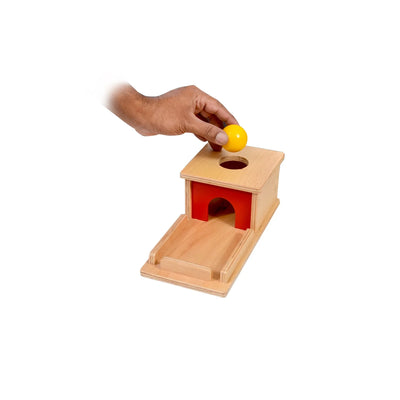
This is a period of burgeoning curiosity. Babies are starting to sit up, crawl, and understand object permanence. Toys that disappear and reappear, like simple peek-a-boo scarves or ball trackers, are fascinating. Soft stacking blocks, simple cause-and-effect toys (like a button that makes a sound), and sensory balls promote problem-solving and gross motor skills as they reach and move.
9-12 Months: Fine Motor Refinement and Problem Solving
As babies approach their first birthday, they refine their pincer grasp and delight in fitting things together. Stacking cups, simple shape sorters with only one or two shapes, and push-and-pull toys are highly engaging. These activities hone fine motor skills, spatial reasoning, and early problem-solving. Observing a baby repeatedly knocking down a tower of stacking cups is watching intense learning unfold.
The Montessori Edge: Why Montessori Educational Toys 0-12 Months Excel
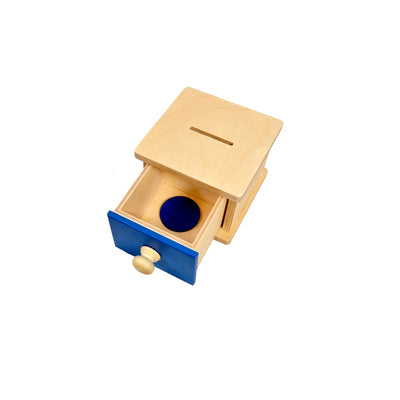
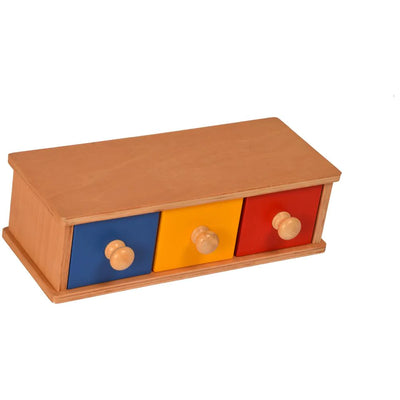
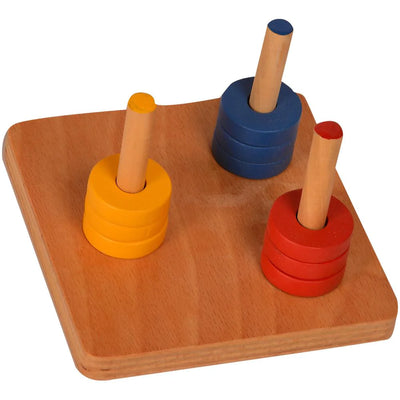
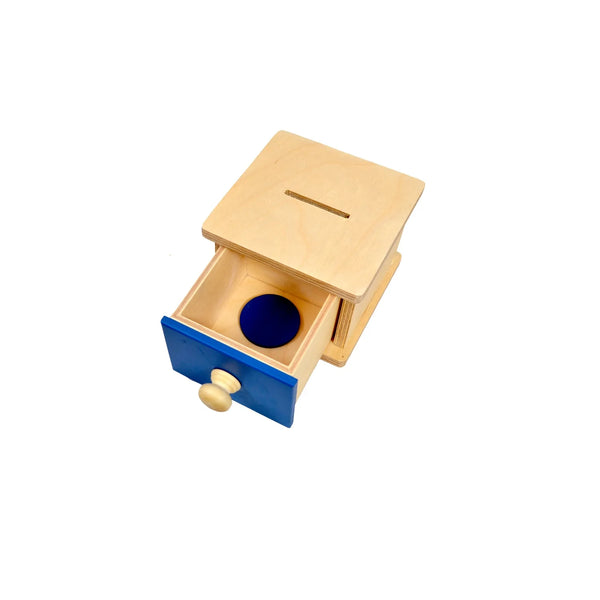
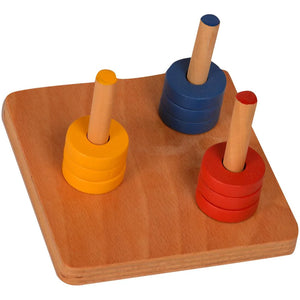
Maria Montessori, a pioneering educator, observed that children possess an innate drive to learn. Her philosophy underpins the design of truly educational toys, particularly for infants. Montessori educational toys 0-12 months are characterized by their simplicity, single purpose, natural materials, and ability to allow a child to self-correct and discover. They are not about entertaining but empowering the child to learn independently.
These toys often isolate one concept, like shape, sound, or texture, preventing overstimulation and promoting deep concentration. For an Indian family, incorporating these principles can transform everyday play into profound learning, whether it's a child exploring the varied sounds of kitchen utensils (safely!) or engaging with purpose-built Montessori materials. This approach nurtures focus and an intrinsic love for learning from the very start.
Choosing Educational Toys for Infants: Practical Tips for Indian Parents
As you stand in front of a shelf brimming with options, remember these practical tips for choosing educational toys for infants. Focus on quality over quantity. A few well-chosen toys that foster genuine interaction are far more valuable than a room full of flashy, passive distractions. Consider the cultural context of your home; can the toy be enjoyed in a small urban apartment or easily shared with cousins during a festival visit?
Always prioritize toys that encourage active participation from your baby. Look for items that invite grasping, mouthing, shaking, and manipulating. If the toy does all the work, your baby isn't doing the learning. Finally, remember that your presence and interaction are the most educational aspects of play. A simple wooden block becomes a castle, a car, or a telephone when a parent or grandparent joins in the imaginative journey.