Wooden Puzzles for Babies: 0-12 Months Montessori Guide
For anxious new parents in India, selecting the right educational toys for their little one can be a significant decision, especially when it comes to early development. When considering wooden puzzles for babies, Montessori principles offer a clear path to fostering crucial skills from 0-12 months. These natural, tactile tools are instrumental in boosting a baby's cognitive and motor development.
Montessori puzzles for babies are natural, wooden learning tools designed to isolate a single skill, allowing infants to concentrate and master specific developmental tasks independently. This approach matters because it respects the child's innate drive to learn, building confidence and cognitive abilities from a very young age. Indian parents can use these puzzles to support their child's self-directed exploration and skill acquisition within a prepared home environment, often with the loving guidance of grandparents.
The First 6 Months: Sensory Exploration with Montessori Puzzles for Infants
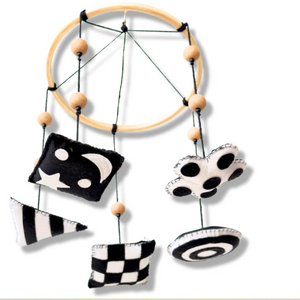
In the initial months, a baby's world is primarily sensory. From birth to around 6 months, their exploration revolves around touch, sight, and sound. While traditional puzzles might seem too advanced, this period is perfect for introducing simple wooden elements that lay the groundwork for future puzzle play. Child development experts agree that exposure to varied textures and shapes is vital during this stage.
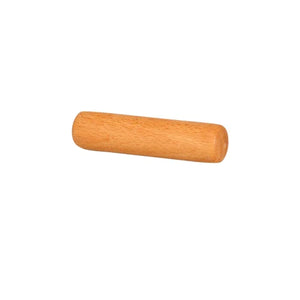
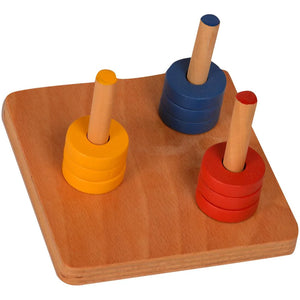
Consider chunky, smooth wooden grasping toys that are safe for mouthing. These aren't puzzles in the conventional sense, but they are the infant's first interaction with manipulable wooden objects. A baby like baby Rohan in Bengaluru, at 3 months, might simply hold, shake, and mouth a wooden rattle or a set of interlocking wooden discs. This develops early grip strength, hand-eye coordination, and an understanding of cause and effect, essential precursors to more complex problem-solving. Research indicates that early sensory stimulation significantly impacts brain development, a fact highlighted by the UNICEF's continuous efforts to improve child welfare in India.
6-9 Months: Developing Grasp and Hand-Eye Coordination with Baby Puzzles 0-12 Months
As babies approach 6 months and beyond, their fine motor skills rapidly advance. They begin to intentionally reach, grasp, and transfer objects between hands. This is the ideal time to introduce the first true baby puzzles 0-12 months – those with large, single pieces and distinct knobs. Maria Montessori herself emphasized the importance of materials that isolate difficulties, allowing the child to focus on one skill at a time.
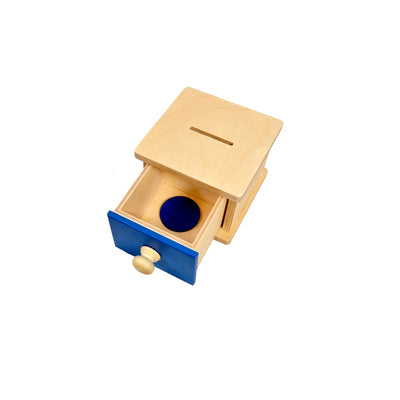
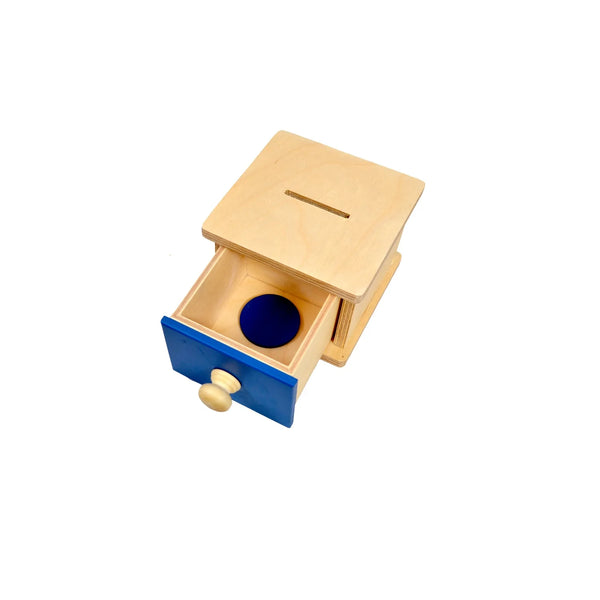
Look for single-shape knobbed puzzles, perhaps a circle or a square, with a prominent knob that encourages the development of the pincer grasp. This specific grasp, where the thumb and forefinger work together, is a crucial developmental milestone. Studies show that engaging in such activities strengthens the muscles needed for writing and self-feeding later on. A baby at 7 months, like little Diya in Delhi, will find immense satisfaction in repeatedly removing and replacing a single wooden circle, refining her coordination with each attempt.
9-12 Months: Early Problem Solving with Developmental Puzzles for Babies
In the final quarter of their first year, babies become budding problem-solvers. They are actively exploring object permanence and cause-and-effect relationships. This stage is perfect for introducing slightly more complex developmental puzzles for babies that still maintain Montessori principles of simplicity and self-correction.
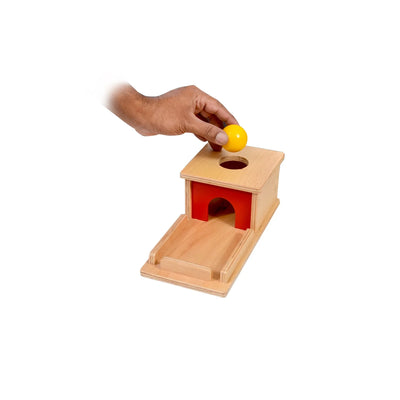
Wooden shape sorters for babies are excellent choices here. Start with a sorter that has only one or two distinct shapes – perhaps a circle and a square – rather than a multitude. This prevents frustration and allows for focused learning. Watching a 10-month-old, like Arjun from a joint family in Pune, carefully rotate a square block until it slides into its matching slot is a testament to their developing spatial reasoning and persistence. The satisfaction of a successful fit, often met with delighted claps from family, reinforces their learning.
Choosing Safe Wooden Puzzles for Babies: A Priority for Indian Parents
Safety is non-negotiable, especially when selecting toys for infants who explore with their mouths. When choosing any safe wooden puzzles for babies, Indian parents must prioritise specific features. The Centers for Disease Control and Prevention (CDC) in India consistently advocates for safe environments and products for children, reinforcing the need for vigilance.
Always ensure the wood is smoothly sanded, free of splinters, and finished with non-toxic, child-safe paints or sealants. All puzzle pieces, especially for the 0-12 month age group, must be large enough to prevent choking hazards – a general rule of thumb is larger than the baby's mouth. Regularly inspect puzzles for wear and tear, and discard any that show signs of breakage. This diligent approach ensures that the joy of play remains safe and worry-free.
Integrating Puzzles into Indian Homes: A Prepared Environment
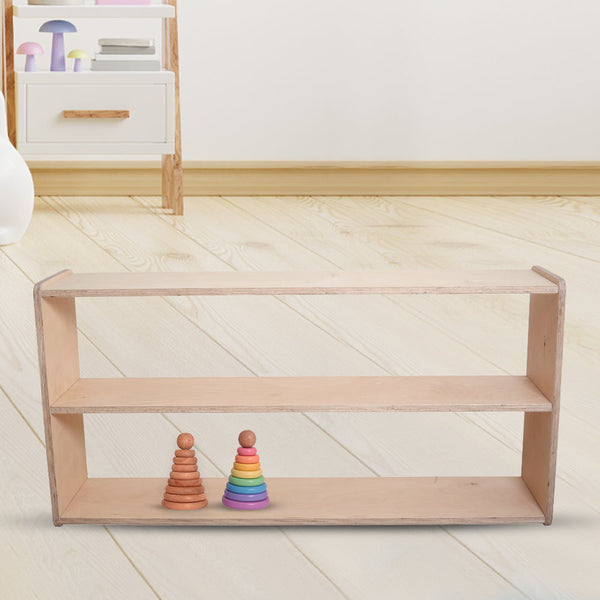
The Montessori concept of a 'prepared environment' is key, even in the bustling context of an Indian home. This doesn't mean a perfect, quiet room, but rather intentionally setting up a small, accessible space where your baby can engage with their puzzles independently. For baby Sana in Hyderabad, her small mat in the living room, near her dadi, might be her 'work station' for puzzle play.
Offer puzzles one at a time to avoid overwhelming your baby. Observe their concentration – a Montessori insight often overlooked by new parents is that the child's deep focus is the true sign of engagement and learning. The simplicity of wooden puzzles encourages the child's own mental effort, rather than the toy doing all the "entertaining." This fosters stronger problem-solving skills compared to overstimulating electronic toys. When your baby loses interest, put the puzzle away and bring out another, respecting their natural learning rhythms.
This approach not only supports your baby's development but also integrates seamlessly into the supportive fabric of an Indian joint family, where multiple generations often participate in nurturing a child's growth and celebrating every small milestone, from a first successful puzzle fit to their first steps.