Educational Toys & Sensory Play: Nurturing Baby's Senses (0-12m)
Sensory play, often facilitated by thoughtfully chosen educational toys, is the cornerstone of early infant development, especially for babies aged 0-12 months. Child development experts agree that engaging a baby's senses through play builds crucial neural pathways, laying the foundation for cognitive and physical milestones. This foundational learning, celebrated by Montessori educators, helps Indian parents navigate their baby's first year with confidence and informed choices, supporting every milestone from gurgles to first steps.
As the Ministry of Women and Child Development highlights the importance of comprehensive infant care, like observing World Breastfeeding Week, understanding sensory development becomes even more critical. Research shows that a rich sensory environment during infancy impacts everything from language acquisition to emotional regulation, echoing the surprising growth patterns observed in ancient findings, such as the 50,000-year-old Neanderthal baby. Your baby's brain is rapidly forming, and sensory experiences are its primary fuel.
What is Sensory Play?
Sensory play is any activity that engages a baby's senses—sight, sound, touch, smell, taste, balance (vestibular), and body awareness (proprioception). This matters because these experiences stimulate neural connections, critical for a baby's developing brain. Indian parents can proactively support this by offering diverse, safe environments and appropriate educational toys.
The Science of Sensation: How Educational Toys Build Brain Pathways
Research indicates that during the first year, a baby's brain forms over a million new neural connections every second. These connections are primarily forged through sensory input. Maria Montessori herself observed that children learn best by doing, touching, seeing, and experiencing. Sensory play for babies isn't just fun; it's vital neurological work, building the architecture for future learning, problem-solving, and even social-emotional intelligence.
Consider the seemingly simple act of a baby grasping a wooden rattle. It's not just play; it's a complex neurological exercise. The sensation of the wood, the sound it makes, the visual tracking of its movement, and the effort to hold it all contribute to motor skill development, object permanence, and cause-and-effect understanding. These are the building blocks for abstract thought, far more effective than early rote memorisation.
Sight: The World in Focus with Baby Sensory Toys
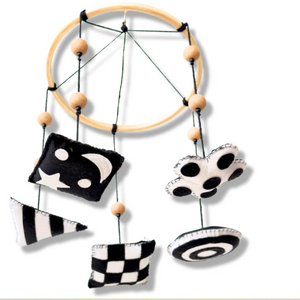
From birth, a baby's vision is developing rapidly, moving from fuzzy black-and-white to a full spectrum of colour and depth perception by 12 months. High-contrast patterns are essential for newborns. As they grow, they begin to track moving objects and develop hand-eye coordination.
Educational toys designed for visual stimulation include soft picture books with bold, simple illustrations and mobiles that gently sway above their cribs. Observing how a baby in a joint family will follow the movements of a dadi or a maasi across the room is a testament to their innate visual learning. Offering safe, colourful blocks encourages reaching and grasping, refining their visual motor skills.
Sound: Rhythms of Growth and Language Foundations
A baby's auditory system is well-developed even before birth. Post-birth, they quickly learn to distinguish voices, recognise music, and respond to various sounds. This period is crucial for developing phonological awareness, a precursor to language acquisition.
Montessori sensory activities often involve simple sound cylinders or rattles made from natural materials like wood or fabric, offering distinct, non-overstimulating auditory experiences. The familiar sounds of a mother humming a lullaby, the rhythmic chopping in an Indian kitchen, or the gentle clang of a temple bell all contribute to a baby's auditory development. Offer wooden rattles and shakers for exploring different tones and rhythms, encouraging them to track sounds and develop listening skills.
Touch & Texture: The Explorers' Hands
Touch is one of the earliest and most profound senses to develop, allowing babies to explore their environment and understand properties like hot/cold, soft/hard, and smooth/rough. Proprioception, the sense of body position, is also honed through touch and movement.
Offering a variety of textures, from a soft cotton cloth to a bumpy texture ball or a smooth wooden teether, provides rich tactile input. Many Indian traditions, like daily oil massages for babies, inherently provide immense proprioceptive benefits, promoting body awareness and a sense of calm. These hands-on experiences are invaluable for fine motor skill development and sensory integration.
Taste & Smell: Discovering the World Through Flavour and Aroma
While often linked, taste and smell work in tandem to help babies explore their world. From the comfort of breast milk or formula, babies gradually encounter new flavours and aromas as they start solids, typically around 6 months. This period is vital for expanding their palate and sensory memory.
Introduce new, single-ingredient purees safely, allowing them to experience distinct flavours. For smell, simple activities like letting them safely sniff a fresh fruit (like a mango or a banana) under supervision, or the aroma of a mild spice like cardamom from a distance, can stimulate their olfactory senses. Always ensure safety and avoid direct contact with strong or potentially irritating substances. These early exposures lay the groundwork for adventurous eating habits and a deeper connection to their environment.
Practical Steps for Parents: Nurturing Through Play
New parents in India, often balancing family traditions with modern parenting insights, can integrate sensory play seamlessly. Instead of complex setups, think about the natural sensory richness of your home. During World Breastfeeding Week, many discussions revolve around early bonding, and sensory play is a natural extension of this connection.
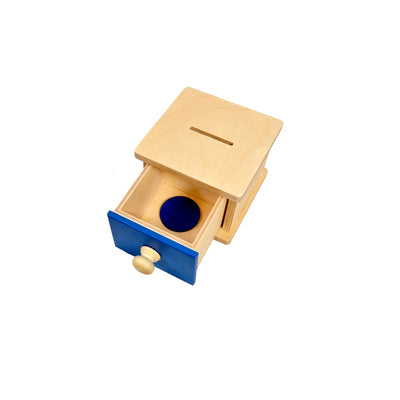
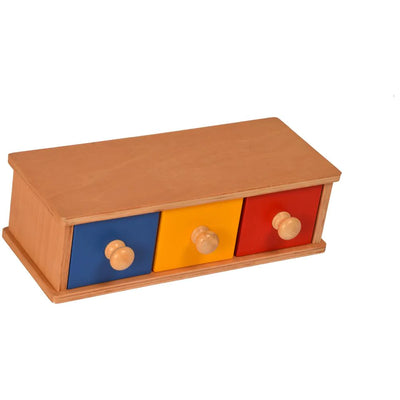
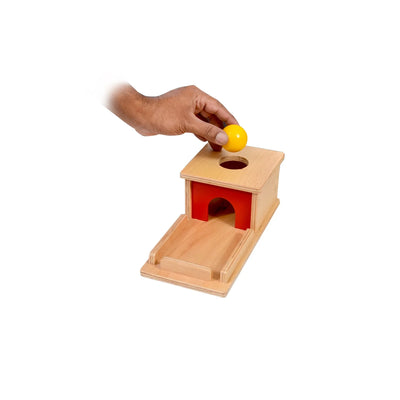
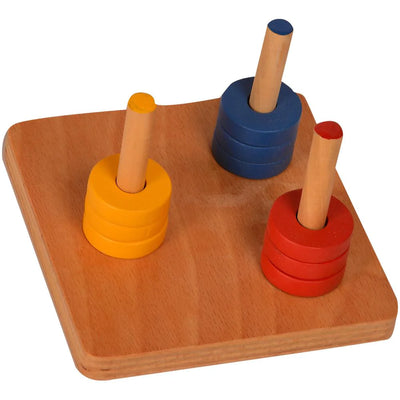
Encourage tummy time on different surfaces (a soft rug, a smooth mat). Let your baby safely explore simple household items like a metal spoon (for sound and reflection, under strict supervision), or crinkly paper (like a cleaned, dried snack wrapper). For a focused approach, SkilloToys offers a range of Montessori-inspired educational materials designed to provide age-appropriate sensory stimulation without overdoing it. Remember, the goal is thoughtful engagement, not constant entertainment.
The first year is a whirlwind of milestones, and providing a stimulating sensory environment is one of the most powerful ways to support your baby's development. By choosing purposeful activities and appropriate educational toys, you're not just playing; you're actively building the brilliant brain your child will rely on for a lifetime of learning and growth.