Educational Toys for Baby Milestones: 0-12 Month Guide
Selecting the right educational toys at each stage of your baby's development is crucial for fostering their natural growth and curiosity. This guide outlines how to align Montessori-inspired materials with key milestones from 0 to 12 months, ensuring your child receives the stimulation they need, right when they need it.
New parents in India, often surrounded by the advice of elders and well-meaning relatives, can find themselves overwhelmed by choices. This month-by-month approach helps ease that anxiety, providing clear, actionable guidance on enriching your baby's first year.
Educational toys are specifically designed to stimulate a child's cognitive, physical, and social development through play. This matters because thoughtful toy selection enhances learning, problem-solving skills, and creativity from an early age. Indian parents can empower their children's foundational learning journey by choosing age-appropriate, purposeful toys.
Understanding Early Baby Milestones
Research consistently shows that a baby's brain undergoes its most rapid development during the first year of life, forming millions of neural connections daily. Understanding these crucial developmental milestones allows parents to provide optimal support, ensuring their little one thrives in their home environment, whether in a bustling joint family or a quieter nuclear setting.
From reflexive movements to intentional grabs, each month brings new capabilities. Observing these shifts helps you introduce stimulating materials that challenge and engage your baby, rather than overwhelming them. Studies indicate that a supportive play environment directly correlates with enhanced cognitive and motor skill acquisition.
Toys for 0-3 Months: The Newborn's World
In these earliest months, a newborn’s world is primarily about sensory input: sight, sound, and touch. Babies are developing their visual tracking, focusing on high-contrast patterns, and reacting to gentle sounds. Their movements are largely reflexive, but they will begin to swat at objects.
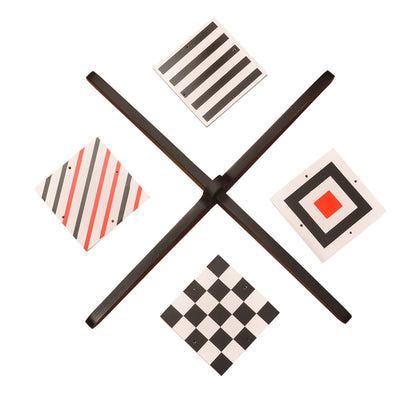
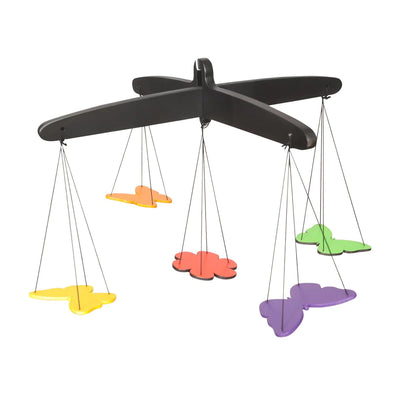
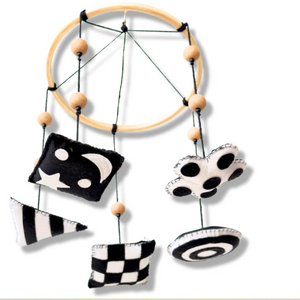
For this stage, simple, high-contrast black and white mobiles are excellent for visual stimulation. Soft, lightweight rattles that fit easily in a parent's hand for gentle shaking, or soft fabric books with bold patterns, are also ideal. Grandparents often gift adorable soft toys, which are perfect for gentle touch and comforting snuggles.
Toys for 3-6 Months: Discovering Hands & Sounds
As babies approach three to six months, their purposeful movements increase. They start to reach, grasp, and bring objects to their mouth for exploration. Tummy time becomes crucial, strengthening neck and core muscles, and they begin to track moving objects with more precision. Vocalizations also become more varied.
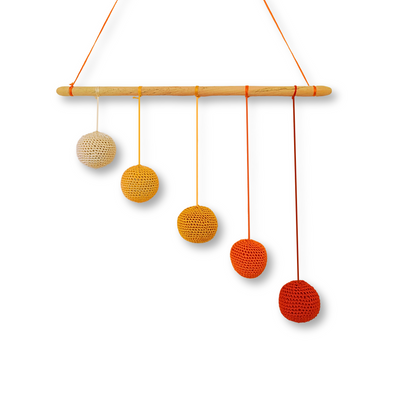
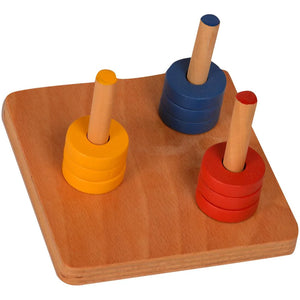
Excellent baby milestones toys for this period include teethers of various textures, fabric balls that are easy to grip, and simple wooden rattles that make soft sounds. Montessori grasping toys, such as interlocking discs or grasping beads, are perfect for developing fine motor skills and hand-eye coordination. These toys are often introduced during play sessions on a soft gadda or playmat, a common sight in Indian homes.
Toys for 6-9 Months: Exploring Movement & Object Permanence
Between six and nine months, babies are often sitting independently, beginning to crawl or scoot, and developing a better understanding of cause and effect. Object permanence, the understanding that an object still exists even when it cannot be seen, starts to develop, leading to games like peek-a-boo with family members.
Introduce stacking cups, nesting dolls, and simple shape sorters. An object permanence box is a classic Montessori material that perfectly supports this developmental leap. Activity cubes with various textures, buttons, and levers also encourage exploration and problem-solving. This is also when babies truly start engaging with their surroundings during family gatherings and festivals.
Toys for 9-12 Months: First Steps Towards Independence
The final quarter of the first year is marked by significant physical and cognitive growth. Babies are often pulling to stand, cruising, perhaps taking their first independent steps, and mastering the pincer grasp. They point to objects, babble with more intent, and show a clear understanding of simple instructions.
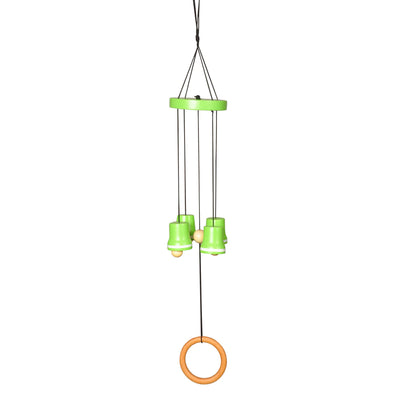
Toys that encourage mobility, such as sturdy push walkers, are excellent. Shape sorters with more complex shapes, chunky puzzles with large knobs, and simple musical instruments like drums or shakers are ideal. Busy boards also offer multiple activities to refine fine motor skills and problem-solving, preparing them for their first birthday celebrations and the world beyond.
Montessori Toys for Babies: A Holistic Approach
Child development experts, including Maria Montessori, advocated for purposeful play using simple, natural materials that foster concentration, independence, and a love for learning. Montessori toys for babies are designed to meet specific developmental needs, providing just enough challenge to engage without frustrating the child.
SkilloToys.com embraces this philosophy, offering a curated selection of materials that support a child's natural drive to learn and explore. These toys are not just for entertainment; they are tools for growth, helping children build confidence and master new skills at their own pace. From grasping to problem-solving, these materials guide development holistically.
As you navigate the joyous, sometimes overwhelming, journey of your baby's first year, remember that purposeful play is key. Providing age-appropriate montessori toys for babies supports their incredible growth, from those first tiny movements to their confident first steps. Just as India sustains progress in reducing child deaths, ensuring every child has access to developmental support aligns with the spirit of 'Beti Bachao, Beti Padhao' by empowering their early learning. Embrace these moments; they are fleeting and filled with discovery for both you and your little one.
- The first year of life is critical for brain development, making age-appropriate stimulation vital.
- Matching educational toys to specific baby milestones enhances learning and reduces parental anxiety.
- Montessori toys, with their simple design and natural materials, foster self-directed learning and independence.
- Studies indicate that early sensory and motor play builds foundational cognitive skills effectively.
- Offering a limited selection of purposeful toys at a time encourages deeper engagement and concentration in infants.
- Observing your baby's cues for readiness is the best guide for introducing new developmental materials.
Why are educational toys important for babies?
Educational toys are vital for babies as they stimulate crucial cognitive, motor, and sensory development from an early age. They provide opportunities for exploration and problem-solving, laying strong foundations for future learning and independent thought.
How do Montessori toys differ from regular toys for infants?
Montessori toys for infants are characterized by their simplicity, natural materials, and purposeful design, often isolating a single concept for learning. Unlike many regular toys, they encourage self-correction, independent exploration, and are grounded in observation of a child's developmental needs rather than just entertainment.
What are the signs my baby is ready for new toys?
Your baby is ready for new toys when they show signs of boredom with current ones, such as losing interest quickly or trying to manipulate them in new, more advanced ways. Observing them successfully master a skill or reaching for more complex interactions also indicates readiness for a new challenge.
Can babies be overstimulated by too many toys?
Yes, babies can absolutely be overstimulated by too many toys, leading to irritability, difficulty focusing, and overwhelm. Child development experts recommend offering a limited selection of age-appropriate toys at any given time to encourage deeper engagement and concentration.
Are screen time or electronic toys beneficial for 0-12 months?
Leading health organizations, including the American Academy of Pediatrics, strongly advise against screen time for babies under 18 months due to potential negative impacts on language and cognitive development. Electronic toys, while engaging, often provide passive entertainment rather than encouraging active, self-directed exploration crucial for infant development.