Educational Toys for Baby's First Year (0-12 Months)
Selecting the best educational toys is paramount for stimulating cognitive, motor, and sensory development in babies aged 0-12 months, laying a crucial foundation for their future learning journey. In India, where family values and early childhood development are deeply cherished, parents increasingly seek purposeful play options that support their little one's rapid growth. This guide from SkilloToys.com offers reassuring, milestone-focused recommendations, making it easier for new parents to navigate their baby's first year with confidence.
Child development experts agree that the first year of life is a period of extraordinary growth, with infants reaching significant milestones almost daily. Providing the right stimuli through engaging, age-appropriate educational toys directly supports this incredible journey, helping babies explore, learn, and thrive. This focus on early stimulation aligns perfectly with national initiatives like 'Beti Bachao, Beti Padhao,' emphasizing holistic care and development for every child from birth.
What are Montessori Educational Toys?
Montessori educational toys are specifically designed to foster a child's natural curiosity and innate desire to learn through self-directed activity within a prepared environment. This approach matters immensely for Indian parents seeking holistic development, allowing them to nurture their child's independence and concentration from an early age, aligning with global best practices for early childhood.
These toys, rooted in the philosophy of Dr. Maria Montessori, are typically simple, made from natural materials, and serve a single purpose, encouraging focused engagement. They are designed to be 'self-correcting,' meaning the child can easily identify and fix their own errors, fostering problem-solving skills and inner satisfaction. This unique design makes them highly effective Montessori toys 0-12 months.
The Power of Play: Why Educational Toys Matter for 0-12 Months in India
Research indicates that approximately 80% of a child's brain development occurs by age three, with the most rapid period being the first year. Therefore, introducing thoughtful baby development toys during this crucial stage is not just about entertainment; it's about actively building neural pathways. For Indian families, where grandparents often play a pivotal role, observing a child's early milestones brings immense joy and encourages shared learning experiences.
Studies show that children engaged with appropriate educational materials from infancy demonstrate enhanced cognitive and motor skills, along with improved language development. This early exposure helps prepare them for the structured learning environments they will encounter later, providing a significant advantage in an increasingly competitive world. Choosing quality over quantity ensures maximum developmental benefit.
Montessori Toys for Newborns (0-3 Months): Sensory Exploration
In the first three months, a baby's world is primarily about sensory input. Their vision is still developing, so high-contrast images and simple forms are most engaging. Auditory and tactile experiences are also key. These infant educational toys are specifically chosen to stimulate these emerging senses without overwhelming the baby.
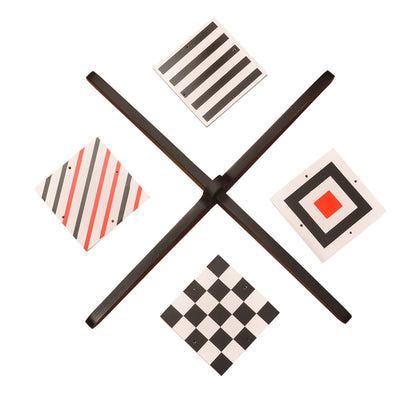
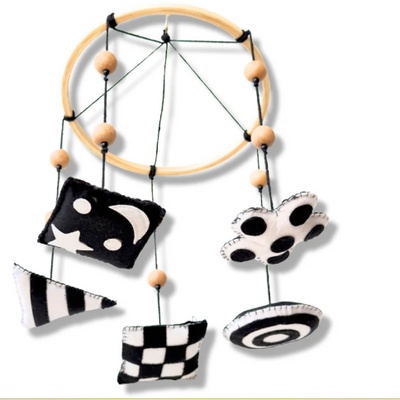
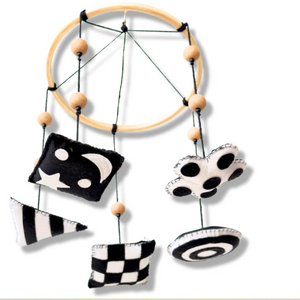
- High-Contrast Mobiles: These provide visual stimulation and help develop focus. Research shows newborns are drawn to black and white patterns.
- Soft Rattles and Teethers: Easy for tiny hands to grasp, they introduce cause-and-effect sounds and offer comfort during teething.
- Tactile Balls: Different textures (smooth, bumpy) engage the sense of touch, crucial for sensory integration.
These simple tools, often seen in Indian homes, encourage quiet observation and gentle interaction, perfectly aligning with a newborn's delicate stage of development.
Montessori Toys for Developing Infants (3-6 Months): Grasping & Reaching
As babies enter the 3-6 month stage, their motor skills rapidly advance. They begin to intentionally reach, grasp, and bring objects to their mouth for exploration. This is an exciting time for parents to introduce toys that support these new abilities.
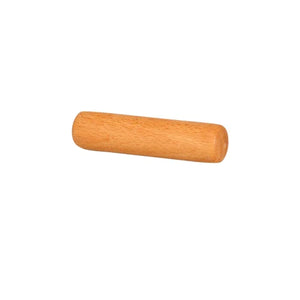
- Wooden Grasping Toys: Designed for small hands, these promote fine motor skills and hand-eye coordination.
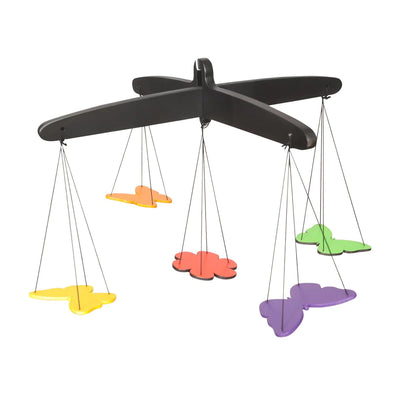
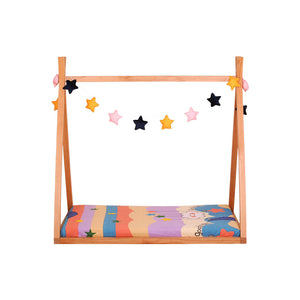
- Activity Gyms with Hanging Objects: Encourage reaching and batting, strengthening arm and shoulder muscles.
- Soft Books with Textures: Introduce early literacy concepts through sensory exploration and gentle interaction.
Encouraging tummy time with these engaging first year toys can also significantly boost physical development, helping babies strengthen core muscles necessary for sitting up.
Montessori Toys for Active Babies (6-9 Months): Sitting & Object Permanence
By 6-9 months, many babies are mastering sitting independently and are fascinated by object permanence – the understanding that objects continue to exist even when they can't be seen. Toys that support these milestones are invaluable.
- Object Permanence Boxes: A classic Montessori material, these boxes help babies understand that an object exists even when hidden.
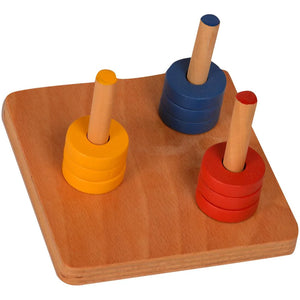
- Stacking Rings or Cups: Promote problem-solving, fine motor skills, and an understanding of size and order.
- Sensory Balls: Larger, textured balls encourage crawling and rolling, engaging gross motor skills.
Watching your baby master these challenges, perhaps with the playful encouragement of older siblings or cousins in a joint family, is a truly rewarding experience for every parent.
Montessori Toys for Crawlers & Cruisers (9-12 Months): Mobility & Problem-Solving
The 9-12 month mark sees babies becoming more mobile, whether through crawling, cruising, or even taking their first wobbly steps. Their curiosity grows, and they are eager to explore their environment and solve simple puzzles.
- Push & Pull Toys: Encourage walking and balance as babies move around the home.
- Shape Sorters: Develop problem-solving skills, shape recognition, and fine motor dexterity.
- Simple Puzzles (1-3 pieces): Introduce critical thinking and spatial reasoning.
These toys for 0-12 months India support a baby's growing independence and their innate drive to explore, making every discovery a learning opportunity. This stage is often filled with joyful sounds of exploration during festive family gatherings.
Choosing Safe & Sustainable Toys for Your Little One
As parents in India, ensuring the safety and quality of products for our children is always a top priority. When selecting educational toys, especially for infants, definitive considerations must be made.
- Material Safety: Always opt for toys made from natural, non-toxic materials like wood, organic cotton, or silicone. Ensure they are free from BPA, phthalates, and lead-based paints.
- Durability: High-quality toys withstand rigorous play and can be passed down, reducing waste. SkilloToys.com prioritizes durable, sustainably sourced materials.
- Age Appropriateness: Always check the manufacturer's age recommendations to prevent choking hazards and ensure the toy matches your baby's developmental stage.
- Ease of Cleaning: Babies explore with their mouths, so toys must be easy to clean and sanitize regularly.
By choosing thoughtfully, parents not only support their child's development but also contribute to a more sustainable future, a value deeply rooted in Indian culture.
- The first year of life is critical for rapid brain development, making educational toys essential.
- Montessori toys are specifically designed to foster independence and natural learning through self-directed play.
- Age-appropriate sensory, motor, and cognitive toys directly support a baby's unique milestones from 0-12 months.
- High-contrast mobiles and soft rattles are ideal for newborns (0-3 months) to stimulate early senses.
- Object permanence boxes and stacking toys are crucial for active infants (6-9 months) developing cognitive skills.
- Always prioritize safe, non-toxic, and durable materials when selecting toys for your baby in India.
When should I start giving educational toys to my baby?
You can introduce age-appropriate educational toys from birth. Newborns benefit from high-contrast visuals and soft textures, while infants quickly progress to grasping and sensory exploration, making every stage an opportunity for learning.
What kind of Montessori toys are best for a 6-month-old baby?
For a 6-month-old, Montessori toys that encourage sitting, grasping, and object permanence are ideal. Examples include soft sensory balls, stacking cups, and simple wooden rattles that promote fine motor skills and hand-eye coordination.
How do Montessori toys help with infant development?
Montessori toys are designed to support a child's natural developmental stages by providing self-correcting, hands-on learning experiences. They foster concentration, independence, fine motor skills, and problem-solving abilities, aligning with how infants naturally explore their world.
Are wooden toys safe for babies to chew on?
High-quality wooden toys, especially those certified for infants, are generally very safe for babies to chew on. Ensure they are made from non-toxic wood and finished with child-safe, lead-free paints or natural oils, and always check for splinters or small, detachable parts.
How many toys does a baby actually need?
Babies do not need a large quantity of toys. Research indicates that fewer, high-quality, and purposeful educational toys can lead to deeper engagement and better developmental outcomes than an overwhelming selection. Focus on rotation and age-appropriateness.