Importance of Play for Baby Development: 0-12 Months Guide
As new parents in India, the journey of watching your little one grow from a newborn to a curious toddler is filled with both joy and anxious anticipation about hitting developmental milestones. The importance of play for baby development during the crucial 0-12 month period cannot be overstated; it is the fundamental mechanism through which infants learn about themselves and the world around them. Play is your baby's first teacher, fostering critical cognitive, physical, and socio-emotional growth that lays the groundwork for their entire future. Research shows that consistent, age-appropriate play significantly enhances neural connections, ensuring robust brain development.
Inspired by Unicef's recent emphasis on the 'Right to Play' for children, this post delves into how playful engagement shapes your baby's crucial first year. Recognising that early investment in children is key to India’s future, as highlighted by The Hindu, understanding the power of play empowers you to nurture your little one's potential from the very beginning. Let's explore how to transform everyday interactions into powerful learning opportunities for your infant.
Developmental play is a child's natural, purposeful interaction with their environment, guided by curiosity, that actively supports their holistic development. This matters because it allows babies to practice essential cognitive, physical, and socio-emotional skills. Indian parents can facilitate this by providing safe, stimulating spaces and age-appropriate Montessori materials for exploration.
The Profound Benefits of Play for Newborns and Infants (0-12 Months)
Child development experts agree that play is not just fun; it is fundamental work for a baby. It serves as the primary driver for learning, helping infants develop crucial physical coordination, problem-solving abilities, and emotional regulation. Studies indicate that infants engaged in regular, varied play demonstrate advanced motor skills and stronger cognitive processing.
From the moment your baby opens their eyes, every kick, gurgle, and gaze is a form of play, contributing to their growth. Play helps strengthen muscles for rolling and crawling, refines hand-eye coordination for grasping, and builds neural pathways for language acquisition. It is through these playful explorations that babies begin to understand cause and effect, an essential cognitive concept.
The social-emotional benefits are equally significant. Interactive play, whether with a parent, grandparent, or sibling in a joint family setting, fosters attachment, trust, and early communication skills. Responding to your baby's babbling during play encourages their vocalisation and early language development, laying a strong foundation for future conversations in their mother tongue.
Baby Play Milestones 0-12 Months: A Month-by-Month Snapshot
Each stage of infancy has unique play-based developmental markers, indicating progress across various domains. Understanding these baby play milestones 0-12 months helps parents offer the right kind of stimulation, fostering natural growth. Maria Montessori's philosophy emphasises observing the child to understand their developmental needs, which applies perfectly to introducing play activities.
0-3 Months: Sensory Exploration and Reflexes
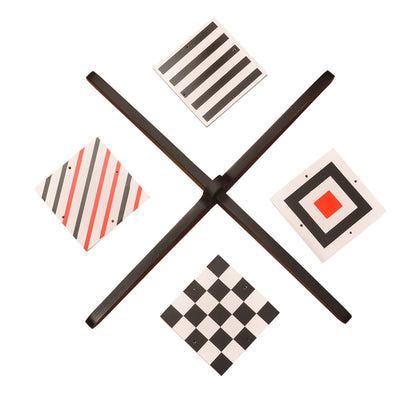
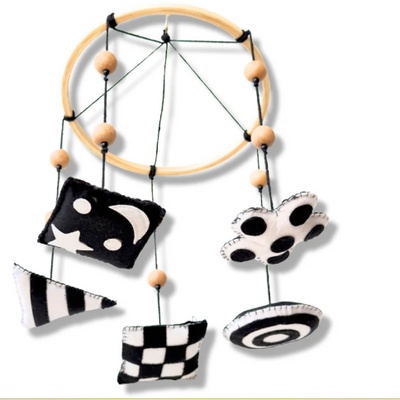
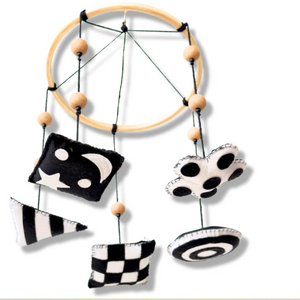
Newborns primarily explore through their senses and reflexes. Activities like tummy time strengthen neck and back muscles, while gently moving a colourful scarf encourages visual tracking. Providing soft, high-contrast objects or safe wooden rattles and grasping aids stimulates their early sensory perception and hand-eye coordination.
3-6 Months: Reaching, Grasping, and Cause-and-Effect
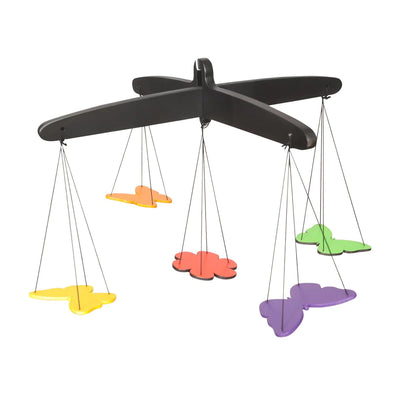
As babies gain more control, they begin to reach and grasp intentionally. Offering easy-to-hold items, allowing them to bat at hanging toys, or exploring different textures helps refine their fine motor skills. They start understanding that their actions have an effect, a foundational concept for problem-solving.
6-9 Months: Sitting, Crawling, and Object Permanence
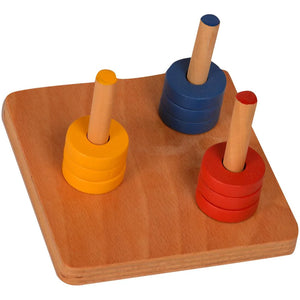
This period often sees babies sitting independently, starting to crawl, and developing object permanence. Play peek-a-boo with a dupatta, hide-and-seek with a favourite toy, or provide simple stacking toys or shape sorters. These activities are crucial for spatial awareness, memory, and gross motor development.
9-12 Months: Standing, Cruising, and Purposeful Manipulation
Towards their first birthday, babies are often pulling themselves up, cruising, and showing more intentionality in their play. Offering push toys, simple puzzles, and opportunities to drop objects into containers enhances their gross motor skills, problem-solving abilities, and understanding of volume and space. Encourage them to mimic daily activities, like stirring a pot with a toy spoon.
How to Encourage Play in Babies: Montessori-Inspired Ideas for Indian Homes
Creating a prepared environment is key to fostering independent play and supporting your baby's natural development. This means ensuring a safe, clean space where your child can explore freely, a principle central to Montessori education. Observe what naturally captures your baby's attention and follow their lead, rather than dictating play.
To truly understand how to encourage play in babies, consider simple, open-ended materials over flashy, battery-operated toys. Everyday items like wooden blocks, textured cloths, or safe household objects can become fascinating tools for discovery. Limit screen time, as it hinders the crucial real-world interaction and exploration babies need for optimal brain development.
Involve other family members, especially grandparents, in playful interactions. Their traditional stories, songs, and gentle games like 'pat-a-cake' (or 'clap-clap roti' in many Indian homes) provide rich cultural context and invaluable social bonding. These interactions foster strong emotional connections and support language acquisition in a loving environment, making Montessori play ideas for infants seamlessly integrate into Indian family life.
Why SkilloToys.com is Your Partner in Play-Based Learning
At SkilloToys.com, we understand the immense developmental power of play and the anxieties Indian parents often face regarding their baby's early years. Our curated collection of Montessori educational toys is designed to support every stage of your infant's development, offering purposeful materials that encourage self-discovery, concentration, and a lifelong love for learning. We believe in providing tools that empower your baby to be their own teacher, aligning perfectly with the principles that make play so vital.
From sensory exploration sets for newborns to early problem-solving puzzles for soon-to-be toddlers, our range is carefully selected to foster holistic growth. We are committed to being your trusted resource for high-quality, safe, and developmentally appropriate Montessori educational toys that seamlessly fit into your home and nurture your child’s innate curiosity from day one.
- Play is the most critical learning mechanism for infants aged 0-12 months, shaping their brain architecture.
- Consistent, age-appropriate play significantly enhances a baby's cognitive, physical, and socio-emotional development.
- Providing a 'prepared environment' with simple, open-ended Montessori materials fosters independent exploration and learning.
- Limiting screen time and prioritising face-to-face interaction is crucial for optimal infant brain development.
- Understanding baby play milestones allows parents to offer tailored activities that support natural developmental stages.
- Involving family members in play strengthens social bonds and enriches a baby's early language and cultural learning.
What is the primary role of play in baby development?
Play is the primary mechanism through which infants learn and grow, acting as their first teacher. It fosters crucial cognitive, physical, and socio-emotional skills, laying the essential groundwork for all future learning and development.
How can I encourage independent play in my infant?
You can encourage independent play by creating a safe, stimulating 'prepared environment' with age-appropriate, open-ended Montessori materials. Observe your child's interests and allow them uninterrupted time to explore without constant intervention.
What kind of toys are best for a 6-month-old baby?
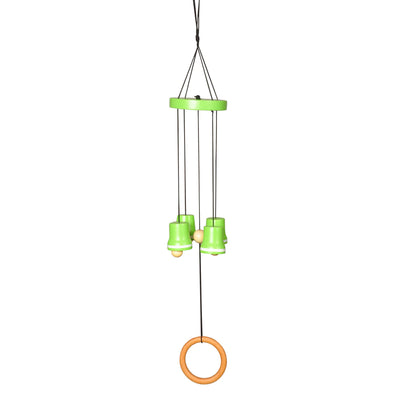
For a 6-month-old, sensory-rich toys that encourage grasping, reaching, and mouthing are ideal. Soft blocks, fabric books, wooden rattles, and simple stackers support developing motor skills and sensory exploration.
Is screen time beneficial for baby development?
No, extensive research indicates that screen time is not beneficial for baby development, especially for infants under 18-24 months. Face-to-face interaction and hands-on play with real objects are crucial for brain development.
How do Montessori principles apply to infant play?
Montessori principles advocate for a child-centred approach, providing freedom within limits and a carefully prepared environment with simple, purposeful materials. This empowers infants to learn through self-directed exploration and discovery at their own pace.