Infant Growth Challenges India: Nurturing Holistic Development
Recent reports confirm that infant growth challenges India continues to be a critical public health concern, impacting millions of young lives. However, parents in India can still foster robust cognitive, emotional, and motor development in their babies (0-12 months) by focusing on holistic, Montessori-aligned approaches, even when physical growth presents concerns.
This approach offers reassurance, reminding us that a baby's overall well-being encompasses far more than just weight or height, empowering new Indian parents to support their little one's complete potential.
Understanding Infant Growth Challenges in India
Research shows that India faces persistent challenges in child growth, with a significant percentage of children affected by stunting, wasting, and underweight. Recent UNICEF reports, while highlighting progress in reducing child deaths, also underscore that global gains are slowing, with India still among the worst-hit nations when it comes to child growth failure.
This news can understandably cause anxiety for new parents across Bengaluru and beyond, who often receive advice from doctors, grandparents, and even neighbours. However, understanding that growth challenges don't necessarily dictate a child's cognitive or emotional potential is the first step towards proactive support.
What is Holistic Baby Development (0-12 Months)?
Holistic baby development is a comprehensive approach that nurtures every aspect of a child’s growth: cognitive, emotional, social, and motor skills, rather than solely focusing on physical parameters. This matters because a well-rounded foundation in these areas is crucial for lifelong learning and well-being. Indian parents can implement this by creating an enriching environment and responding sensitively to their baby's needs.
From birth to 12 months, babies are like sponges, absorbing every experience and interaction. Cognitive development involves their ability to think, learn, and solve problems, while emotional development includes forming attachments and expressing feelings. Motor skills encompass everything from grasping a finger to taking those tentative first steps.
Montessori Early Intervention: Nurturing Every Milestone
Child development experts agree that early intervention is key, and the Montessori philosophy offers a powerful framework. Maria Montessori observed that children possess an innate drive for self-development, and a 'prepared environment' allows this to flourish. This principle is particularly reassuring for Indian parents concerned about baby development challenges India, as it empowers them to facilitate learning at home.
Instead of focusing solely on medical parameters, Montessori encourages parents to observe their child closely and provide opportunities for natural exploration. This can involve simple, safe materials that encourage independence and discovery, fostering internal motivation regardless of external growth metrics.
Cognitive and Sensory Development
During the first year, a baby's brain is developing at an astonishing rate. Montessori emphasizes sensory exploration as the gateway to cognitive understanding. Offering safe, multi-textured materials allows babies to engage their senses, enhancing their perception and understanding of the world.
Simple activities like tummy time on a textured mat or providing easy-to-grasp grasping rattles can significantly support their cognitive pathways. Research shows that early sensory stimulation lays the groundwork for advanced problem-solving skills later on. This is crucial for holistic baby development 0-12 months.
Emotional and Social Connection
A baby's emotional and social development thrives on secure attachments and responsive interactions. In the context of Indian joint families, grandparents and other family members play an invaluable role in providing a rich tapestry of social interactions and emotional security.
Responding to a baby's cries, making eye contact, and engaging in playful communication builds trust and helps them understand emotions. This secure base allows a child to feel confident enough to explore their environment, knowing they have a safe haven to return to.
Motor Skill Development and Exploration
Freedom of movement is a cornerstone of Montessori education, directly supporting physical and cognitive development. Instead of restrictive equipment, providing a safe, open space for your baby to move, roll, and crawl is paramount. This allows them to naturally develop strength, coordination, and spatial awareness.
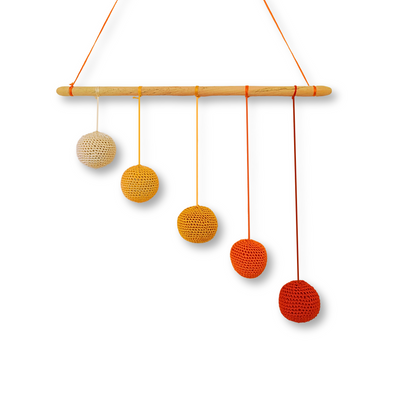
Materials like a simple wooden baby gym with dangling objects encourage reaching and grasping, building crucial fine and gross motor skills. Offering a variety of sensory development materials also supports hand-eye coordination and body awareness.
The Role of Environment and Responsive Parenting
Studies indicate that a nurturing and stimulating home environment is as critical for development as nutrition. This 'prepared environment' means ensuring safety, accessibility to age-appropriate materials, and a sense of order. For Indian families, this might involve creating a designated, child-friendly corner within the living room, even in a bustling household.
Responsive parenting—attending to a baby's cues, engaging in conversations, and providing comfort—builds a strong foundation for resilience and learning. Government initiatives like 'Beti Bachao, Beti Padhao' highlight the national commitment to child welfare, reminding us of the profound impact of parental care and societal support on every child's development, irrespective of their physical growth journey.
Supporting Growth Delays in Babies: When to Seek Expert Advice
When supporting growth delays in babies, the focus should always be on observation, love, and professional guidance. While it's natural for parents to worry about milestones, particularly in a society that often emphasizes early achievement, every child's developmental pace is unique. However, persistent concerns should always be discussed with a paediatrician or a developmental specialist.
These experts can provide tailored advice, conduct necessary assessments, and offer specific strategies to address any challenges. Remember, seeking help is a sign of strength and commitment to your child's best future, ensuring they receive the targeted support needed for their unique developmental path.
- Infant growth challenges in India are a documented public health concern, but holistic development offers a broader perspective.
- Holistic development prioritizes cognitive, emotional, and motor skills, independent of physical growth rates.
- Montessori principles provide effective early intervention strategies, focusing on a child's intrinsic drive to learn.
- A nurturing home environment and responsive parenting are crucial for a baby's overall well-being and development.
- Educational toys, especially Montessori-inspired ones, can significantly aid developmental support and skill building.
- Seeking expert guidance from paediatricians or specialists offers peace of mind and tailored strategies for individual needs.
What are infant growth challenges in India?
Infant growth challenges in India refer to issues like stunting, wasting, and underweight, which indicate a baby is not growing as expected for their age. These are critical public health indicators reflecting nutritional and environmental factors.
How does Montessori support holistic development when growth is a concern?
Montessori focuses on observing and nurturing a child's intrinsic developmental needs across cognitive, emotional, and motor domains, irrespective of physical growth challenges. It emphasizes a prepared environment and self-directed learning to build foundational skills.
Can educational toys help babies with developmental delays?
Yes, carefully selected educational toys, particularly Montessori-inspired materials, can significantly aid babies with developmental delays. They offer targeted stimulation for sensory perception, fine motor skills, problem-solving, and concentration, supporting tailored intervention.
What role do nutrition and environment play in a baby's development?
Nutrition provides the essential building blocks for physical and cognitive growth, while a stimulating, safe, and responsive home environment is crucial for emotional, social, and intellectual development. Both are fundamental pillars for a child's overall well-being.
How can parents reduce anxiety about their baby's milestones?
Parents can reduce anxiety by focusing on their baby's individual progress, creating a nurturing environment, and seeking regular check-ups with a paediatrician. Understanding that development is a broad spectrum, rather than a rigid timeline, can also provide peace of mind.