Malayalam Alphabets: Montessori Guide for Babies (0-12 Months)
Introducing Malayalam alphabets to babies aged 0-12 months is a powerful way to foster early language development and cultural connection, establishing a vital foundation for future learning. Child development experts agree that even before a baby speaks, their brain is actively absorbing sounds and language patterns, making this period ideal for rich linguistic exposure.
As new parents across India, the journey of your baby’s first year is filled with wonder and a desire to provide every advantage. Early language acquisition, especially in your native tongue like Malayalam, is a profound gift that connects them to their heritage and enhances cognitive growth.
What is Early Language Introduction for Babies?
Early language introduction involves immersing babies in the sounds, rhythms, and vocabulary of a language from birth. This matters because it significantly enhances cognitive development, auditory processing, and creates strong neural pathways for language acquisition. Indian parents can achieve this by integrating the local language naturally into daily interactions.
Why Early Malayalam Alphabets Exposure Matters for Language Development
Exposing your baby to the beautiful sounds and script of Malayalam from a young age lays a crucial groundwork for their linguistic future. Research from the National Institutes of Health indicates that infants exposed to a diverse linguistic environment demonstrate enhanced brain activity in areas associated with language processing, even during the first year of life.
This early exposure nurtures not just language skills but also cognitive abilities. Studies consistently show that a rich language environment in infancy correlates with better literacy outcomes and academic success in later years, often attributed to the brain's remarkable plasticity during this sensitive period. Furthermore, it strengthens cultural identity, a significant aspect in joint family setups where grandparents often converse in regional languages like Malayalam.
Maria Montessori's observations on 'sensitive periods' highlight that young children possess an innate drive to absorb language. For babies aged 0-12 months, this means their brains are primed to soak up every sound and intonation of the languages they hear, including the distinct phonetics of Malayalam. This isn't about formal lessons but about creating an enriching, receptive environment.
Montessori Principles for Introducing Malayalam Alphabets
The Montessori approach emphasizes respecting the child, fostering independence, and learning through discovery within a prepared environment. For infants and the introduction of montessori malayalam alphabets, this translates into gentle, consistent exposure rather than structured teaching. It’s about creating a foundation of familiarity and joy around language.
Unlike traditional methods that might focus on rote memorization, Montessori principles for this age involve sensory engagement and natural interaction. This means allowing the child to absorb the language without pressure, observing their interests, and responding to their cues. It's about planting the seeds of language appreciation, not demanding performance.
Practical Ways to Introduce Malayalam Alphabets to Your Baby (0-12 Months)
Introducing introducing malayalam to baby is more about immersion than instruction during the first year. Every interaction is an opportunity for language development. Remember, each baby develops at their own pace, much like the fascinating and unexpected growth patterns observed in ancient findings, reminding us that uniqueness is natural.
Speak, Sing, Read in Malayalam Daily
Constantly speak to your baby in Malayalam throughout the day. Narrate your actions, describe objects, and engage them in conversation, even if they can only babble back. Singing traditional Malayalam lullabies (thalattu) and children's songs not only introduces melody and rhythm but also familiarizes them with vocabulary and pronunciation.
Reading colourful Malayalam board books or fabric books to your baby, even if they just gnaw on the pages, exposes them to the visual form of the language and associates it with positive, bonding experiences. Point to pictures and name them in Malayalam, making the experience interactive.
Sensory Exploration with Malayalam
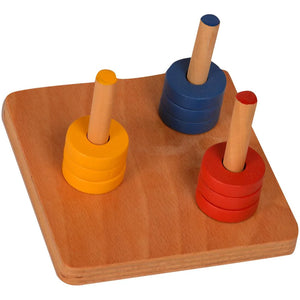
While traditional sandpaper letters are for older toddlers, infants can explore textured books or soft blocks that feature Malayalam letters (if available, or even DIY fabric cards). This tactile engagement connects the visual form of the letter with a physical sensation. SkilloToys offers a range of Montessori Method Learning Materials that encourage sensory exploration, perfect for preparing a language-rich environment.
You can also create simple, safe flashcards with bold Malayalam letters to display in their play area. Changing these regularly keeps the environment stimulating without overwhelming them. Remember, it's about passive absorption and visual recognition at this stage.
Observation and Response
Pay attention to your baby's reactions. If they seem captivated by a particular sound or word, repeat it. If they lose interest, move on. The key is to follow their lead, making language exposure a joyful and child-led experience. This respects their developing focus and attention span.
Everyday Environment and Family Interaction
In Indian homes, especially joint families, babies are often surrounded by multiple generations speaking various languages. Leverage this rich linguistic tapestry. Encourage grandparents and other family members to converse with the baby in Malayalam. Label common household items in Malayalam around the home – a simple 'മേശ' (mesha - table) or 'വാതിൽ' (vaathil - door) can provide constant visual exposure. This constant, natural exposure is crucial for their malayalam language development baby.
Understanding Malayalam Spelling and Sounds
For babies aged 0-12 months, understanding malayalam spelling rules or complex grammar is not the goal. The primary focus is on auditory discrimination and phonetic awareness. Malayalam, with its rich phonetic structure, offers a unique soundscape for your baby's developing ears.
Parents should aim for clear and consistent pronunciation of malyalam words and sounds. This helps babies distinguish between similar sounds and builds a mental library of the language's phonemes. Even if they only babble in response, their brain is diligently mapping these sounds, preparing for their first words.
Building a Language-Rich Home Environment
Creating a stimulating home environment goes beyond just language. It encompasses all aspects of development, from ensuring proper early childhood nutrition, as highlighted by UNICEF, to fostering emotional well-being. A language-rich environment is one where communication is valued, curiosity is encouraged, and learning is seen as an ongoing, joyful process.
Make language a part of everyday routines – bath time, feeding, and play. Talk about what you see, what you hear, and what you're doing. This constant, loving interaction is the most powerful tool you have for nurturing your baby's language development and overall growth. It's about investing in India's children, one conversation at a time, within the heart of your home.
- Introducing Malayalam alphabets from birth significantly enhances a baby's language development and cognitive skills.
- Child development experts confirm that infants' brains are highly receptive to language acquisition during the 0-12 month period.
- Montessori principles for early language focus on creating a prepared, sensory-rich environment and following the child's natural interests.
- Consistent exposure to spoken Malayalam, traditional songs, and reading Malayalam books are effective methods for infants.
- Early linguistic immersion strengthens cultural identity and connects children to their heritage, especially in Indian family settings.
- Babies naturally absorb language patterns without confusion, even when exposed to multiple languages simultaneously.
When is the best time to introduce Malayalam alphabets to a baby?
The ideal time to introduce Malayalam alphabets to a baby is from birth through early infancy (0-12 months). Babies' brains are incredibly receptive to sounds and language patterns during this period, absorbing linguistic input long before they begin to speak.
What are some simple ways to introduce Malayalam alphabets to an infant?
Simple ways include speaking Malayalam constantly, singing traditional Malayalam lullabies (thalattu), reading Malayalam storybooks, and pointing out objects with their Malayalam names. Focus on creating a language-rich environment through daily interactions and play.
Do babies get confused by multiple languages or alphabets?
Child development experts confirm that babies do not get confused by exposure to multiple languages or alphabets simultaneously. In fact, research indicates that bilingual or multilingual exposure from infancy can enhance cognitive flexibility and problem-solving skills.
What is the Montessori approach to early language learning?
The Montessori approach to early language learning emphasizes a prepared environment, hands-on sensory experiences, and following the child's natural curiosity. For infants, this means rich linguistic exposure, observation, and providing opportunities for interaction without pressure.
How can I make learning Malayalam alphabets fun for my baby?
Making it fun involves playful interaction: use different voices when reading, incorporate actions with words, and engage their senses with soft books or tactile toys featuring Malayalam letters. The key is joyful interaction, not formal lessons, at this young age.