Telugu Letters with Pictures: A Montessori Guide for Babies
Introducing telugu letters with pictures to your baby from 0-12 months is a gentle process focused on immersion and sensory experiences, rather than formal teaching. Parents can begin by creating a language-rich environment at home, ensuring consistent exposure to spoken Telugu and visually stimulating materials, laying a strong foundation for future literacy.
New parents in India often feel anxious about their baby's developmental milestones, especially concerning language. Rest assured, SkilloToys embraces the Montessori philosophy to guide you through this exciting journey, making early language learning a joyful and natural part of your child’s first year. This approach aligns perfectly with initiatives like Beti Bachao, Beti Padhao, emphasizing the importance of nurturing every child’s potential from infancy.
What is Montessori Telugu for Infants?
Montessori Telugu for infants involves nurturing a child's natural curiosity towards language through sensory engagement and a carefully prepared environment. This approach matters because it lays a strong foundation for future literacy, cognitive development, and a deep cultural connection. Indian parents can integrate this by consistently speaking Telugu and providing age-appropriate visual and auditory aids.
Why Early Exposure to Telugu Matters for Your Baby
Child development experts agree that the first year of life is a critical period for language acquisition. Infants are like sponges, absorbing every sound, word, and nuance from their surroundings. Exposing your baby to Telugu alphabets and sounds during this time capitalizes on their innate capacity for language learning, fostering a robust linguistic foundation.
Research shows that infants exposed to a rich linguistic environment demonstrate enhanced auditory discrimination and broader vocabulary development later on. This early immersion is particularly beneficial in diverse Indian households where multiple languages are spoken, promoting cognitive flexibility without confusion. A recent UNICEF report highlighted sustained progress in reducing child deaths in India, underscoring the broader focus on nurturing children's overall well-being, including their cognitive and linguistic development.
Creating a Telugu-Rich Montessori Environment (0-12 Months)
The Montessori method for infants focuses on preparing an environment that supports natural development. For early language, this means consistent, gentle exposure to Telugu sounds and visuals. Here’s how to bring Telugu alphabets into your baby's world:
Visual Immersion with Telugu Alphabets for Babies
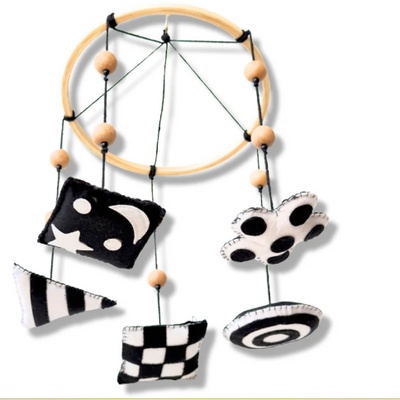
Surround your baby with visual cues. Use high-contrast telugu letters with pictures prominently displayed in their play area or nursery. Look for simple, clear illustrations of Telugu letters paired with familiar objects like ‘అ’ for అమ్మ (amma - mother) or ‘ఆ’ for ఆవు (aavu - cow). Change these visuals periodically to maintain interest.
Ensure these materials are safe, durable, and easily accessible for your baby to explore. Think beyond just static pictures; consider soft fabric books featuring Telugu letters that your baby can touch and mouth safely. This sensory engagement is crucial for infants.
Auditory Engagement: Spoken Telugu Language Development 0-12 Months
The most powerful tool for early language learning is your voice. Speak Telugu to your baby consistently throughout the day – during feeding, changing, playing, and cuddling. Narrate your actions in Telugu, sing traditional Telugu lullabies, and recite simple rhymes.
Involve grandparents and other family members, as their natural storytelling and conversations in Telugu further enrich your baby's linguistic landscape. Studies indicate that consistent, loving interaction from caregivers significantly boosts a child's early language acquisition. This continuous dialogue provides natural, meaningful context for Telugu words and sounds.
Tactile Exploration with Early Language Learning Telugu Materials
Montessori emphasizes hands-on learning. For infants, this translates to exploring textures and shapes associated with language. While formal sandpaper letters are for older toddlers, you can introduce tactile experiences that pre-empt this.
Consider soft toys shaped like Telugu letters or textured cards that babies can feel. As your baby grows, introduce sturdy board books with large, simple Telugu letters. These sensory experiences prepare their little brains for recognizing and understanding the forms of the Telugu script.
Incorporating Telugu Educational Toys: Baby-Friendly Options
Choosing the right educational toys is key to a Montessori-aligned approach. Look for telugu educational toys for baby that are age-appropriate, safe, and encourage exploration rather than passive entertainment. SkilloToys offers a range of Montessori-inspired materials that can support this journey.
Consider soft block sets featuring Telugu letters on each side, or wooden puzzles with large Telugu alphabet pieces. These provide opportunities for visual recognition and tactile engagement. Remember, the goal is not to drill letters but to introduce them as part of a stimulating and joyful environment, respecting the baby's natural pace.
The Role of Family and Culture in Montessori Telugu for Infants
In Indian homes, especially joint families, language learning is a community effort. Grandparents are invaluable assets, often serving as primary storytellers and conversationalists. Their tales from childhood and traditional songs sung during festivals like Ugadi or Diwali provide authentic, joyful exposure to Telugu.
Embrace this cultural richness. The more your baby hears and sees Telugu used in meaningful, loving contexts by family members, the stronger their connection to the language and their heritage will be. This holistic approach supports not just linguistic development but also emotional well-being, as highlighted by findings on early childhood care.
Is 0-12 months too early to introduce Telugu letters?
No, it is not too early. Research shows infants are remarkably receptive to language sounds and visual cues from birth, making the first year an ideal time for gentle language immersion and exposure to early literacy concepts.
What kind of 'telugu letters with pictures' are best for infants?
High-contrast, durable materials like soft fabric books, board books, or simple flashcards featuring clear Telugu letters paired with familiar objects are ideal. Focus on quality, safety, and visual appeal that captures a baby's attention.
How often should I expose my baby to Telugu alphabets?
Consistent, short bursts of exposure throughout the day are more effective than infrequent, long sessions. Integrate Telugu sounds and visuals naturally into daily routines like feeding, playtime, and lullabies, making it a joyful experience.
Does introducing Telugu early confuse my baby with other languages?
No, introducing multiple languages early does not confuse babies. Child development experts agree that infants' brains are uniquely wired to process and distinguish between different language systems, fostering cognitive flexibility and future bilingualism.
What role do grandparents play in early Telugu language development?
Grandparents play a vital role by speaking Telugu naturally, sharing traditional stories, and singing lullabies. Their consistent interaction enriches the language environment, strengthens cultural bonds, and provides additional, loving exposure to the language.
- Early, gentle exposure to Telugu alphabets from 0-12 months fosters natural language development.
- The Montessori approach for infants emphasizes creating a prepared environment for sensory language immersion.
- High-contrast and age-appropriate materials for 'telugu letters with pictures' are crucial for visual stimulation.
- Consistent auditory exposure to spoken Telugu by caregivers and family significantly aids linguistic acquisition.
- Integrating Telugu into daily routines and cultural celebrations makes early language learning joyful and effective.
- Grandparents are invaluable resources for enriching a baby's Telugu language environment through stories and songs.