Telugu Letters with Pictures: Brain Science for Early Literacy
When young Aarya, a three-year-old from Bengaluru, points excitedly to a flashcard featuring the Telugu letter 'అ' paired with an 'అమ్మ' (mother) picture, she's doing more than just memorizing. She's building neural pathways that will shape her cognitive abilities for life. Research confirms that engaging with Telugu letters with pictures profoundly boosts early literacy and brain development, leveraging a child's natural visual processing strengths.
Visual language learning, particularly with tools like Telugu letters with pictures, involves associating written characters with corresponding images. This method matters because it taps into children's natural visual processing strengths, making abstract alphabets concrete. Indian parents can effectively use such materials to build a strong foundation for both regional language fluency and overall cognitive growth.
The Visual Advantage: How the Brain Learns Telugu
Our brains are wired for visual input. For children, especially during the critical developmental window often highlighted by Unicef's 'Early Moments Matter' initiative, visual cues are the primary way they make sense of their world. When learning learning Telugu for kids, this visual strength becomes a superpower. Associating the shape of a Telugu letter with a familiar object or animal creates a direct, memorable link in the child's mind.
Studies in language development science indicate that this visual-linguistic connection strengthens the brain's capacity for pattern recognition and information retrieval. It's not just about rote memorization; it's about building a robust neural network that can quickly process and differentiate complex symbols. This foundation is crucial for transitioning from letter recognition to word formation and fluent reading.
Montessori Principles and Early Literacy in India
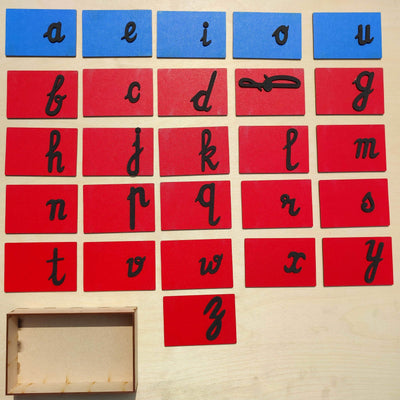
Maria Montessori's profound insights into child development placed sensorial learning at the forefront. For early literacy India, this translates beautifully to concrete, hands-on materials. Think of Montessori sandpaper letters, where children trace the form of a letter, engaging their tactile sense alongside sight and sound. Similarly, flashcards depicting telugu alphabet learning alongside vivid images provide a multi-sensory experience.
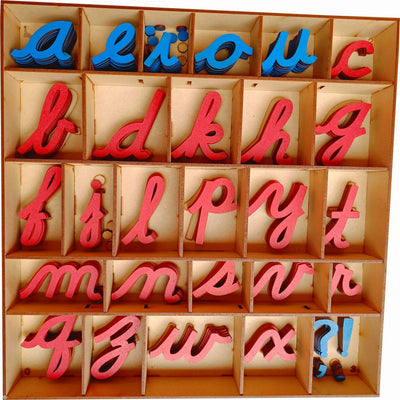
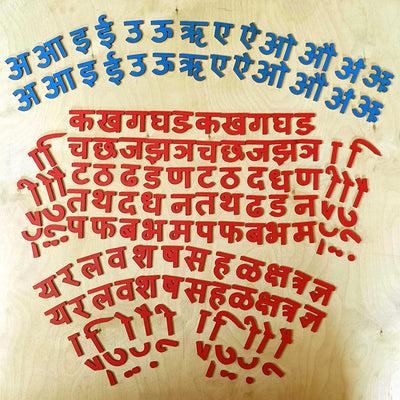
A structured early childhood education exposure, as evidenced by studies like those published in Nature on Indian birth cohorts, directly correlates with enhanced childhood cognition. Tools like wooden alphabet puzzles for regional languages or picture-based learning cards, align perfectly with this philosophy, allowing children to explore letters at their own pace and through discovery.
Beyond Language: Cognitive Gains from Visual Learning
The benefits of using visual learning kids materials for regional languages extend far beyond simply knowing the alphabet. When a child learns 'క' for 'కమలం' (lotus), they are simultaneously enhancing their working memory, attention span, and cognitive flexibility. Their brain is actively working to connect an abstract symbol, a sound, and a visual representation, a complex task that builds superior executive function skills.
This cognitive enrichment is particularly vital in the context of contemporary concerns, such as the emerging threat of air pollution to child brain development, as highlighted by NDTV. While external threats exist, maximizing internal brain development opportunities through rich linguistic and visual stimulation becomes even more imperative. Providing a rich learning environment, even in simple ways, makes a profound difference.
The Bilingual Advantage: Regional Languages and Brain Power
Many Indian homes are naturally bilingual or even multilingual, with grandparents speaking a regional language and parents conversing in English. This linguistic richness is a huge asset. Research shows that bilingual children often develop stronger problem-solving skills and demonstrate greater cognitive control compared to monolingual peers. Learning telugu letters with pictures contributes directly to this bilingual advantage.
By mastering their mother tongue or a regional language like Telugu, children gain a deeper cultural connection and a unique cognitive toolkit. This dual-language exposure, facilitated by engaging visual aids, fosters a more adaptable and robust brain. It's an investment in not just communication, but in superior intellectual capabilities. Parents can explore a range of Montessori method learning materials to support this journey.
Practical Steps for Parents: Bringing Telugu Letters to Life
Integrating montessori regional language learning into daily life doesn't require elaborate setups. Start with simple, high-quality picture flashcards for Telugu letters. Point out letters in books, on street signs, or even during family conversations. Make it a playful interaction, rather than a rigid lesson.
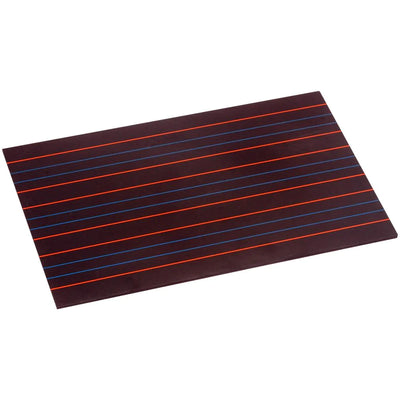
For example, during dinner, if you're serving 'పప్పు' (dal), point to the letter 'ప' and its corresponding picture. This concrete, real-world connection is how children learn best. Engage their senses with materials like tracing boards or language development tools that encourage hands-on exploration. The goal is to make language acquisition an exciting adventure, not a chore.