Toys for 4-Year-Old Boys: Play Science for Their Growth
For many Indian parents, selecting the right toys for 4 year old boys often sparks questions beyond just what's popular; there's a deep desire to understand how play truly nurtures their unique development. Research shows that at this pivotal age, play is not merely entertainment but a sophisticated mechanism for accelerating cognitive, social-emotional, and motor skill development, shaping the foundation for future learning. This scientific understanding empowers parents in Bengaluru and across India to choose materials that genuinely align with their child's rapidly evolving brain and emerging interests, ensuring purposeful engagement.
The developmental science behind play for 4-year-old boys investigates how their unique biological, cognitive, and social-emotional growth stages interact with specific play activities to build essential life skills. This matters because understanding these patterns allows parents to select purposeful engagements, ensuring optimal stimulation. Indian parents can use this to choose toys that genuinely foster innate curiosity.
The Neuroscientific Basis of a Four-Year-Old Boy's Play
At four years old, a boy's brain is undergoing an extraordinary period of growth, with neural connections multiplying at an astonishing rate. Studies from institutions like the Harvard Center on the Developing Child emphasize that this age is critical for developing executive functions such as planning, sustained attention, and problem-solving. Play isn't just a leisure activity; it's the brain's primary mode of learning, particularly in areas like spatial reasoning and cause-and-effect understanding.
Experts agree that the intense focus a 4-year-old boy often shows in repetitive tasks – like building and re-building a tower, or pushing a car along the same path countless times – isn't just about mastering a skill. It's a vital neuro-developmental loop for strengthening neural pathways. This focused cognitive training lays the groundwork for complex thought processes, preparing them for the structured learning environments of preschool and beyond, a common concern for Indian parents.
Cognitive Leaps: Building Worlds and Solving Puzzles
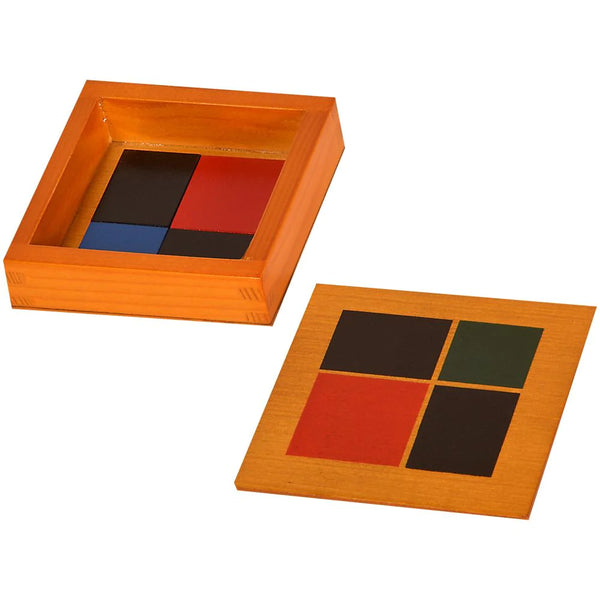
Four-year-old boys often exhibit a captivating drive to understand how things work, building intricate worlds from simple materials. This translates into a strong inclination towards constructive play, which profoundly impacts their cognitive development. Engaging with Montessori blocks and construction sets helps them grasp principles of balance, gravity, and symmetry, all while developing advanced spatial reasoning skills.
Whether they're meticulously placing a piece in a geometric puzzle or designing an elaborate 'hideout' under the dining table, these activities directly enhance their problem-solving abilities. Maria Montessori's philosophy, focusing on hands-on exploration and self-correction, provides the ideal framework for these cognitive leaps. This allows a child like Aarav in Chennai to repeatedly test and refine his understanding of structure, turning failure into a learning opportunity without external pressure.
Fostering Social-Emotional Skills Through Role Play
As 4-year-old boys move from parallel play to more cooperative interactions, imaginative role play becomes a cornerstone for developing social-emotional skills. Pretending to be a bus driver picking up passengers (their grandparents), or a doctor examining a doll, allows them to explore different perspectives, understand social norms, and practice empathy. The American Academy of Pediatrics highlights imaginative play as crucial for developing emotional regulation and communication.
In the vibrant context of an Indian joint family, these play scenarios become richer. Cousins often join in, creating complex narratives that require negotiation, sharing, and compromise. This natural environment fosters crucial social-emotional skills boys 4 years old need to navigate friendships and family dynamics, moving beyond simple 'mine' to a more nuanced 'ours' as they learn to cooperate and lead.
Mastering Movement: Gross and Fine Motor Development
The restless energy often associated with 4-year-old boys is a powerful indicator of their drive for gross motor development. Running, climbing, jumping, and engaging in 'rough-and-tumble' play are not just outlets for energy; they are critical for building strength, balance, and coordination. Experts at NCERT recognize the importance of varied physical activity for holistic preschooler boy development.
Simultaneously, fine motor skills are rapidly refining, crucial for tasks like dressing themselves, holding a crayon correctly, or manipulating small objects. Montessori materials, such as those found in practical life activities like pouring or transferring beads, offer purposeful engagement that hones pincer grip and hand-eye coordination. These activities are foundational, not just for writing, but for developing the dexterity needed for intricate tasks later in life.
Selecting Montessori Toys for 4-Year-Old Boys: Beyond Stereotypes
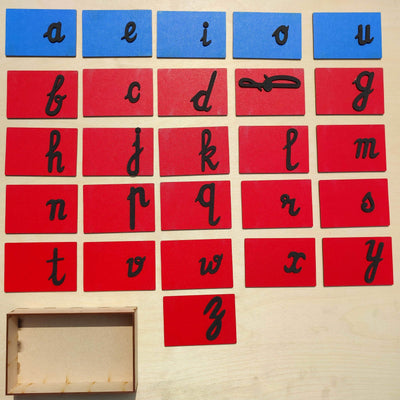
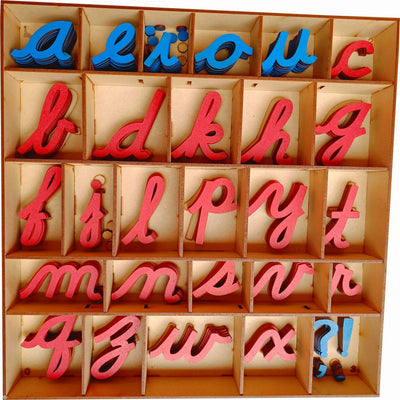
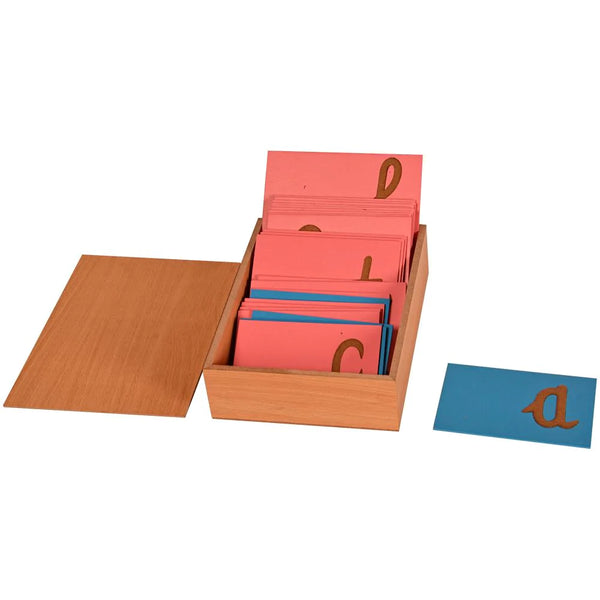
When considering Montessori toys for 4 year old boys, the focus should always be on developmental benefit, rather than adhering to traditional gender stereotypes. Research consistently shows that children thrive with open-ended, natural materials that invite active exploration and creativity. Wooden blocks, puzzles, art supplies, and practical life materials are invaluable because they require the child to be the imaginative force, not merely a passive observer.
These developmental toys for boys foster intrinsic motivation and deep concentration, skills that are increasingly important as children face academic pressures. Instead of choosing a toy based on whether it's 'for boys,' parents can observe their child's specific interests – do they love building, stories, or caring for others? Then, select materials that support these authentic inclinations, providing tools for their natural developmental journey.
Understanding the intricate developmental science behind a 4-year-old boy's play offers a powerful roadmap for Indian parents. By embracing purposeful play and selecting toys that cater to their child's cognitive leaps, social-emotional growth, and motor skill mastery, you're not just providing entertainment. You're laying a robust foundation for a confident, curious, and capable learner, ready to thrive in school and beyond. Observe, engage, and witness the surprising power of science-backed play unfold in your home.