India's Food Environment: Guiding Your Child to Healthy Eating
When we talk about what our children eat, the conversation often begins and ends at the dining table. But in India, the broader India's food environment — a dynamic interplay of market forces, evolving policies, and cultural shifts — profoundly shapes what lands on that plate long before a child makes a choice. This comprehensive environment dictates the availability, affordability, and desirability of food, directly impacting our children's nutrition and health outcomes, a crucial aspect highlighted by orfonline.org.
India's food environment is the entire system surrounding food production, distribution, access, and consumption, influencing dietary patterns through external factors like advertising, urbanisation, and food pricing. This matters because these external forces contribute significantly to challenges like rising childhood obesity and micronutrient deficiencies. Indian parents can effectively guide their children by understanding these influences, advocating for healthier community options, and fostering a critical approach to food choices.
Understanding the Shifting Plate: Child Nutrition India Challenges
India is experiencing a rapid nutritional transition, moving from traditional diets to a landscape dominated by processed and convenience foods. This shift presents unique child nutrition India challenges, contributing to a dual burden of malnutrition and obesity. Children are increasingly exposed to a variety of foods that are high in sugar, salt, and unhealthy fats, often at the expense of nutrient-rich traditional meals.
The Allure of Ultra-Processed Foods
From colourful snack packets at the local kirana store to pervasive television commercials, ultra-processed foods are aggressively marketed to children. Research shows that early exposure to such marketing significantly influences children's food preferences and purchase requests. This phenomenon is so widespread that even initiatives like Abbott and Sesame Workshop India bringing healthy habits to life through immersive learning experiences underscore the need to counteract these external pressures from a young age.
Consider a 5-year-old in Bengaluru, Aarya, who watches her favourite cartoon characters promote a sugary breakfast cereal. She then asks her grandmother, who has always cooked fresh idlis, for that cereal. This scenario is increasingly common, illustrating how marketing directly impacts household food decisions, often challenging long-standing healthy family traditions.
School Canteens and Peer Pressure
Beyond the home, schools and community settings are powerful shapers of dietary habits. School canteens, while providing convenience, sometimes offer limited healthy choices, relying heavily on fried snacks or sugary drinks. Peer pressure also plays a significant role, with children often mimicking what their friends eat, further entrenching preferences for less nutritious options.
However, positive changes are emerging. The Times of India recently reported on fathers joining anganwadi meetings, boosting community oversight of nutritional programs. Such engagement is vital, as parental involvement can push for healthier food policies within educational institutions and local community kitchens, promoting better community nutrition India wide.
Empowering Healthy Food Choices India: Your Role as a Parent
Navigating this complex food environment requires more than just telling children what to eat; it demands empowering them with understanding and critical thinking. As parents, you are your child's first and most influential guide, helping them make healthy food choices India-wide, whether at home, school, or during festivals.
Cultivating Critical Consumers
Teach your child to question food marketing from an early age. When they see a commercial for a sugary drink, ask them: "What nutrients does this drink give us? Is it better than fresh nimbu pani or coconut water?" Engage them in grocery shopping, explaining why you choose fresh vegetables over packaged snacks. This simple practice builds their cognitive skills, turning them into critical consumers, not just passive recipients of advertising.
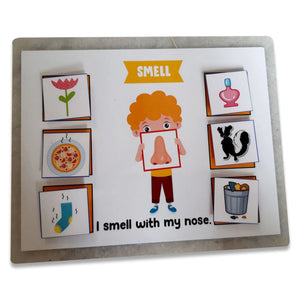
For younger children, engaging with real-life activities that involve sorting and categorising different types of food can be a fantastic learning experience. Explore our range of activity kits that encourage practical life skills, laying a foundation for informed choices later on.
Advocating for a Healthier Community Nutrition India
Your voice as a parent holds power. Talk to your child's school about incorporating healthier options in the canteen or promoting fresh fruit breaks. Collaborate with other parents to lobby for better food standards at local events or community centres. Maria Montessori herself emphasised the child's environment as a crucial factor in development, and this extends to the broader food ecosystem they inhabit.
Supporting local farmers' markets or choosing small, local vendors who offer fresh produce also strengthens the healthy food ecosystem in your community. These actions contribute to a positive ripple effect, making nutritious food more accessible for everyone.
Montessori Healthy Eating India: Nurturing Inner Wisdom
The Montessori philosophy offers a powerful framework for fostering healthy eating habits that go beyond external pressures. It champions the child's independence and intrinsic motivation, allowing them to develop a natural understanding of their body's needs and preferences, crucial for Montessori healthy eating India.
From around 18-24 months, children can begin participating in food preparation. Let them wash vegetables, shell peas, or mix dough. This hands-on involvement gives them ownership and curiosity about food. Instead of force-feeding, offer a variety of healthy options and trust your child to eat what their body needs, within reasonable boundaries.
Providing children with the freedom to choose from healthy options, for example, during a family meal where a variety of vegetables and lentils are served, empowers them. They learn to regulate their intake, understanding hunger and fullness cues, rather than being dictated by external rewards or punishments. This fosters a respectful relationship with food that can last a lifetime.
Navigating India's complex food environment is a continuous journey for parents. By understanding the external forces at play and actively engaging with both home and community, you can empower your child to make intelligent, healthy food choices. Start by observing your child's interactions with food outside the home, and then initiate conversations that build their awareness. Tonight, perhaps, ask them to name one healthy food they saw today and why they think it's good for them. This simple dialogue can be the beginning of a lifelong journey towards mindful eating.
For more ways to encourage independent thinking and practical life skills that support healthy development, explore our full range of Montessori learning materials at SkilloToys.