WHO Infant & Young Child Feeding Guidelines India: Montessori Approach
For Indian parents, navigating the crucial early years of a child's nutrition can feel overwhelming, especially with diverse advice from family, friends, and the internet. Implementing the WHO infant and young child feeding guidelines India, combined with Montessori principles, offers a clear, empowering path. This approach fosters not just physical health but also independence and a joyful relationship with food from birth.
The World Health Organization (WHO) Infant and Young Child Feeding (IYCF) guidelines provide a global standard for optimal nutrition from birth to two years and beyond. This matters because robust nutrition during this window directly impacts a child's lifelong health, cognitive development, and immunity. Indian parents can adapt these evidence-based recommendations, integrating them with the child-centric wisdom of Maria Montessori, to create a nurturing feeding environment.
The Foundation: Exclusive Breastfeeding & Responsive Feeding
Child development experts agree that exclusive breastfeeding for the first six months is paramount, continuing up to two years or beyond. This is a cornerstone of the WHO IYCF guidelines. Beyond just nutrition, breastfeeding fosters a profound mother-child bond, offering immunity and comfort. The Indian Academy of Pediatrics (IAP) also strongly endorses these recommendations, recognizing their critical role in reducing infant mortality and malnutrition, which remains a persistent challenge highlighted by India's Nutrition Report Card.
The essence of WHO's guidelines, particularly during early feeding, is responsive feeding. This means paying close attention to your baby's hunger and fullness cues – looking for signs like rooting, sucking motions, or turning away from the breast. This gentle, respectful approach aligns seamlessly with Montessori's philosophy of observing and following the child's lead. It's about feeding the baby, not the clock or a predetermined quantity.
Montessori Complementary Feeding: Empowering Early Eaters
Around six months, when your baby shows signs of readiness (sitting with support, good head control, interest in food), it's time to introduce complementary foods. This stage is where Montessori complementary feeding truly shines. Instead of spoon-feeding a pureed meal passively, the Montessori approach encourages self-feeding from the start.
Imagine 10-month-old Rohan in a Bengaluru joint family, sitting in his small, sturdy chair at a child-sized table, exploring a soft piece of steamed idli or mashed banana. He's using his pincer grasp, bringing the food to his mouth, making a mess, but learning invaluable skills. This isn't just about eating; it's about developing fine motor skills, hand-eye coordination, and a sense of agency.
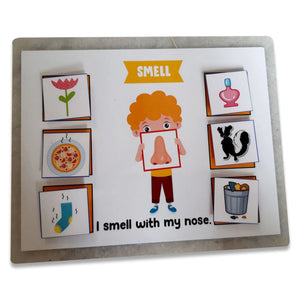
Offer a variety of nutrient-rich, locally available Indian foods. Think soft khichdi, ragi porridge, pureed vegetables like pumpkin or carrots, and gradually introducing tiny, soft pieces of fruits and lentils. Remember, as per WHO feeding practices, avoid added sugar, salt, or honey in the first year. The goal is to expose them to diverse tastes and textures in a positive way. For parents looking for activities to help their child explore food textures and concepts, activity kits can offer engaging ways to learn about food groups and healthy choices.
Nurturing Healthy Toddler Eating Habits: Independence at the Dining Table
As children grow into toddlers, mealtime challenges often emerge. One-year-old Anya in Mumbai might suddenly refuse foods she previously loved, or demand only her favourite paneer. This is a normal developmental stage, often linked to asserting independence. The toddler eating habits Montessori approach emphasizes consistency, choice within limits, and a respectful environment.
Provide a comfortable, child-friendly eating space. This might be a low table with a small chair, allowing the child to get in and out independently. Offer small, manageable portions, and allow your toddler to serve themselves from communal dishes if safe and practical. The act of choosing and serving empowers them, reducing power struggles. For instance, instead of asking, "Do you want roti?" ask, "Would you like a small piece or a big piece of roti?" Studies indicate that giving children autonomy over their food choices, within healthy boundaries, leads to better long-term eating habits.
Responsive Feeding in Practice: Beyond Just Calories
The core principle linking WHO guidelines and Montessori is responsive feeding. It's about more than just ensuring your child consumes enough calories; it's about nurturing a healthy relationship with food. This means:
- Observing cues: Pay attention to your child's signals of hunger (reaching for food, vocalizing) and fullness (turning head away, pushing food, closing mouth).
- Avoiding force-feeding: Never force a child to eat, or pressure them to "finish everything on their plate." This can create negative associations with food and disrupt their natural satiety signals.
- Creating a calm environment: Mealtimes should be relaxed, social occasions, free from distractions like screens.
- Patience and persistence: It can take multiple exposures for a child to accept a new food. Keep offering a variety without making a fuss. Research shows children might need to encounter a new food 10-15 times before accepting it.
Addressing Indian Feeding Challenges with Montessori Wisdom
Indian households often face unique dynamics. Grandparents, with their deep love and traditional wisdom, might encourage children to eat more, or offer sweets during festivals. While respecting these traditions, parents can gently explain the importance of a balanced diet and responsive feeding. For example, rather than forbidding Diwali sweets, offer a small portion and then transition to healthier options.
The "Childhood Nutrition Challenges in India" report from Think Global Health underscores the need for adaptable strategies. Montessori principles encourage practical life skills, which can extend to meal preparation. Involve your child in age-appropriate tasks like washing vegetables, setting the table, or kneading dough. This fosters appreciation for food and ownership over their meals. Providing children with tools that fit their hands, such as those found in our Montessori method learning materials collection, can make these practical life activities accessible and enjoyable.
Implementing the WHO guidelines with a Montessori lens empowers parents to cultivate independent, healthy eaters. It shifts the focus from battles over food to a collaborative journey, teaching children to listen to their bodies and make mindful choices. This mindful approach, rooted in respect for the child, lays a strong foundation for lifelong well-being.