Montessori Healthy Habits for Toddlers: Indian Home Guide
Montessori healthy habits for toddlers and preschoolers lay a crucial foundation for lifelong well-being by fostering independence and self-regulation in Indian homes. This evidence-based approach empowers young children to make informed choices about nutrition, sleep, and physical activity. It directly addresses the rising trend of childhood obesity in India, as highlighted by recent UNICEF reports, offering parents a proactive strategy to instill healthy practices from the earliest years.
Child development experts agree that early childhood is the most impactful period for habit formation. In India, where traditional mealtime customs, varied food environments, and increasing screen time present unique challenges, a Montessori approach provides a structured yet flexible framework. It moves beyond mere instruction, enabling children to internalize healthy practices through purposeful activity and choice.
What are Montessori Healthy Habits?
Montessori healthy habits encompass a child-led approach to nutrition, sleep, and physical activity, integrated through a carefully prepared environment. This methodology encourages children to develop self-awareness and independence in caring for their bodies and surroundings. For Indian parents, it translates into practical strategies that resonate with cultural values while promoting modern health goals.
Empowering Healthy Eating Habits for Indian Toddlers & Preschoolers
In a country as diverse as India, navigating food choices for young children can be complex. The recent report from orfonline.org, "Beyond Individual Choice: Fixing India's Food Environment," underscores the systemic challenges. However, within the home, parents hold significant power. Montessori healthy eating habits for toddlers and preschoolers focus on nurturing an intrinsic love for wholesome food, not forced consumption.
Creating a Prepared Mealtime Environment: Maria Montessori emphasized the "prepared environment" – a space designed to support a child's independence. For meals, this means a child-sized table and chair, unbreakable crockery, and utensils that toddlers can manage. Imagine 2-year-old Anya in a Bengaluru apartment, confidently pouring water from a small jug into her glass at her low table, reducing spills and fostering a sense of accomplishment.
Involving Children in Food Preparation: When children participate in preparing food, they are far more likely to eat it. Encourage your 3-year-old to help wash vegetables, shell peas, or even roll a small portion of atta for chapati. This sensory engagement with food – the smell of fresh coriander, the texture of rice – makes them active participants. Research shows that involvement in cooking improves children's willingness to try new foods and increases their intake of vegetables.
Offering Choice Within Limits: Instead of asking "What do you want to eat?" (which can overwhelm), offer two healthy options: "Would you like dal-chawal or roti-sabzi today?" For snacks, a low shelf with a fruit basket and a small container of dry fruits empowers your child to choose responsibly. This autonomy helps in preventing childhood obesity early age India, as children learn to regulate their own hunger cues rather than eating purely from external pressure, a common challenge in joint family settings where grandparents might encourage more eating.
Addressing Picky Eaters, Montessori Style
Many Indian parents worry about picky eaters. Rather than force-feeding or bribing, a Montessori approach trusts the child. Offer small portions, don't react to refusal, and serve new foods alongside familiar favorites. It's about consistent exposure and a respectful atmosphere. Over time, children often become more adventurous eaters when mealtime is not a battleground.
Cultivating Restful Toddler Sleep Routine Montessori Way
Sleep is fundamental for a child's development, yet establishing consistent routines can be tough. A Montessori toddler sleep routine prioritizes predictability, a calming environment, and respecting the child's natural rhythms.
The Power of Predictable Routines: Children thrive on routine. A consistent sequence of activities before bed – bath, story, quiet play – signals to their bodies that it's time to wind down. This is particularly helpful in busy Indian homes, where late nights during festivals or family gatherings can disrupt sleep. Returning to a predictable pattern quickly helps children re-regulate.
Creating a Calming Sleep Environment: A Montessori sleep space is simple, safe, and free from overstimulation. A low "floor bed" allows a child to get in and out independently, fostering a sense of ownership over their sleep. Ensure the room is dark, quiet, and cool. For a 4-year-old preschooler, having a designated quiet corner with a few books, away from screens, can become a self-soothing space before bedtime.
Respecting Natural Sleep Cues: Observe your child for signs of tiredness – yawning, rubbing eyes, decreased energy. Instead of sticking to a rigid clock time, aim for a bedtime window that aligns with their biological rhythm. This respects their individuality and encourages self-regulation, a core Montessori principle. Studies indicate that adequate, consistent sleep is directly linked to better cognitive function and mood regulation in young children.
Montessori Practical Life Skills for Health & Activity
Montessori practical life skills for health are about more than just chores; they are foundational activities that build coordination, concentration, and independence, directly contributing to physical well-being. This is especially vital in urban Indian settings where outdoor play space might be limited.
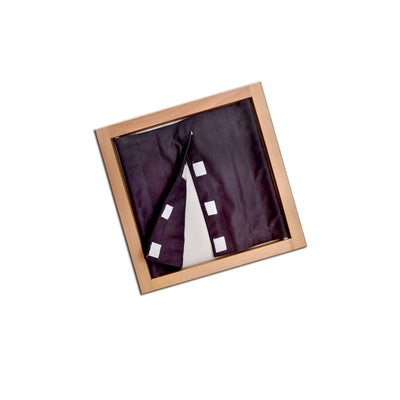
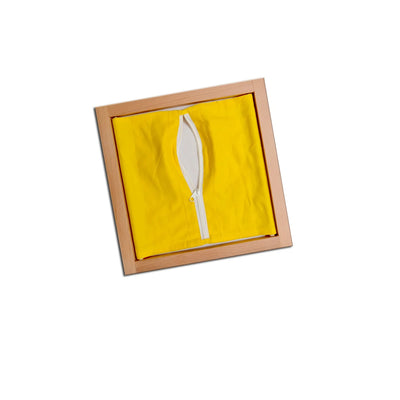
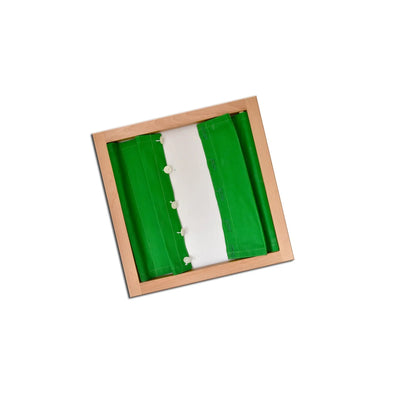
Empowering Self-Care: Toddlers and preschoolers can learn to wash their hands properly, brush their teeth, and even dress themselves. Provide accessible soap, a small stool for the sink, and clothes organized within their reach. For instance, a 3-year-old in a joint family in Pune can feel immense pride helping sort laundry or arranging their shoes, learning self-reliance. These activities enhance fine motor skills and gross motor development as they move about and manipulate objects.
Promoting Active Play and Movement: Beyond structured activities, Montessori emphasizes freedom of movement. Encourage outdoor play in parks or even designated indoor "activityKits" that allow for building and manipulating. Allowing children to explore their physical capabilities, whether it's climbing, running, or carrying a small basket of toys, builds strength and coordination. The Abbott and Sesame Workshop India initiative highlights the importance of making healthy habits engaging, and Montessori's emphasis on "learning by doing" aligns perfectly with this.
Connecting to Real-Life Health: Involve your child in simple household tasks that promote health and hygiene, like wiping up spills, sweeping a small area, or helping to set the table. These aren't just chores; they are exercises in responsibility and contribute to a healthier home environment. When a child helps clean up after a meal, they understand the connection between their actions and a tidy space.
Laying a strong foundation for healthy habits in toddlers and preschoolers is one of the most significant gifts parents can give. By adopting Montessori principles within the Indian home, parents can empower their children with the independence, self-regulation, and love for healthy living that will serve them for a lifetime. These are not just "habits" but deeply ingrained life skills that foster well-being in a rapidly changing world.