Telugu Letters with Pictures: Montessori Learning Guide
To effectively master telugu letters with pictures, parents in India can leverage Montessori-inspired methods that focus on sensory engagement and visual aids, fostering early language development and a strong connection to their cultural heritage. Research consistently shows that a multi-sensory approach significantly enhances letter recognition and retention in young children, establishing a solid foundation for literacy.
What are Telugu Letters?
Telugu letters constitute the alphabet of the Telugu language, a classical Dravidian language spoken predominantly in Andhra Pradesh and Telangana. This phonetic system is crucial for cultural literacy and communication. Indian parents can introduce these letters early to foster bilingualism and cognitive flexibility in their children.
The Foundational Importance of Early Language Immersion for Telugu Kids
Introducing children to the rich world of Telugu letters from an early age is more than just academic; it’s about nurturing their cognitive development and cultural roots within the Indian family structure. Studies indicate that early exposure to multiple languages, like Telugu, enhances problem-solving skills and encourages flexible thinking. For Indian households, especially joint families where grandparents often converse in regional languages, early Telugu literacy strengthens intergenerational bonds and preserves cultural identity during festivals and daily life. Child development experts agree that the period from birth to eight years is a critical window for language acquisition, making targeted engagement with "telugu alphabets for kids" incredibly impactful. This aligns with national initiatives like "Mission Aarambh," which emphasizes strengthening early childhood learning through parental involvement, whether digitally or, crucially, through tangible materials.
Montessori Principles: The Pathway to Learning Telugu for Kids
Maria Montessori's profound insights into child development offer a powerful framework for teaching Telugu letters, emphasizing self-directed activity, hands-on learning, and collaborative play. The Montessori method respects the child's innate desire to learn, providing specially designed "Montessori Telugu materials" that cater to their developmental stages. Instead of rote memorization, children explore letters through touch, sight, and sound, building a deep understanding. This approach stands in contrast to passive digital consumption; as recent reviews suggest, excessive touchscreen exposure might impact children's social development, underscoring the value of tangible, interactive learning experiences.
Tactile and Sensory Exploration with Telugu Letters
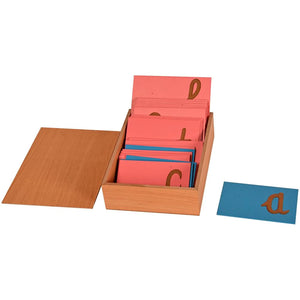
The Montessori philosophy champions learning through the senses. For Telugu letters, this means children don't just see the alphabet; they feel its shape, trace its curves, and hear its sound. Sandpaper letters are a classic example, allowing children to physically engage with the form of each letter. This tactile experience creates strong neural pathways, making letter recognition intuitive and lasting. Engaging with Montessori learning materials like these ensures a rich sensory input, far removed from the concern of children trying to swipe physical books, as reported by The Times of India, highlighting the need for physical interaction with learning tools.
Visual Learning with Telugu Letters with Pictures
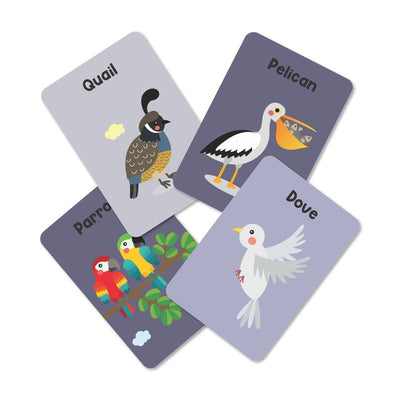
Incorporating telugu letters with pictures is a highly effective Montessori strategy. Children are naturally drawn to images, and associating a familiar object with a letter sound solidifies their understanding. For instance, a picture of 'Amma' (mother) next to the letter 'అ' helps children connect the visual, phonetic, and semantic aspects of the letter. This visual reinforcement is vital for making abstract letter forms concrete and relatable, especially for young learners who are still developing abstract reasoning skills.
Engaging Montessori Activities for Learning Telugu Letters
Creating a stimulating environment at home is key to successful Telugu letter acquisition. These activities are designed to be fun, interactive, and align perfectly with Montessori principles.
Sandpaper Telugu Letters: A Hands-On Approach
Introduce children to sandpaper Telugu letters, tracing each letter with their fingers while sounding it out. This multi-sensory activity helps them internalize the shape and sound simultaneously. Parents can say the phonetic sound, then the letter name, and finally a word starting with that letter, reinforcing pronunciation and vocabulary. This direct, tactile experience builds muscle memory for writing and recognition.
Telugu Letter Puzzles and Sorting Games
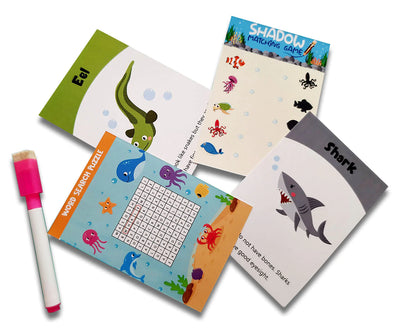
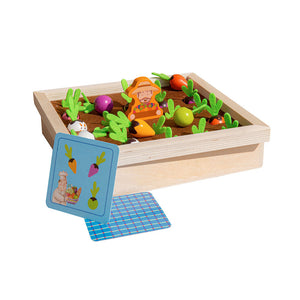
Puzzles are fantastic for developing fine motor skills and problem-solving abilities, while also reinforcing letter recognition. Engaging puzzles featuring Telugu letters, where children match letters to corresponding pictures or slots, makes learning an enjoyable game. Similarly, sorting games, where children categorize objects or pictures by their initial Telugu letter sound, sharpen their auditory discrimination and categorization skills. These activities encourage independent exploration and discovery.
Storytelling and Rhymes in Telugu
Beyond formal activities, immerse children in the Telugu language through stories and rhymes. Reading Telugu children's books, singing traditional Telugu lullabies (జోల పాటలు), and narrating simple stories about daily life or Indian festivals like Diwali or Ugadi, helps children hear letters and words in context. This passive yet immersive exposure builds a robust vocabulary and develops an ear for the language's rhythm and intonation, making future letter learning easier and more meaningful.
Selecting Educational Toys for Telugu Learning
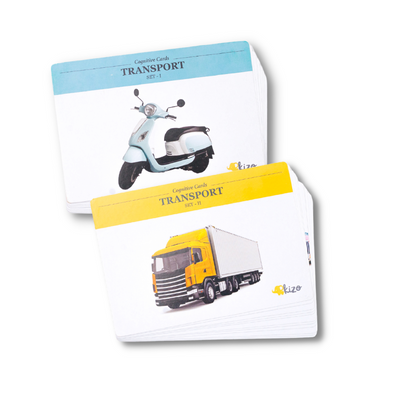
Choosing the right "educational toys for Telugu learning" is crucial for supplementing home activities. Look for toys that encourage active participation and align with Montessori principles. Wooden alphabet tracing boards, flashcards with telugu letters with pictures, and multi-sensory letter manipulatives are excellent choices. These tools provide concrete representations of abstract concepts, allowing children to manipulate and interact with letters directly. When selecting toys, prioritize durable, open-ended materials that foster creativity and prolonged engagement over single-use items.
Balancing Digital and Tactile Learning for Telugu Mastery
While digital platforms offer convenience, the tactile experience of learning Telugu letters remains unparalleled for early childhood development. Recent findings from the "Mission Aarambh" in Punjab highlight the potential of digital platforms to reach parents, but also implicitly underscore the enduring value of hands-on learning, particularly for foundational skills like literacy. Child development research, including systematic reviews on touchscreen exposure, indicates a need for caution regarding excessive digital screen time and its potential impact on social and communication skills. For mastering telugu letters with pictures, a balanced approach is best: use digital tools sparingly for supplementary content, but always prioritize physical Montessori learning materials that allow children to physically interact, trace, and build, strengthening their cognitive and motor skills naturally.
- Early exposure to Telugu letters significantly boosts cognitive and language development in children aged 0-8.
- Montessori methods, with their emphasis on sensory and hands-on learning, are highly effective for teaching regional languages like Telugu.
- Utilizing telugu letters with pictures provides crucial visual cues, making abstract letter forms concrete and relatable for young learners.
- Tactile materials like sandpaper letters and educational puzzles foster fine motor skills and deeper letter recognition.
- Balancing screen time with physical Montessori learning materials is essential for comprehensive early childhood literacy in India.
- Immersing children in Telugu through storytelling and rhymes strengthens cultural identity and provides natural language exposure.
At what age should I start teaching Telugu letters to my child?
Children can begin recognizing and engaging with Telugu letters as early as 18-24 months through sensory play and picture books. Formal introduction to letter tracing and sounds typically starts between 2.5 and 3.5 years, aligning with their sensitive period for language.
Are Montessori Telugu materials truly effective for learning?
Yes, Montessori Telugu materials are highly effective because they utilize a multi-sensory approach, allowing children to see, touch, and hear letters simultaneously. This concrete, hands-on method aids in deeper comprehension and retention compared to rote memorization.
How can I make learning Telugu letters fun and engaging for my child?
Make learning fun by incorporating games, puzzles, and storytelling into your routine. Use colorful flashcards with telugu letters with pictures, sing Telugu rhymes, and encourage tracing activities, allowing your child to explore at their own pace.
What are the benefits of teaching regional languages like Telugu early?
Teaching regional languages like Telugu early enhances cognitive flexibility, improves problem-solving skills, and strengthens cultural identity within Indian families. It also provides a strong foundation for bilingualism and broader linguistic understanding.
How important are "telugu letters with pictures" in early learning?
"Telugu letters with pictures" are critically important as they provide a visual scaffold, connecting abstract letter forms to familiar objects or concepts. This association significantly aids recognition, vocabulary building, and makes the learning process more intuitive and accessible for young children.