Creative Play & Screen Time: A Montessori Guide
Balancing creative play screen time is a pressing concern for parents across India, particularly as the 'Why Play Still Matters in a Screen-Filled Childhood' article in the Deccan Chronicle highlights the essential role of non-digital engagement. Children who consistently have opportunities for imaginative, self-directed play develop stronger cognitive flexibility and problem-solving skills. Montessori education offers a profound framework to nurture this vital balance, encouraging children to explore, create, and discover through hands-on experiences rather than passive consumption.
So, what exactly constitutes creative play? Creative play is any activity where a child uses their imagination to explore ideas, create narratives, or manipulate materials without a predefined outcome. This matters profoundly because it builds neural pathways essential for innovation, critical thinking, and emotional intelligence. For Indian parents, this means creating opportunities for their child to invent their own games with simple items, rather than relying solely on structured activities or digital entertainment.
The Montessori Philosophy: Nurturing Inner Creativity
Maria Montessori believed that children are inherently driven to learn and construct their understanding of the world through purposeful activity. This self-directed exploration, often referred to as 'work,' is the bedrock of creative development. Screens, by their very nature, often present pre-packaged information or entertainment, which can inadvertently bypass a child's innate drive to create and discover independently.
Research indicates that excessive screen exposure, especially in early childhood, can correlate with reduced imaginative play and diminished attention spans. A 2019 review by the Indian Academy of Pediatrics highlighted the growing concern among urban parents about the impact of digital devices on early childhood development. Instead of passively receiving, children need to actively manipulate, question, and imagine to truly flourish.
Montessori Alternatives to Screen Time: Crafting a Rich Environment
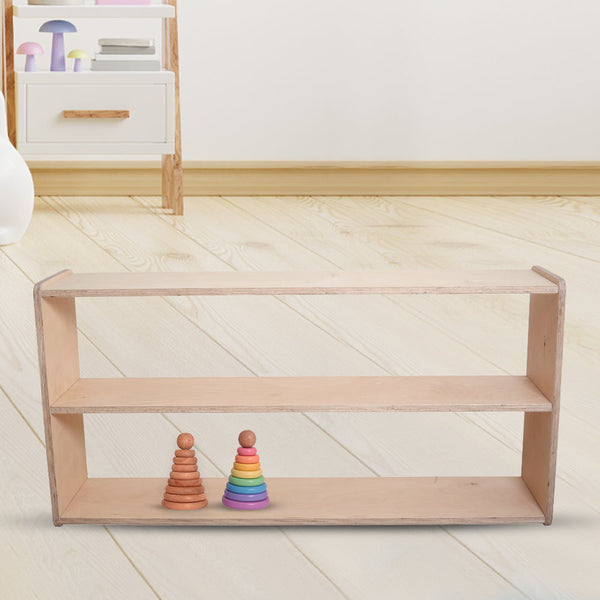
Creating a 'prepared environment' at home, even in a compact Bengaluru apartment or a multi-generational Delhi home, is key to fostering screen-free play ideas. This involves thoughtful selection of toys and materials that invite exploration and creation. Think beyond the digital realm and embrace the tactile.
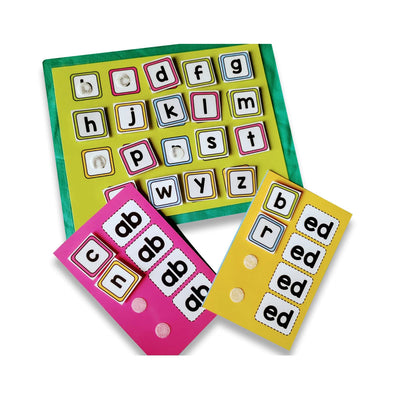
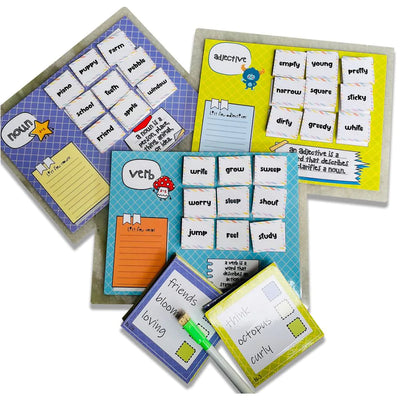
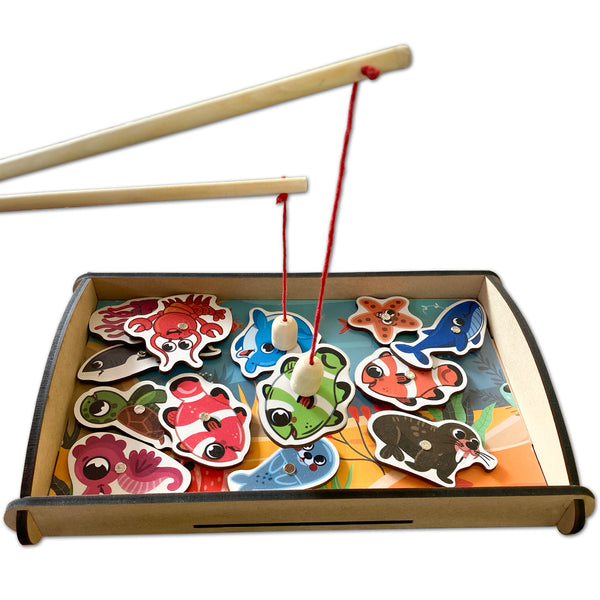
Offer open-ended materials like wooden blocks, art supplies, or simple sensory bins with rice or lentils. A basket of natural objects collected during a walk – pebbles, leaves, small twigs – can spark hours of imaginative world-building. These activity kits or simple collections serve as fantastic Montessori alternatives to screen time, encouraging children to be the architects of their own play.
Embracing Unstructured Play: The Unsung Hero
The true magic of imagination often emerges from moments of unstructured play. This is when a child, perhaps feeling a little 'bored' with nothing immediately prescribed, invents a complex narrative with their dolls or builds an elaborate fort from cushions. Child development experts agree that such undirected play is critical for fostering problem-solving, resilience, and executive functions. It's the moment when a child learns to entertain themselves, to process emotions, and to innovate.
Consider the role of grandparents in many Indian families, who often instinctively encourage such free play, telling stories or engaging in traditional games that require imagination rather than screens. This rich intergenerational interaction provides invaluable opportunities for creative development, supporting the importance of play in the digital age. Simple wooden puzzles, for instance, offer focused engagement and a sense of accomplishment without digital stimulation.
Setting Smart Boundaries for Screen Time
While complete screen avoidance might not be practical for every family, establishing clear and consistent boundaries is paramount. The American Academy of Pediatrics recommends creating a 'media plan' that sets limits on content, duration, and placement of screens. For example, designated screen-free times (during meals, an hour before bed) and zones (bedrooms) can significantly shift the balance towards creative engagement.
Instead of viewing screens as a default activity, treat them as a privilege earned or a tool for specific, educational purposes, always with parental involvement. This mindful approach ensures that screens serve as a supplement, not a substitute, for the rich, hands-on experiences vital for a child's developing mind.
Why Play Matters: A Call to Imagination
The Deccan Chronicle article rightly stresses that play still matters immensely. It's through play that children make sense of the world, test theories, express emotions, and develop empathy. For instance, the '4 creative activities parents can use to help children open up emotionally' article in The Times of India reinforces how play is a language for young minds.
By intentionally carving out space and time for imaginative play, Indian parents are not just filling hours; they are investing in their child's future capacity for innovation, resilience, and joy. This intentionality, rooted in Montessori principles, ensures that children grow into creative, adaptable thinkers ready to navigate a complex world.
Tonight, consider setting a 'screen-free hour' before dinner. Instead of passive viewing, offer your child a simple open-ended material like clay or a set of blocks. Observe what they create, what stories they tell. You might be surprised by the depths of their imagination, just waiting for the space to unfold.