Educational Toys Systematically Build Creative Thinking Skills
Educational toys systematically build core creative thinking skills by providing structured yet open-ended experiences that encourage exploration, problem-solving, and imaginative ideation. These carefully designed tools move beyond simple entertainment, fostering cognitive flexibility and original thought from a young age. By engaging children in purposeful activities, these toys cultivate essential mental processes necessary for innovation and adaptation, preparing them for a world that demands ingenuity.
In today's fast-paced India, where academic excellence often takes centre stage, the call for nurturing creativity is louder than ever. Forbes India rightly states that “Creativity must move from the margins to the mainstream of learning.” As parents in Bengaluru and across India, we yearn for our children to not just succeed, but to thrive as imaginative, innovative individuals. This guide will illuminate how the right educational toys are not just playthings, but powerful catalysts for systematic creative development.
What are Core Creative Thinking Skills?
Core creative thinking skills are the abilities to generate new ideas, connect seemingly disparate concepts, and find original solutions to challenges. This matters because a child's capacity for innovation and adaptability is crucial for future success in a rapidly changing world. Indian parents can actively nurture these skills through purposeful play and educational tools that go beyond rote learning.
The Montessori Approach to Creativity: Nurturing Original Thought
Child development experts agree that a child’s environment plays a crucial role in fostering creativity. The Montessori approach, pioneered by Dr. Maria Montessori, inherently champions this by offering children freedom within a prepared environment. This method doesn't dictate creativity but instead provides the tools and space for it to blossom organically.
Montessori educational toys, like the Pink Tower or geometric solids, are designed to be self-correcting, allowing children to learn from their own discoveries without adult intervention. This self-directed exploration builds confidence in their own ideas and problem-solving abilities, directly feeding into their creative output. Studies indicate that children engaged in open-ended, self-directed play show higher levels of divergent thinking.
The emphasis is on process over product, meaning children are encouraged to experiment and enjoy the journey of creation, rather than striving for a “perfect” outcome. This freedom from judgment is paramount for developing resilient and imaginative thinkers, crucial for a child growing up in a joint family setting where communal learning is often present.
Beyond Memorization: How Educational Toys Foster Imagination Development
Imagination is the bedrock of creativity, allowing children to envision possibilities that don’t yet exist. Educational toys are specifically designed to spark and sustain this vital faculty. Unlike passive entertainment, these toys require active participation, inviting children to project their inner worlds onto the play.
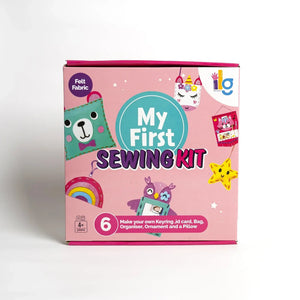
Consider how simple building blocks become elaborate palaces or bustling markets in a child’s mind, or how puppets transform into characters from a grandparent’s folktale. Toys that allow for role-playing, like those from Funskool's new Hello Kitty creative play range or WeCool Toys' Minecraft sets – as recently highlighted in Indian retail news – provide a framework for children to act out scenarios, develop narratives, and explore different perspectives. Such imaginative play with activity kits helps children understand social dynamics and emotional intelligence, alongside pure inventive thinking.
Research shows that children who engage in extensive imaginative play exhibit enhanced problem-solving skills and greater empathy. These experiences help children develop the mental flexibility needed to navigate complex real-world situations, from Bengaluru's bustling streets to India's diverse cultural landscape.
Cognitive Development Toys: Tools for Problem-Solving and Innovation
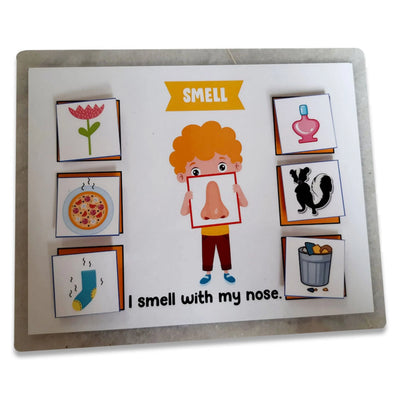
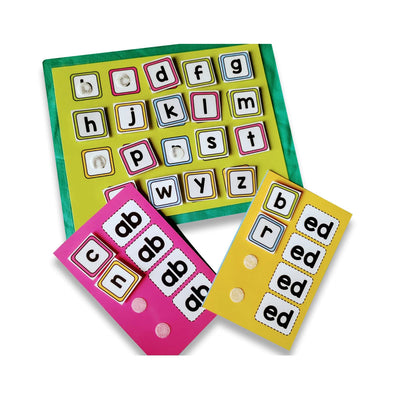
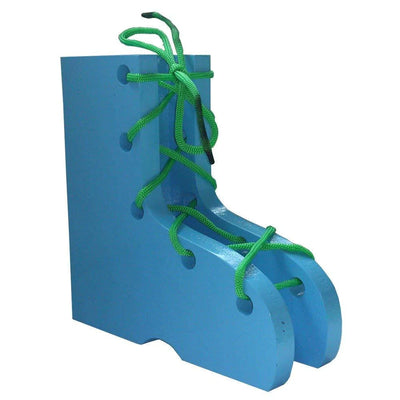
Core creative thinking is deeply intertwined with cognitive development – the process by which children acquire knowledge and problem-solving abilities. Educational toys are often meticulously crafted to challenge a child’s mind, fostering logical reasoning, spatial awareness, and critical analysis. For children aged 18-24 months, simple shape sorters begin this journey, while for those 3-6 years old, complex building sets and puzzles become invaluable.
For example, a child working on a challenging puzzle isn't just fitting pieces; they're analyzing shapes, colors, and patterns, hypothesizing solutions, and learning from trial and error. This systematic approach to problem-solving is a cornerstone of innovation. When a child learns to methodically tackle a cognitive challenge, they are building the mental muscles to approach creative tasks with structure and persistence.
A recent study on early childhood development highlighted that engaging with complex manipulative toys significantly boosts a child’s ability to think divergently and converge on effective solutions, skills essential for future innovators and leaders. This cognitive scaffolding helps children not just “think outside the box,” but to build a better box altogether.
Practical Tips for Indian Parents: Cultivating a Creative Home
Creating an environment that nurtures creativity goes beyond just providing toys; it involves parental engagement and a supportive home atmosphere. Here’s how Indian parents can foster this vital skill:
- Embrace Open-Ended Play: Encourage your child to use toys in ways they weren’t “intended.” A set of wooden blocks can be a fort today, a train tomorrow, and a house for their dolls the day after.
- Value the Process, Not Just the Product: When your child proudly shows you their creation, focus on their effort, imagination, and how they came up with the idea, rather than just praising the “prettiness” of the outcome.
- Read and Tell Stories: Share traditional Indian folktales or create new ones together. This not only sparks imagination but also strengthens family bonds, especially with grandparents joining in.
- Limit Screen Time: Excessive screen time can reduce opportunities for self-directed, imaginative play. Encourage “unplugged” time for exploration and creation.
- Incorporate Everyday Creativity: The Times of India recently discussed creative activities that help children open up emotionally. These simple, everyday interactions – like helping in the kitchen, gardening, or even planning a small family festival celebration – offer real-world creative challenges.
- Provide a “Creative Corner”: Designate a space in your home, even a small one, where your child has access to art supplies, building materials, and their favorite educational toys.
By consciously integrating these practices into daily life, Indian parents can systematically cultivate a deep well of creativity and imagination in their children.
Educational toys are far more than just playthings; they are foundational instruments for developing core creative thinking skills. By understanding their systematic impact on imagination, cognitive development, and problem-solving, parents can make informed choices that empower their children to become the innovative thinkers of tomorrow. Let’s transform playtime into a powerful launchpad for lifelong creativity.
- Educational toys are fundamental tools for cultivating core creative thinking skills in children.
- The Montessori approach emphasizes freedom and exploration, directly nurturing a child's natural creativity.
- Open-ended toys are crucial for imagination development, enabling children to create their own narratives.
- Cognitive development toys like puzzles enhance problem-solving and critical thinking abilities.
- Creating a supportive, non-judgmental environment at home is essential for fostering creativity.
- Integrating play with educational toys prepares children for future innovation, moving beyond rote learning.
What is the best age to start introducing educational toys for creativity?
Research shows that creativity can be nurtured from infancy, with simple sensory toys for babies leading to more complex building sets for preschoolers. Introducing educational toys that encourage exploration and imagination can begin as early as 6-12 months, adapting to the child's developmental stage.
How do Montessori toys specifically enhance creativity?
Montessori toys are designed to be self-correcting and open-ended, allowing children to discover solutions independently and express themselves freely. This approach, advocated by Maria Montessori, fosters intrinsic motivation and encourages children to experiment, which are hallmarks of creative thinking rather than rote instruction.
Are all open-ended toys considered 'educational toys' for creativity?
While many open-ended toys encourage creativity, true educational toys are designed with specific developmental goals in mind, systematically supporting skill acquisition. For instance, wooden blocks are open-ended, but a Montessori Pink Tower also teaches concepts of dimension and order, which are foundational for complex creative problem-solving.
How can parents balance academic pressure with creative play in India?
Indian parents can integrate creative play by viewing it as an essential component of holistic development, not a distraction from academics. Dedicate specific time for open-ended play with educational toys and encourage activities like storytelling or art, which complement formal learning by boosting cognitive flexibility and problem-solving skills crucial for academic success.
What role do cognitive development toys play in fostering imagination?
Cognitive development toys challenge a child's intellect, refining their ability to think abstractly and envision solutions, which are critical for imagination. For example, puzzles require visualizing relationships and problem-solving, directly strengthening the mental faculties used for imaginative storytelling and constructing new ideas.