Homeschooling Curriculum India: Montessori for Creativity
Choosing a homeschooling curriculum in India that truly nurtures your child's potential can feel like a vast expedition. For parents eager to cultivate more than just academic prowess – parents who dream of raising creative, imaginative thinkers – the Montessori method offers a uniquely powerful framework. This approach goes beyond textbooks, fostering a deep love for learning through hands-on exploration and child-led discovery, perfectly aligning with the rich cultural tapestry of Indian homes.
What is Montessori Homeschooling?
Montessori homeschooling is an educational philosophy where children learn at their own pace within a prepared home environment using specific, purpose-driven materials. It prioritises a child's intrinsic motivation and natural curiosity, fostering independence, concentration, and a profound respect for the learning process. Indian parents can adapt this method to their unique family rhythms and cultural values.
Montessori Homeschooling India: A Creative Path
The growing concern over screen-filled childhoods, highlighted recently in publications like the Deccan Chronicle, makes the hands-on, purposeful engagement of Montessori homeschooling particularly relevant. In a Montessori setting, children are not passive recipients of information; they are active constructors of their own knowledge. This active engagement is the very bedrock of creativity.
Child development experts agree that environments offering 'freedom within limits' are optimal for fostering imaginative play. Instead of a rigid curriculum pushing rote memorisation, Montessori allows children to choose their activities, delve into subjects at their own speed, and repeat tasks until mastery. This self-directed exploration builds confidence and fuels innovative thinking, a stark contrast to the often high-pressure, exam-focused traditional schooling prevalent in India.
Cultivating Imagination with Practical Life & Sensory Activities
Many assume creativity stems solely from art, but in Montessori, it's woven into every practical life activity. A child carefully pouring water from one jug to another, meticulously sweeping a small area, or arranging flowers for the family puja is not just building fine motor skills; they are developing concentration, precision, and an appreciation for order. These foundational skills become the mental scaffolding for more complex imaginative play later.
Sensory materials, like the iconic Pink Tower or Knobless Cylinders, are not just about size discrimination. They train the child's mind to observe, classify, and think abstractly. A three-year-old in a Bengaluru home might use the Brown Stair blocks to build a majestic staircase for imaginary elephants, or use the Geometric Solids to design a fantastical city. These "boring" wooden toys, available at SkilloToys, often ignite deeper imaginative play because the child's mind must supply the narrative and purpose, unlike many prescriptive modern toys that dictate the play. Our puzzles also offer a similar blend of logical thinking and creative problem-solving.
Designing Your Creative Homeschool Environment
Creating a prepared environment is fundamental to montessori homeschooling india. This doesn't require a large dedicated room; even a corner in a living room can be transformed. Imagine low, accessible shelves holding a rotation of inviting materials, a small child-sized table, and natural light flooding the space. This order empowers the child, signalling that their work and exploration are valued.
Culturally, this prepared environment can embrace India's richness. Think about incorporating elements like floor seating for work, using traditional fabrics for placemats, or including miniature versions of items found in an Indian kitchen. Grandparents, so often integral to joint families, can become invaluable resources, sharing stories from the Mahabharata or Ramayana, teaching traditional crafts, or involving children in festival preparations – all of which naturally fuel a child's imagination and connection to their heritage.
Creative Homeschooling Activities Beyond the Shelf
While Montessori materials are crucial, creative homeschooling activities extend far beyond them. True imagination blossoms in unstructured moments:
- Process Art: Encourage painting, drawing, or clay modelling without focusing on a "perfect" end product. Let your child explore colours, textures, and forms freely. Creating a vibrant Rangoli with coloured sand or flower petals can be a wonderful cultural artistic expression.
- Nature Exploration: Even in urban India, a balcony garden, a local park, or observing birds from a window offers endless discovery. Collecting leaves, planting seeds, or simply noticing the patterns in a spider's web can spark curiosity and imaginative storytelling.
- Storytelling & Role-Playing: Use puppets, dress-up clothes, or simply your voice to weave tales. Encourage your child to complete stories or invent new ones. Research shows that engaging in imaginative play significantly boosts cognitive flexibility and problem-solving skills.
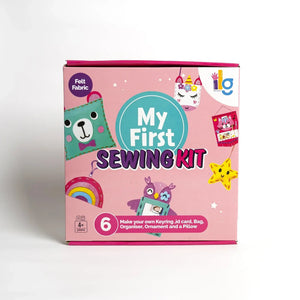
- Music & Movement: Simple instruments, singing traditional lullabies (loris), or dancing to folk music helps children express themselves and connect with rhythm and emotion. SkilloToys offers a range of activity kits that encourage such hands-on creative expression.
Choosing Educational Toys for Homeschooling in India
When selecting educational toys for homeschooling, prioritize those that are open-ended and made from natural materials. Maria Montessori advocated for toys that engage the child's intellect and encourage purposeful activity, rather than passive entertainment. Unlike the fleeting excitement of many electronic gadgets, these foundational toys offer enduring value.
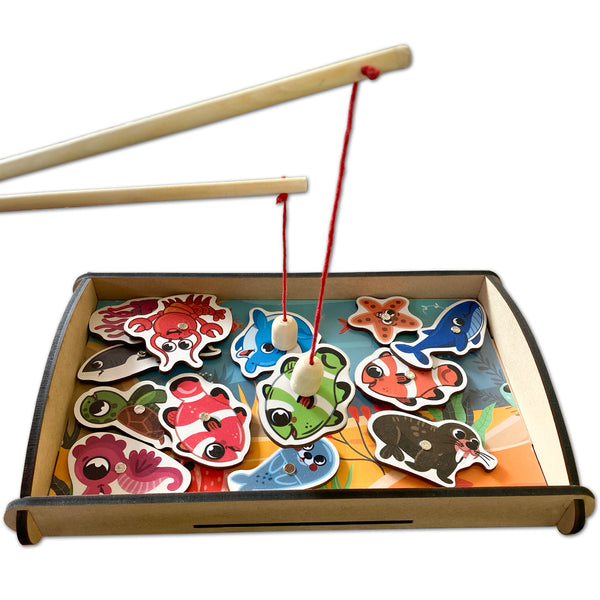
At SkilloToys, you'll find a curated selection of Montessori-aligned materials and wooden toys designed to inspire genuine learning and imaginative play. Look for items that require the child to problem-solve, invent, and create narratives – blocks, sorting trays, stacking games, and practical life sets. These are the tools that empower children to become the architects of their own imaginative worlds, leading to stronger cognitive development and a deeper capacity for innovation.
Overcoming Challenges & Sustaining Creativity
Parents choosing homeschooling curriculum India often worry about socialisation or balancing academic rigor with creative freedom. Montessori addresses this by viewing learning as a holistic process. Regular "playdates" with other homeschooling families, involvement in community activities, and multi-age interactions within the family (with siblings or cousins) provide rich social experiences.
Sustaining creativity is less about planned "craft time" and more about cultivating a mindset. It involves observing your child, understanding their interests, and providing opportunities for deep, uninterrupted engagement. A study published in the Journal of Child Development found that children engaged in open-ended, exploratory play exhibit stronger executive function skills, which are crucial for planning, problem-solving, and creative thinking.
Embrace the unexpected; allow for mess; and remember that the journey of discovery, not just the destination, is where true creativity blossoms. Your home, infused with Montessori principles, can become a vibrant laboratory for imagination and lifelong learning.