DIY Cardboard Dollhouse for Kids: Easy Home Builds
Making a cardboard dollhouse for kids is a truly enriching activity for Indian families, transforming everyday recycled materials into a world of imagination. Child development experts agree that engaging in hands-on projects significantly boosts a child's cognitive development, problem-solving skills, and fine motor abilities. This DIY approach not only provides a fantastic creative outlet but also aligns perfectly with budget-conscious parenting, offering a valuable alternative to expensive store-bought toys, especially when news suggests child enrichment can cost upwards of Rs 1 lakh/year.
A cardboard dollhouse for kids is a versatile, budget-friendly DIY project that transforms recycled materials into a space for imaginative play. It nurtures creativity, fine motor skills, and problem-solving, providing a personalized environment for children to engage in practical life scenarios and narrative development, especially valuable for Indian parents seeking enriching indoor activities.
Why DIY Dollhouse from Cardboard? More Than Just Play
Creating a DIY dollhouse from cardboard is far more than just a craft project; it's a foundational learning experience. Research consistently shows that activities requiring children to plan, execute, and adapt foster crucial executive function skills — the very skills needed for academic success and life's challenges. Maria Montessori herself emphasized the importance of children learning through doing and interacting with their environment.
Consider the busy parents in Bengaluru, juggling work and family life, looking for constructive ways to engage their children indoors, especially during the winter months when outdoor play might be limited. The Economic Times recently highlighted the rising cost of preschool activities, making a strong case for cost-effective, high-impact home projects. A cardboard dollhouse uses readily available materials and allows for open-ended creativity, encouraging children to be the architects of their own play.
How to Make a Dollhouse from Cardboard: A Step-by-Step Guide
Building a dollhouse from cardboard doesn't require advanced crafting skills — just enthusiasm and a few basic materials. Involving your child in every step, from design to decoration, amplifies the developmental benefits. This process sharpens their brain, building skills like spatial reasoning and planning, as reported by The Times of India.
Materials You'll Need:
- Sturdy Cardboard Boxes: Large appliance boxes (fridge, washing machine) are ideal for the main structure. Smaller boxes work for furniture.
- Craft Knife or Box Cutter: For adult use only.
- Scissors: Child-safe scissors for younger helpers.
- Strong Glue: Hot glue gun (adult use), strong craft glue, or masking tape for reinforcement.
- Ruler and Pencil: For measuring and marking.
- Decorating Supplies: Paints, markers, coloured paper, fabric scraps, old magazine cutouts, glitter, buttons — anything to add flair!
Step 1: Design Your Dream Home (and Involve Your Child!)
Start by discussing the dollhouse layout with your child. How many rooms? Where should the windows and doors go? Sketching out the design on paper first helps refine ideas and gives your child a sense of ownership. This early planning stage is a wonderful opportunity to develop cognitive skills and problem-solving as they visualise the structure.
Step 2: Building the Basic Structure
Using the largest cardboard box, decide on the height and width. Cut open the box to lay it flat, then re-fold or cut and glue it into your desired shape. For multi-story dollhouses, cut cardboard pieces for floors and glue or tape them securely inside. For instance, a simple two-story house can be made by placing one horizontal cardboard piece inside a tall box.
You can also use multiple boxes, stacking and attaching them with strong adhesive to create a more expansive structure, perfect for a joint family of dolls! Ensure all connections are reinforced — this is where strong masking tape can be your best friend, holding things in place while glue dries.
Step 3: Adding Rooms, Windows, and Doors
Once the main structure is stable, cut openings for windows and doors. Let your child mark where they want them. Use a craft knife (adult only) for precise cuts. For doors, you can cut three sides and fold the fourth to create a hinge. For windows, you might add plastic film (from packaging) for a "glass" effect. These steps directly engage fine motor skills and spatial awareness.
Step 4: Decorating & Personalising — The Creative Heart
This is where the dollhouse truly comes to life! Offer your child a variety of materials — paints, fabric scraps for curtains or rugs, small boxes for beds or tables. They can draw patterns, glue on textured paper, or create tiny artwork for the walls. This stage encourages immense creativity and allows children to express their aesthetic sense.
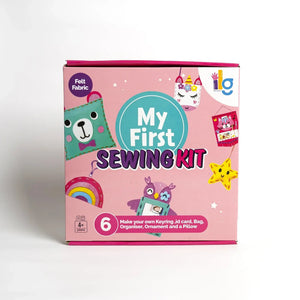
Perhaps a small balcony for festive decorations, or a prayer room for the doll family — these cultural touches make the dollhouse uniquely theirs. You can explore activity kits for diverse crafting supplies that can enhance decoration, promoting even more engagement.
Montessori Dollhouse Ideas: Nurturing Practical Life Skills
A homemade cardboard dollhouse naturally supports Montessori principles by offering a "prepared environment" for imaginative play. Children learn through imitation and hands-on experience. When playing with their dollhouse, they are practicing:
- Practical Life Skills: Arranging furniture, setting up rooms, caring for dolls, simulating daily routines — these mirror real-life responsibilities.
- Language Development: Narrating stories, giving voice to characters, expanding vocabulary as they describe actions and objects.
- Social-Emotional Learning: Role-playing various family dynamics, understanding emotions, and developing empathy.
This open-ended play contrasts with many electronic toys that dictate interaction, giving children the freedom to direct their own learning and play experiences. SkilloToys advocates for toys that inspire independent thought and creativity, much like this DIY project.
The Unseen Value: Executive Function Development
Beyond the visible joy, building an easy DIY dollhouse cultivates crucial executive function skills. Planning the layout, problem-solving when a piece doesn't fit, persisting through the cutting and gluing — these are all mental muscles being flexed. The act of turning a flat piece of cardboard into a 3D structure demands spatial reasoning and an understanding of cause and effect.
For children like 4-year-old Anya in a busy Bangalore apartment, this project provides a calming, focused activity that fosters concentration — a welcome break from the pressures of early schooling or excessive screen time. It's a testament to how Montessori method learning materials and principles can be applied using simple, recycled household items.
Final Touches: Making it Your Own
Don't be afraid to let the dollhouse evolve. Children might add new rooms, redecorate, or create new furniture as their interests change. The beauty of a recycled dollhouse craft is its adaptability and impermanence; it's a project that encourages continuous engagement and creativity. This kind of dynamic, child-led activity is key to keeping a child's enthusiasm and curiosity alive indoors, as highlighted by "The Better India" in a recent article.
So gather those old cardboard boxes, call your little architects, and embark on a rewarding journey of creation and play. You're not just building a dollhouse; you're building skills, memories, and a lifelong love for hands-on learning.