DIY Diwali Activities for Kids: Home Celebrations
Making Diwali meaningful for kids involves more than just fireworks and sweets; it's about engaging them actively in the spirit of the festival. Research shows that DIY Diwali Activities for Kids are incredibly effective in fostering cultural understanding, developing essential skills, and creating cherished family memories. As Indian parents increasingly look for enriching ways to celebrate, this approach ensures a deeper connection to traditions, as highlighted by recent discussions in 'The Better India' on making festivals more significant for children.
DIY Diwali Activities for Kids are hands-on, creative projects that allow children to participate actively in celebrating the Festival of Lights, fostering cultural understanding and family bonding. This matters because active engagement in festive preparations significantly enhances a child's learning and appreciation for traditions. Indian parents can use these activities to create lasting memories and instill values of creativity and community spirit.
Embracing DIY projects transforms your home into a vibrant hub of festive learning and joy. These activities provide a fantastic opportunity to step away from screens, encourage collaborative play within joint families, and teach children about their rich heritage in an interactive way. Child development experts agree that such hands-on engagement is crucial for holistic growth, connecting children to their roots while developing critical life skills.
Engaging Diwali Crafts for Kids at Home
Diwali crafts for kids offer a wonderful avenue for creativity and skill development, transforming simple materials into festive masterpieces. These easy-to-do projects are perfect for a cozy afternoon at home, engaging children of all ages, from toddlers to school-going youngsters. Involve grandparents for an extra layer of storytelling and tradition!
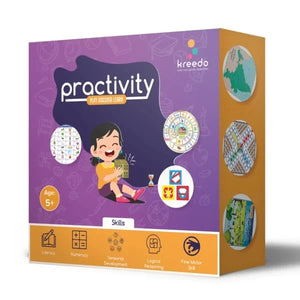
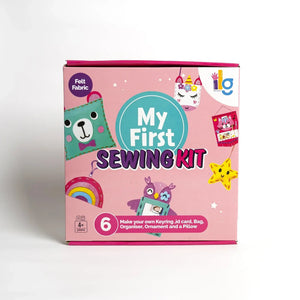
Diya Decoration Delight: Gather plain clay diyas, acrylic paints, glitter, and small mirrors. Children can paint their diyas in vibrant colours, adding sparkle and traditional patterns. This activity significantly enhances fine motor skills and creative expression, turning each diya into a personal symbol of light. For even more creative options, explore various activity kits that include all the necessary craft supplies.
Paper Lantern Creations: Crafting paper lanterns is a timeless Diwali activity. Use colourful chart paper, safety scissors, and glue. Children can cut intricate patterns or simply create colourful strips to weave into beautiful lanterns, perfect for hanging in their rooms or balcony. This activity sharpens hand-eye coordination and spatial reasoning.
Eco-Friendly Rangoli with Natural Materials: Instead of chemical colours, encourage children to create stunning rangoli designs using natural materials like coloured rice, lentils, flower petals, or even spices. This not only introduces them to traditional art forms but also teaches about sustainability and respect for nature. It's a fantastic way to develop pattern recognition and concentration.
Montessori-Inspired Diwali Activities for Deeper Learning
Integrating Montessori principles into your Diwali celebrations provides meaningful Diwali celebration ideas that nurture independence, concentration, and practical life skills. Maria Montessori emphasized learning through doing, and Diwali offers abundant opportunities for this hands-on approach, making it perfect for Indian festival crafts.
Practical Life: Festive Sweet Preparation: Involve your child in making simple Diwali sweets like ladoos or a basic barfi. Tasks such as mixing ingredients, rolling dough, or decorating with dry fruits provide excellent practical life experiences. These activities enhance fine motor skills, mathematical concepts (measuring), and a sense of contribution to the family celebration. Our range of fine motor skill toys can further support these delicate hand movements.
Diwali-Themed Sensory Bins: Create a captivating sensory bin using rice, lentils, whole spices (like star anise, cinnamon sticks), small diyas, and perhaps a few small brass items. Children can explore textures, scents, and colours, engaging multiple senses. This activity is particularly beneficial for younger children (18-36 months), promoting sensory development and language skills as you discuss the items.
Language & Culture: Diwali Storytelling & Card Making: Read books about Diwali, narrate stories of Rama and Sita, or discuss the significance of the festival. Then, encourage children to create their own Diwali greeting cards, drawing scenes or writing messages. This activity boosts literacy, cultural knowledge, and creative expression. Studies show that children engaged in hands-on activities retain information up to 75% more effectively than passive learning.
Creating Meaningful Diwali Celebrations Together
Beyond crafts, fostering a meaningful Diwali experience involves active participation in family traditions and community spirit. These Diwali activities at home are not just about doing; they're about being present and understanding the deeper values of the festival. Research highlights the significant role of cultural celebrations in fostering a strong sense of identity in young children.
Involve in Puja Preparations: Let children help in small, age-appropriate ways with puja preparations, such as arranging flowers, lighting electronic diyas (for safety), or setting out prasad. Explaining the significance of each step fosters respect for traditions and spiritual understanding. This shared experience deepens their connection to cultural practices.
Acts of Kindness and Sharing: Diwali is a festival of giving. Encourage children to choose old toys to donate, help pack food for those less fortunate, or make special treats for elderly neighbours or domestic helpers. This instills empathy, generosity, and the true spirit of Diwali. It teaches them that joy comes from sharing and caring for others.
Family Reflection and Gratitude: Take time as a family to reflect on what Diwali truly means – the triumph of good over evil, light over darkness, and the importance of relationships. Discuss what everyone is grateful for. This practice encourages mindfulness and strengthens family bonds, making the celebrations truly resonate. SkilloToys offers a wide range of Montessori method learning materials and toys that can support reflective play.
By integrating these DIY Diwali activities, Indian parents can ensure their children don't just observe the festival but actively participate, learn, and grow. These hands-on experiences are invaluable, shaping their understanding of culture, developing essential skills, and creating a bank of joyful memories that will last a lifetime. Let's make this Diwali a celebration of creativity, connection, and meaningful learning for every child.
- DIY Diwali activities significantly enhance cultural understanding and family bonding for children.
- Engaging in hands-on festive crafts boosts fine motor skills, creativity, and problem-solving abilities.
- Montessori principles, such as practical life skills and sensory exploration, are seamlessly integrated into Diwali celebrations.
- Involving children in preparing festive sweets or creating rangoli with natural materials fosters independence and sustainability awareness.
- Storytelling and card-making during Diwali improve literacy and deepen cultural appreciation.
- Family involvement in puja preparations and acts of kindness instill respect for traditions and empathy in young minds.
What is the best age for children to start DIY Diwali activities?
Children as young as 18-24 months can participate in simple DIY Diwali activities with supervision, such as touching sensory bins or placing large decorations. Toddlers and preschoolers (2-5 years) benefit greatly from hands-on crafts, while older children (6+) can engage in more complex projects like designing rangolis or creating their own lanterns.
How do DIY Diwali activities contribute to a child's development?
DIY Diwali activities significantly boost fine motor skills through cutting, pasting, and painting, while also enhancing creativity, problem-solving abilities, and cultural understanding. Engaging in these crafts fosters a sense of accomplishment and strengthens family bonds through shared experiences.
Can Montessori principles be applied to Diwali celebrations?
Yes, Montessori principles perfectly align with Diwali celebrations by encouraging practical life skills, sensory exploration, and cultural appreciation. Activities like preparing simple festive snacks, creating a Diwali-themed sensory bin, or engaging in storytelling about the festival directly support a child's natural curiosity and independence.
What are some low-cost DIY Diwali activity ideas for large families?
Low-cost DIY Diwali activities for large families include creating rangoli with pulses and grains, decorating paper diyas with crayons or markers, crafting garlands from newspaper and paint, and making simple festive cards. These activities utilize readily available household materials, making them economical and accessible for everyone.
How can I make Diwali activities truly meaningful for my child?
To make Diwali activities truly meaningful, focus on the 'why' behind the traditions, not just the 'what'. Involve your child in preparations, share stories of Diwali's significance, encourage acts of kindness, and create space for reflection on blessings and family togetherness. This approach instills values beyond just crafting.