DIY Educational Toys for Kids: Fun Learning at Home
Creating engaging educational toys for your child doesn't require a trip to the store; many of the best learning tools are already in your Indian home. Child development experts agree that hands-on learning is paramount for cognitive growth, and homemade educational toys offer a fantastic way to foster curiosity, creativity, and essential skills using everyday materials.
DIY educational toys are simple, handmade learning tools crafted from common household materials, designed to engage children's cognitive, motor, and creative skills. This matters because it provides a cost-effective and personalized way to support holistic development. Indian parents can easily implement these ideas, turning everyday items into exciting learning adventures for their little ones.
The Magic of Homemade Learning: Why DIY Educational Toys Matter
Research consistently shows that active engagement with materials deepens a child's understanding more than passive observation. When children manipulate, build, and explore with homemade items, they're not just playing; they're actively constructing knowledge. Maria Montessori, a pioneer in early childhood education, famously stated, "The hands are the instruments of man's intelligence," underscoring the vital role of tactile experience in learning.
For Indian families, the 'jugaad' spirit of resourcefulness is deeply ingrained. Making homemade educational toys taps into this very ethos, teaching children the value of repurposing and creativity from a young age. It's also a wonderful way to bond, creating shared experiences and memories as you build and learn together.
Simple Learning Toys DIY for Every Age & Stage
Whether you live in a bustling Bengaluru apartment or a sprawling joint family home, there are countless ways to create impactful learning toys DIY that fit your space and your child's developmental needs.
For Toddlers (1-3 Years): Sensory & Fine Motor Fun
Toddlers are sensory explorers, learning through touch, sight, and sound. Simple activities can make a big difference. For instance, create a 'sorting pulses' activity using small bowls and different types of dals (toor, moong, chana). Your child can use their tiny fingers or even child-safe tweezers to sort them, developing crucial fine motor skills and early classification concepts. Remember to supervise closely to prevent choking hazards.
Another fantastic idea is a 'texture matching' game. Cut various fabric scraps – velvet from an old blouse, silk from a sari pallu, coarse jute, soft cotton – and glue them onto cardboard squares. Your child matches identical textures while exploring different sensations, boosting their tactile discrimination and vocabulary.
For Preschoolers (3-6 Years): Cognitive & Creative Boosters
As children grow, their imagination blossoms, and they begin to grasp more complex ideas. A large cardboard box can be transformed into anything – a puppet theatre, a rocket ship, or even a mini market stall where they can 'sell' fruits and vegetables, practicing social skills and basic math. You can find more inspiration for creative activity kits that encourage imagination.
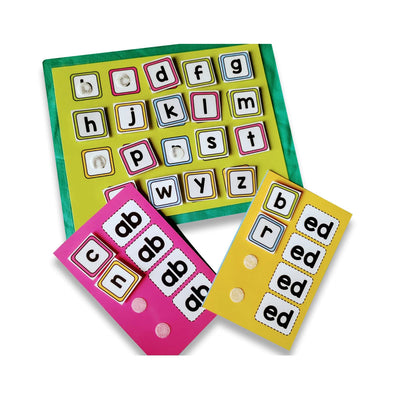
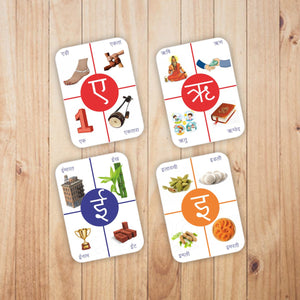
For early literacy, make DIY alphabet or number matching cards. Write letters/numbers on cardboard cutouts and have your child match them to corresponding pictures or quantities of small objects. This reinforces recognition and builds pre-reading and pre-math skills without the pressure of formal lessons, which often looms for Indian children even before school.
For Early Schoolers (6+ Years): Problem-Solving & STEM Sparks
For older children, DIY projects can introduce early STEM concepts in an engaging way. Building a simple catapult from craft sticks and rubber bands teaches principles of force and trajectory. A 'bottle cap math game' involves writing numbers on bottle caps and having children solve equations by arranging them, making math tangible and fun.
You can also create a DIY nature exploration kit using an old shoebox, a magnifying glass, and a small journal. Encourage them to collect leaves, flowers, or interesting pebbles during their evening walks or trips to the local park. This fosters observation skills and a connection to their environment, akin to many Montessori learning materials that promote nature study.
Weaving Indian Culture into Your DIY Creations
Our rich Indian heritage offers endless inspiration for homemade educational toys. Instead of generic themes, incorporate elements from our festivals, traditions, and daily life. For instance, create colourful 'rangoli' patterns using different coloured sand or pulses on a tray, developing fine motor skills and an appreciation for art. This connects directly to the vibrant festivals celebrated in almost every Indian household.
Puppets made from old socks or fabric scraps can become characters from Jataka tales or Panchatantra stories, often narrated by grandparents. This encourages storytelling, language development, and the preservation of cultural narratives. Even creating miniature versions of common household items found in an Indian kitchen, like tiny rolling pins (belan) and dough (atta), helps children practice practical life skills in a culturally relevant context.
Ensuring Safety and Longevity for Your DIY Toys
While the joy of DIY is boundless, safety is paramount. Always use non-toxic glues and paints, especially for items toddlers might put in their mouths. Ensure there are no sharp edges or splinters, sanding wooden items thoroughly. For younger children, avoid small parts that could pose a choking hazard. Regularly check homemade toys for wear and tear, and discard anything that becomes unsafe.
Embracing the world of DIY educational toys is a powerful way for Indian parents to provide rich, stimulating learning experiences for their children. It's about more than just saving money; it's about nurturing creativity, strengthening family bonds, and instilling a lifelong love for hands-on discovery. So, open your cupboards, gather your materials, and let the learning adventure begin!