Imaginative Play: Fostering Empathy & Kindness in Kids
Imaginative play is a powerful catalyst for cultivating imaginative play empathy kindness in children, offering them a canvas to explore emotions and social dynamics. This creative process is not just about fun; it's a foundational pathway for building vital social-emotional intelligence, helping our young ones, from a Bengaluru apartment to a sprawling joint family home, to truly connect with the world and people around them. As the KidZania India and Magic Bus India Foundation initiative recently highlighted, fostering empathy and kindness through creative expression is gaining well-deserved attention, reflecting a growing societal need to nurture compassionate future citizens.
Imaginative play is when children engage in pretend scenarios, creating their own narratives and characters, often with simple props or none at all. This matters immensely because it provides a safe space for them to practice social interactions, process complex emotions, and understand different viewpoints without real-world consequences. Indian parents can actively encourage this by providing open-ended materials and joining in with gentle prompts that spark deeper thought and engagement.
Montessori's Vision for Social Emotional Development Through Play
Maria Montessori firmly believed that children thrive when given freedom within limits, and this philosophy extends profoundly to their Montessori social emotional development. In a Montessori environment, imaginative play isn't a distraction; it's a deliberate tool for cultivating inner discipline, problem-solving skills, and a deep understanding of self and others. For instance, a child caring for a baby doll might be practicing the nurturing roles they observe in their dadi or parents, internalizing acts of kindness and responsibility.
Montessori education, popular in cities like Bengaluru, encourages children to engage with practical life materials and sensorial exercises that indirectly prepare them for complex social interactions. These activities, like pouring water or buttoning clothes, build concentration and independence, which are precursors to developing the patience and self-awareness needed for empathy. Research indicates that children in Montessori settings often demonstrate enhanced social skills and emotional regulation compared to those in traditional environments.
Stepping into Another's Shoes: Role Play for Empathy
Role play for empathy is perhaps one of the most direct ways children learn to understand others. When a child pretends to be a doctor caring for a sick teddy bear, or a shopkeeper negotiating with a customer, they are not merely playing; they are stepping into another's shoes, experiencing a different perspective, and processing emotions that might be unfamiliar. This active engagement is far more impactful than simply being told to 'be kind.'
Consider a scenario: a child repeatedly acts out a character who is angry or 'naughty' in their play. While parents might instinctively want to correct this, child development experts agree this is a crucial form of processing. This non-obvious insight reveals that by embodying these challenging emotions in a safe, fictional space, children are actually exploring the consequences of such behaviour, understanding why certain actions might hurt others, and ultimately developing a deeper sense of empathy for both the 'perpetrator' and the 'victim.' It's how they grasp the complexity of human interaction, a key aspect of genuine kindness.
Creative Expression & Kindness Activities for Kids
Nurturing creative expression children engage in directly fuels their capacity for empathy. Whether it's painting a picture for a grandparent, building a community out of activityKits, or creating a story about helping a friend, these acts involve thinking beyond themselves. The recent buzz around Funskool bringing Hello Kitty to India with a creative play range is a testament to the value placed on imaginative outlets for children.
To foster kindness activities for kids at home, consider setting up a 'Kindness Corner' with simple props like old clothes for dress-up, small world figures for narrative play, or even a 'post office' for drawing cards for family members. Encourage scenarios where characters help each other, share, or resolve conflicts. Using open-ended toys like puzzles or wooden blocks allows children to construct their own worlds and challenges, organically integrating acts of kindness into their narratives.
Creating a Home Environment for Empathetic Play
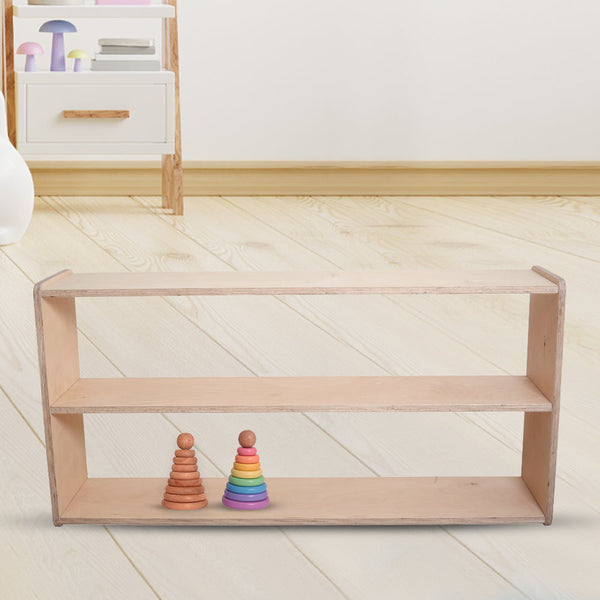
The home environment plays a significant role in fostering imaginative play and, consequently, empathy. As Architectural Digest India highlights various clever design ideas for kids' rooms, remember that designated, clutter-free spaces encourage deeper engagement. A cosy corner with a few baskets of open-ended toys is often more conducive to imaginative play than a room overflowing with single-purpose items. This provides the 'prepared environment' that Montessori advocates for, allowing children to choose their activities and direct their learning.
For parents juggling school pressures and busy schedules in metros like Bengaluru, dedicating even short bursts of time to observe and participate in imaginative play can be transformative. Rather than always directing, try asking your child tonight during dinner, 'If your favourite toy could talk, what kind of day would it have had today?' This simple prompt encourages perspective-taking and imaginative thought, setting the stage for deeper empathy to blossom naturally.