DIY Diwali Activities for Kids: Meaningful Home Celebrations
Creating a truly meaningful Diwali for your children involves hands-on engagement and cultural immersion, and this is definitively achieved through well-planned DIY Diwali activities for kids. These activities empower children to actively participate in traditions, fostering a deeper understanding and appreciation for the festival's rich heritage.
Meaningful Diwali celebrations for children are experiences that go beyond mere festivities, focusing on practical involvement and cultural understanding. This matters profoundly because such engagement nurtures a child's identity, connecting them to their roots and community. Indian parents can achieve this by integrating age-appropriate, hands-on projects that reflect the spirit of Diwali.
Embracing Montessori Principles for a Hands-On Diwali
Maria Montessori's philosophy, deeply rooted in fostering independence and practical life skills, offers a profound framework for engaging children in Diwali preparations. By involving children in authentic tasks, we not only teach them about the festival but also empower their self-reliance and cognitive development. Child development experts agree that such purposeful work builds concentration and a sense of accomplishment, aligning perfectly with Montessori learning materials.
For instance, young children aged 2-4 years can participate in simple sorting activities, like categorizing different types of dry fruits or helping to arrange pooja items with guidance. Older children, 5-8 years, can take on more complex tasks, such as measuring ingredients for sweets or carefully placing rangoli colours. These experiences naturally enhance fine motor skills and hand-eye coordination.
This approach transforms Diwali from a passive holiday into an active learning journey. Studies consistently show that cultural engagement from a young age significantly boosts a child's sense of identity and belonging, a priority for Indian parents nationwide. These hands-on experiences ensure Diwali becomes a truly meaningful celebration.
Crafting Joy: Engaging Diwali Crafts for Kids
Diwali crafts for kids are more than just artistic endeavors; they are a bridge to cultural learning and creative expression. Engaging in these activities allows children to understand the symbols and stories behind Diwali in a tangible way. Research shows that children involved in hands-on activities exhibit improved cognitive development and problem-solving skills, making craft time invaluable.
Consider making traditional clay diyas from scratch. Children can mold the clay, then paint and decorate their creations with vibrant colours and glitter, transforming simple objects into beautiful festive decor for their homes. Another wonderful activity is creating personalized Diwali cards for grandparents or relatives, fostering both artistic skill and family connections.
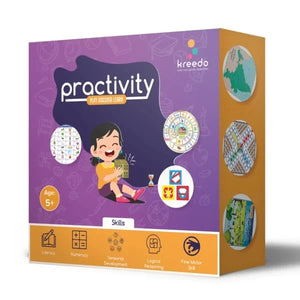
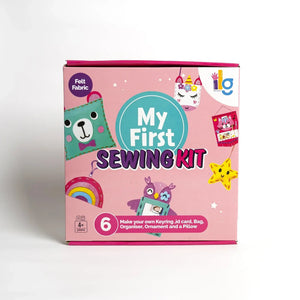
A popular activity for all ages is crafting a "Welcome Toran" for the main entrance using fresh marigold flowers and mango leaves, or even vibrant paper cutouts. These decorative garlands teach children about traditional Indian aesthetics while enhancing their dexterity. Explore various activity kits that provide all the necessary materials for such engaging projects, ensuring an enriching experience.
Practical Life Skills: Diwali Prep Made Fun
Diwali preparations offer a treasure trove of opportunities to introduce practical life skills, empowering children with a sense of contribution and capability. In Montessori pedagogy, practical life activities are crucial for developing concentration, coordination, independence, and order. This is particularly relevant in bustling Indian homes during festival times, where joint families often share responsibilities.
Children can help with light cleaning tasks, like dusting shelves or wiping down surfaces, using child-sized tools designed for their grip. They can also assist in the kitchen, washing fruits or helping to mix ingredients for simple Diwali sweets under supervision. These seemingly small tasks instill a sense of responsibility and show them their efforts are valued within the family unit.
Furthermore, involving children in setting up the pooja area, arranging the lamps, or even neatly folding napkins for guests helps them understand the order and sequence of tasks. Such participation makes the festival feel truly theirs, fostering a deep connection beyond just receiving gifts.
Storytelling & Reflection: Building Meaningful Diwali Memories
Beyond the lights and sweets, Diwali is a festival rich with stories, values, and traditions that can be profoundly meaningful for children. Engaging in storytelling and reflection helps children grasp the cultural significance of the festival, transforming it from a mere holiday into a profound learning experience. This aligns directly with the goal of creating "How to Make This Diwali More Meaningful for Your Kids".
Gather the family, especially grandparents, to narrate tales from the Ramayana, focusing on Lord Rama's return and the victory of good over evil. Encourage children to draw what they hear or act out scenes from the epic. Afterwards, facilitate a discussion about the values embedded in these stories, such as courage, honesty, and compassion, making the abstract concrete for young minds.
Another powerful activity for building meaningful Diwali activities for children is creating a "Gratitude Jar" where family members write down things they are thankful for leading up to Diwali. On the main day, read these notes aloud, emphasizing the importance of gratitude and sharing joy. This practice reinforces positive emotional development and strengthens family bonds, essential for every Indian household.
Sustainable Celebrations: Eco-Friendly DIY Ideas
Teaching children about sustainability during festivals like Diwali is a vital aspect of modern parenting, preparing them to be responsible global citizens. Eco-friendly DIY Diwali activities provide hands-on lessons in environmental consciousness, promoting thoughtful consumption and creativity. Studies consistently show that early exposure to environmental stewardship fosters lifelong habits, crucial for the next generation.
Encourage children to make decorations using recycled materials such as old newspapers, cardboard, or fabric scraps. They can create colorful paper lanterns, decorative wall hangings, or even small gift bags. This not only reduces waste but also sparks immense creativity, demonstrating that beautiful things don't always require new purchases and encouraging resourcefulness.
Consider making "seed crackers" – small, decorative paper packets filled with native plant seeds instead of traditional fireworks. These can be "burst" by tearing them open, scattering seeds that will grow into new plants, offering a symbolic and environmentally positive way to celebrate the festival of lights. This teaches ecological responsibility in a fun, impactful way, aligning with Montessori Diwali ideas for conscious living.
- DIY Diwali activities for kids definitively enhance cultural understanding, foster practical life skills, and boost cognitive development.
- Montessori principles, emphasizing hands-on learning and independence, align perfectly with meaningful Diwali preparations.
- Engaging children in traditional Diwali crafts, like diya painting or toran making, stimulates creativity and refines fine motor skills.
- Incorporating children into Diwali household tasks, such as cleaning or arranging pooja items, builds confidence and a sense of responsibility.
- Storytelling about Diwali traditions, especially with grandparents, strengthens family bonds and instills core values.
- Eco-friendly DIYs, like making decorations from recycled materials or seed crackers, teach sustainability alongside cultural celebration.
What are some easy DIY Diwali activities for toddlers?
Easy DIY Diwali activities for toddlers include simple sorting of colourful objects, painting large paper diyas, or helping to place marigold petals for a small rangoli. These activities focus on sensorial exploration and basic practical life skills suitable for their age.
How can Montessori principles be applied to Diwali celebrations?
Montessori principles are applied by involving children in practical, purposeful Diwali tasks like cleaning, preparing sweets, or decorating with child-sized tools and materials. This fosters independence, concentration, and a deeper understanding of cultural traditions through hands-on experience.
Why is it important for kids to participate in Diwali preparations?
It is important for kids to participate in Diwali preparations because it connects them to their cultural heritage, develops a sense of belonging, and builds practical life skills. Active involvement transforms passive observation into meaningful engagement, creating lasting memories and understanding.
What kind of eco-friendly Diwali crafts can children make?
Children can make eco-friendly Diwali crafts such as lanterns from recycled paper, decorative wall hangings from fabric scraps, or seed crackers. These activities promote creativity, teach waste reduction, and encourage environmental consciousness in a festive context.
How do DIY Diwali activities help in child development?
DIY Diwali activities significantly aid child development by enhancing fine motor skills, fostering creativity, improving problem-solving abilities, and building cultural literacy. They also boost independence and self-confidence as children contribute meaningfully to family celebrations.