DIY Screen-Free Educational Games for Kids
In an age where screens often dominate children's attention, discovering engaging DIY screen-free educational games is a priority for many Indian parents. Research shows that hands-on, interactive play is crucial for holistic child development, fostering creativity and critical thinking. These homemade learning games offer a fantastic way to engage your child meaningfully, moving beyond passive consumption to active learning.
What Are DIY Screen-Free Educational Games?
DIY screen-free educational games are homemade activities crafted from common household materials that stimulate a child's cognitive, physical, and emotional development without requiring digital devices. This matters because they promote active learning, problem-solving, and imaginative play, which are foundational for lifelong learning. Indian parents can easily implement these games to reduce screen time and enrich their child's daily experiences, often with the help of grandparents.
Why Embrace Screen-Free Learning Games in Indian Homes?
In the bustling landscape of Indian homes, balancing school pressure with meaningful playtime is a constant challenge. Studies indicate that excessive screen time can impede a child's attention span and social skills. Embracing screen-free learning games provides a vital alternative, especially as parents seek '8 Screen Free Activities To Try With Your Child' highlighted in recent news, aligning with the spirit of Children's Day and making festivals like Diwali more meaningful. These activities cultivate patience, concentration, and fine motor skills.
Child development experts agree that children learn best through direct experience and exploration. Montessori philosophy, championed by Maria Montessori, emphasizes prepared environments and self-directed activity. DIY screen-free games naturally align with this, transforming everyday items into tools for discovery. From a simple rangoli design that teaches symmetry to a vegetable sorting game, possibilities are endless.
Boost Fine Motor Skills with Homemade Learning Games
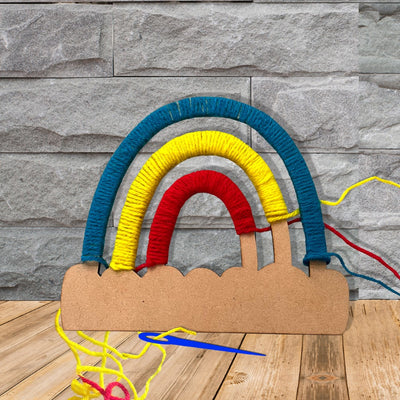
Developing fine motor skills is fundamental for young children, impacting everything from writing to self-care. Crafting make your own learning games focused on manipulation and precision offers an excellent solution. For instance, a 'Button Sorting Tray' using different sized buttons and muffin tins helps with classification and pincer grasp. Another idea is a 'Lacing Card' made from recycled cardboard, where children thread yarn through punched holes, enhancing hand-eye coordination.
For children aged 3-6 years, these activities are invaluable. Providing a variety of textures and sizes, much like the meticulously designed fine motor skill toys at SkilloToys, prepares them for academic challenges. Parents often find that children are more engaged with games they helped create, fostering a sense of ownership and achievement.
Engaging Educational Activities Without Screens: Simple Ideas
Creating educational activities without screens doesn't require elaborate materials. Often, the best games come from what's already around your home, sparking creativity and resourcefulness. These activities provide a rich learning environment that supports cognitive growth and problem-solving abilities.
DIY Literacy and Numeracy Adventures
Transform learning letters and numbers into an exciting quest. For a 'Match the Letter' game, cut old newspapers or magazines to find specific letters, then match them to a homemade alphabet chart. Similarly, for numeracy, use bottle caps with numbers written on them for counting games or simple addition. Children can arrange them in sequences or create number bonds.
Another fantastic idea for indoor educational games kids will love is a 'Storytelling Jar.' Write different characters, settings, and objects on slips of paper. Children pick one of each and weave their own imaginative tales, developing language skills and creativity. This is particularly delightful when shared with grandparents during an evening, keeping alive the tradition of storytelling.
Practical Life Skills: The Montessori Way at Home
Maria Montessori emphasized practical life activities as central to a child's development, building independence and concentration. Many can be easily turned into Montessori learning games DIY style. Consider a 'Transferring Station' using a small jug of water and two cups, teaching pouring skills, or a 'Sorting Lentils' activity using different types of dals from the kitchen, enhancing discrimination and concentration. These activities not only teach life skills but also improve focus.
These hands-on experiences are invaluable. SkilloToys offers a range of Montessori method learning materials that complement these DIY efforts, providing structured alternatives for specific learning outcomes. Remember, the goal is purposeful activity that allows the child to learn through doing.
Creative Play with Activity Kits at Home
For those times when you want a structured yet creative screen-free option, adapting pre-made activityKits can be incredibly beneficial. For example, use parts of a craft kit to create your own imaginative scenes, encouraging open-ended play rather than following strict instructions. Or, take a science kit and extend its experiments with additional household items, fostering curiosity beyond the initial scope.
A simple 'Cardboard Box Fort' can become a canvas for imagination, a reading nook, or even a mini market stall. Children can decorate it, adding elements that reflect their current learning interests – be it planets, animals, or letters. This transforms a mundane object into a grand adventure, promoting dramatic play and social interaction, especially when siblings or cousins join in.
The Enduring Impact of DIY Screen-Free Learning
The commitment to providing screen-free learning games is a gift that keeps on giving. It’s an investment in a child’s intrinsic motivation, their ability to innovate, and their capacity for deep engagement. As Indian families navigate the demands of modern life, these simple, self-made games offer a powerful antidote to digital overload, fostering genuine curiosity and a love for learning.
- DIY screen-free educational games are essential for holistic child development, promoting active learning.
- Excessive screen time can negatively impact children's attention spans and social skills, making screen-free alternatives vital.
- Montessori philosophy advocates for hands-on, self-directed learning experiences, which DIY games perfectly embody.
- Engaging in practical life activities like sorting and pouring significantly boosts independence and concentration in young children.
- Homemade literacy and numeracy games, using common household items, effectively enhance cognitive and fine motor skills.
- Family involvement, especially from grandparents, enriches screen-free play with cultural stories and traditional games.
What are the benefits of DIY screen-free educational games?
DIY screen-free educational games significantly boost cognitive development, problem-solving skills, and creativity. They also foster stronger parent-child bonds and encourage independent thinking, aligning perfectly with Montessori principles.
How can I make learning fun without screens for my child?
Making learning fun without screens involves creating hands-on activities that spark curiosity and allow for self-directed exploration. Incorporate everyday household items into games that teach numeracy, literacy, and practical life skills, making education an enjoyable discovery.
What age groups are suitable for DIY educational games?
DIY educational games are suitable for a wide range of age groups, from toddlers (18-24 months) engaging with sensory play to primary school children (6-10 years) enjoying more complex problem-solving challenges. Activities should always be age-appropriate and safely supervised.
Are DIY learning games as effective as store-bought educational toys?
Absolutely, DIY learning games can be incredibly effective, often surpassing store-bought options by being highly customizable to a child's specific interests and developmental stage. They promote resourcefulness and creativity in both parents and children, reinforcing learning concepts practically.
How can grandparents get involved in screen-free activities?
Grandparents can play a vital role by sharing traditional stories, teaching cultural games like carrom or pallanguzhi, or engaging children in practical activities like cooking or gardening. Their wisdom and experience offer invaluable screen-free learning opportunities and strengthen family bonds.