Educational Toys for Kids: DIY Ideas at Home
DIY educational toys for kids are handmade learning tools crafted from common household materials, designed to foster cognitive, motor, and socio-emotional development through play. These homemade wonders provide a cost-effective and engaging alternative to store-bought options, particularly valuable for Indian parents seeking meaningful screen-free activities this festive season, promoting hands-on learning and family bonding.
As Children's Day approaches, or as you plan for a more meaningful Diwali beyond just crackers, transforming everyday items into learning opportunities can be incredibly rewarding. It’s a brilliant way to engage children and nurture their inherent curiosity.
What Are DIY Educational Toys?
DIY educational toys are self-made playthings specifically designed to teach children new concepts and skills using readily available resources. This matters because hands-on creation deepens understanding and sparks curiosity. Indian parents can empower their children with tailor-made learning experiences that are both personal and incredibly effective.
These activities encourage a child's natural inclination to explore and experiment, turning mundane objects into tools for discovery. It’s about building, imagining, and problem-solving together, which are foundational skills for lifelong learning.
The Transformative Power of Homemade Learning Toys
Research from early childhood development studies consistently shows that hands-on learning, particularly through play, significantly enhances cognitive and creative abilities in children. Homemade learning toys are potent catalysts for this development, offering unique benefits that store-bought options sometimes miss.
These projects empower children to be creators, not just consumers, fostering ingenuity and problem-solving skills. Moreover, the process of making these toys together becomes a cherished memory, strengthening family bonds and offering wonderful screen-free activities, aligning perfectly with SkilloToys' Montessori mission.
Essential Materials for Your DIY Educational Toys Toolkit
You don't need fancy supplies to create impactful learning tools. The beauty of make educational toys at home lies in repurposing common items found in every Indian household. This approach not only saves money but also teaches children about sustainability and resourcefulness.
Gather materials like old cardboard boxes from online deliveries, empty plastic bottles, bottle caps, ice cream sticks, fabric scraps from old sarees or dupattas, lentils, dry beans, colourful bangles, and even old newspapers. Always ensure materials are clean, safe, and non-toxic, especially if they are meant for younger children who might put them in their mouths.
DIY Educational Toys: Simple Ideas for Every Age Group
Let's dive into some practical and engaging ideas for DIY educational toys that you can craft right at home. These projects are designed to be achievable and fun, using items you likely already have.
For Toddlers (18-36 months): Exploring Senses and Fine Motor Skills
Toddlers are naturally curious, and simple, safe toys can significantly aid their sensory and motor development. These ideas are perfect for their exploratory stage.
- Sensory Bottles: Fill clean plastic bottles with water, glitter, oil, food colouring, or small beads (sealed tightly!). These provide visual stimulation and help understand concepts like density and motion.
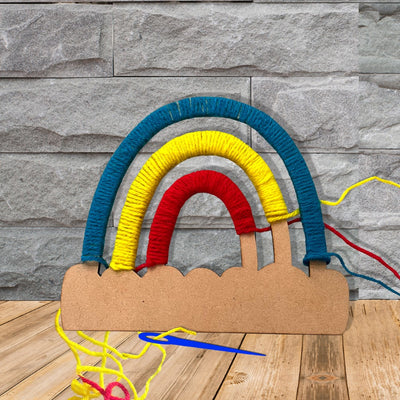
- Button Snakes / Lacing Cards: Cut animal or shape outlines from cardboard. Punch holes around the edges and provide shoelaces or thick yarn for lacing. Older children can use buttons to thread onto ribbon, developing excellent fine motor skills and hand-eye coordination.
- Shakers with Lentils/Rice: Re-purpose old spice boxes or small plastic containers. Fill them with different lentils, rice, or small stones for varying sounds. This helps develop auditory discrimination and rhythm.
For Preschoolers (3-5 years): Building Cognitive and Pre-Reading Skills
Preschoolers are ready for more structured play that builds on foundational cognitive skills. These activities encourage matching, sorting, and early literacy.
- Colour Sorting & Matching: Use an egg carton or a cardboard box divided into sections. Paint each section a different colour. Ask your child to sort colourful bottle caps, bangles, or pom-poms into the corresponding sections, reinforcing colour recognition.
- DIY Alphabet/Number Puzzles: Cut out large letters or numbers from old calendar pages or cereal boxes. Cut each into 2-3 unique puzzle pieces. Children piece them together, learning letter and number recognition in a tactile way.
- Story Stones: Collect smooth pebbles and help your child paint simple objects, animals, or characters on them. These become prompts for storytelling, fostering imagination and language development. Consider exploring our activity kits for similar creative inspiration.
For Early Primary (6-8 years): Encouraging Problem-Solving and Creativity
Children in early primary school thrive on projects that involve construction, scientific exploration, and imaginative play. These ideas challenge their growing intellect.
- Cardboard Box Forts/Puppet Theatres: Large appliance boxes can be transformed into magnificent forts, houses, or even puppet theatres. This encourages architectural thinking, role-play, and dramatic storytelling, perfect for siblings or joint family fun.
- DIY Science Kits: Create simple science experiments like a baking soda volcano, a homemade periscope from cardboard tubes, or a simple pulley system. These introduce basic scientific principles in an engaging, hands-on manner.
- Homemade Board Games: Design a simple board game on a large piece of cardboard with your child. Let them decide the rules, path, and challenges. Use buttons or small stones as counters. This teaches turn-taking, strategy, and number recognition, much like our Montessori learning materials.
Montessori Toys DIY: Nurturing Independence and Concentration
Maria Montessori, a pioneer in child education, emphasized learning through self-directed activity, hands-on experience, and collaborative play. Montessori toys DIY naturally align with this philosophy, allowing children to learn at their own pace and discover concepts through manipulation.
Studies show children engaged in self-directed, purposeful play develop stronger executive functions, including focus and problem-solving. When you create a DIY material, you can tailor it precisely to your child's developmental stage, making it perfectly challenging without being overwhelming, just like classic Montessori materials such as the pink tower or sandpaper letters.
Tips for Indian Parents: Making DIY Learning a Family Affair
Incorporating homemade learning toys into your routine is simpler than you think. In many Indian homes, recycling and repurposing are already a way of life, making these activities feel natural and integrated.
Involve grandparents in the creation process; their wisdom and patience can add another layer of bonding and cultural storytelling. Use festival themes – creating Diwali lanterns or Ganesha idols from clay can become an educational art activity. Remember, the process of making and playing is more important than the perfect outcome. It's about spending quality time, fostering creativity, and making learning joyful for your child.
As The Better India suggests, making festivals meaningful involves engaging children in the essence of the celebration, and DIY activities fit this perfectly.
Creating educational toys at home is a powerful way to foster learning, creativity, and family connection. It empowers children to explore, understand, and interact with the world around them using simple, readily available resources. So, roll up your sleeves, gather your materials, and embark on a rewarding journey of discovery with your little ones!
- DIY educational toys are highly effective for hands-on, self-directed learning.
- Repurposing household items like cardboard and plastic bottles promotes sustainability.
- Homemade learning activities enhance fine motor skills, cognitive development, and creativity.
- Many DIY projects naturally align with Montessori principles of purposeful, child-led exploration.
- Involving family members, including grandparents, enriches the learning and bonding experience.
- Creating your own educational toys offers a cost-effective and personalised approach to child development.
Are DIY educational toys effective for learning?
Yes, DIY educational toys are highly effective for learning. They offer tailored, hands-on experiences that engage children directly, promoting deeper understanding and skill development through active participation and creativity.
What age is best for introducing DIY educational toys?
DIY educational toys can be introduced from infancy, with age-appropriate activities. Simple sensory bottles are great for babies, while toddlers and preschoolers benefit from sorting games and lacing cards. Older children enjoy building and creating complex projects.
How do homemade learning toys benefit a child's development?
Homemade learning toys significantly boost a child's development by fostering fine motor skills, problem-solving, creativity, and cognitive abilities. They encourage independent thinking, sustained concentration, and provide a sense of accomplishment, aligning with holistic growth principles.
Can DIY toys be aligned with Montessori principles?
Absolutely, many DIY toys can be perfectly aligned with Montessori principles. By focusing on practical life skills, sensory exploration, self-correction, and child-led discovery using natural or recycled materials, parents can create purposeful learning tools that nurture independence.
What common household materials are safe for making educational toys?
Safe common household materials include cardboard, old fabric scraps, clean plastic bottles, bottle caps, lentils, dry rice, buttons, and safe paints. Always ensure materials are non-toxic, free of sharp edges, and securely assembled to prevent choking hazards, especially for younger children.