Fun Business Ideas for Kids: Young Entrepreneurs at Home
Empowering children with a sense of purpose and practical skills is a cornerstone of holistic development, and incorporating fun business ideas for kids at home provides an exceptional opportunity to do just that. This approach cultivates young entrepreneurs by teaching them valuable life lessons in a safe and supportive environment, fostering independence and creativity.
These activities help children understand the value of work, the basics of exchange, and the joy of contributing something meaningful. Indian parents, known for their focus on skill development and self-reliance, will find these ideas particularly resonant for their children.
What is Montessori Entrepreneurship for Kids?
Montessori entrepreneurship for kids involves guiding children through practical, age-appropriate activities where they learn about value creation, resource management, and exchange. This matters because it cultivates independence, problem-solving, and a growth mindset from an early age. Indian parents can integrate these principles by offering simple, age-appropriate business opportunities at home, fostering a spirit of innovation.
Child development experts agree that early exposure to purposeful work builds confidence and teaches essential life skills far beyond academics. This hands-on approach perfectly complements the Montessori philosophy, preparing children not just for school, but for life itself.
The Montessori Approach to Young Entrepreneurship
Maria Montessori's philosophy emphasises practical life skills, independence, and purposeful activity as crucial for a child's development. Applying these principles to entrepreneurship means children learn through doing, making mistakes, and finding solutions themselves. This aligns perfectly with the goal of nurturing self-sufficient individuals within an Indian context, where family values often prioritise practical competence.
Research indicates that children engaged in practical life activities develop stronger executive function skills, including planning and problem-solving, which are vital for any entrepreneur. These skills are far more impactful than rote learning alone, setting a strong foundation for future success.
Easy Business Ideas for Kids: Bengaluru Home Edition
Transforming your home into a launchpad for easy business ideas for kids is simpler than you think. These ventures focus on using readily available materials and fostering skills that children already enjoy developing, making them ideal kids business ideas at home for young learners.
Whether it's during school holidays or a relaxed weekend with grandparents, these activities offer engaging learning experiences. The joy of creating and earning, however small, is an immense motivator for children.
Crafting & Selling: Handmade Delights
Children love to create, and turning their artistic flair into a small business is incredibly rewarding. Simple crafts like handmade greeting cards for festivals like Diwali or Rakhi, decorated diyas, or personalised bookmarks make wonderful items to sell to family, friends, or neighbours.
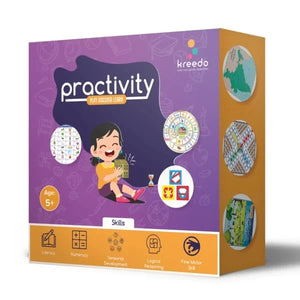
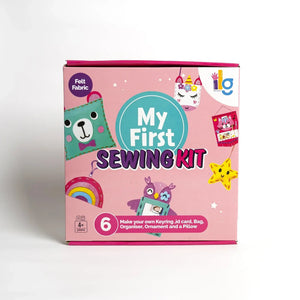
Encourage children to use recycled materials, fostering creativity and environmental awareness. Utilising activityKits can provide a structured starting point for diverse craft projects, ensuring they have the right tools and inspiration.
Service with a Smile: Helping Hands
Teaching children the value of service can be a powerful entrepreneurial lesson. Simple services like watering plants for neighbours, helping grandparents organise their bookshelf, or creating a 'car wash' stand (if space permits) teach responsibility and the concept of earning through effort.
These services, often done with enthusiasm and a cheerful spirit, are cherished within close-knit Indian communities. It teaches children about community contribution and direct customer interaction.
Garden to Table: Edible Ventures
For families with a small balcony garden or backyard, growing herbs, small vegetables like cherry tomatoes, or even flowers can become a delightful business. Children can learn about planting, nurturing, harvesting, and then 'selling' their produce.
Homemade lemonade, simple cookies, or even traditional Indian sweets prepared under supervision can also be popular. This teaches them about agricultural cycles, patience, and the basics of food preparation, often with family recipes passed down through generations.
Cultivating Skills with DIY Business for Kids
Engaging in a DIY business for kids is not just about making money; it's a comprehensive skill-building exercise. From planning and execution to communication and basic accounting, children gain invaluable practical knowledge. These experiences are fundamental to a child's holistic growth and self-esteem.
Through these hands-on projects, children naturally develop fine motor skills, problem-solving abilities, and an understanding of cause and effect. They learn persistence when things don't go as planned and resilience in seeking solutions.
Learning Practical Life Skills
Every step of a DIY business, from designing a product to pricing it and interacting with customers, hones practical life skills. Children learn to follow instructions, measure ingredients, package items neatly, and even manage simple transactions. These are foundational skills that Montessori education highly values.
This real-world application of skills helps children connect their learning to tangible outcomes. They see the direct result of their effort, which is a powerful motivator for continued learning and engagement.
Developing Communication & Confidence
When children present their products or services, they naturally practice communication and develop confidence. Explaining their creations, answering questions, and handling feedback builds social skills that are crucial for their future interactions.
Even a shy child can flourish when discussing something they've poured their heart into. The supportive environment of family and friends provides a safe space for them to practice these vital interpersonal skills.
Simple Business Ideas for Children: Guiding Principles for Parents
Guiding children through simple business ideas for children requires patience and a focus on the learning process, not just the outcome. Parents act as mentors, offering support and encouragement, much like in any Montessori learning environment.
Remember, the goal is to foster a love for learning and doing, not to create instant tycoons. Celebrate effort, resilience, and every small success along the way.
Focus on Process, Not Just Profit
While earning money is part of the lesson, the primary focus should remain on the skills learned and the joy of creation. Encourage children to understand the steps involved, the effort required, and the satisfaction of a job well done. This helps them appreciate the journey more than just the destination.
Discussing how the 'earnings' could be used – perhaps to buy a new Montessori material or save for a family outing – can add another layer of meaning to their efforts.
Keep it Age-Appropriate & Enjoyable
Ensure that the business ideas are suitable for your child's age and developmental stage. What's fun for a 6-year-old might be too complex for a 4-year-old or too simple for a 10-year-old. The activity should always feel like an extension of their play and curiosity, not a chore.
Allow children ample creative freedom in their ventures. This encourages innovation and makes the process more engaging, reinforcing that learning can be an incredibly joyful experience.
- Engaging children in fun business ideas at home cultivates practical life skills and independence.
- Montessori entrepreneurship aligns with developing executive function and problem-solving abilities.
- Easy business ideas like crafting, offering services, or gardening teach value creation and exchange.
- DIY ventures build fine motor skills, communication, and self-confidence in young learners.
- Parents should prioritise the learning process and enjoyment over immediate profit.
- Early exposure to simple economic concepts improves future financial literacy and responsibility.
At what age can children start exploring business ideas?
Children as young as 4-5 years old can begin with simple 'business' concepts like helping with chores for 'payment' or creating small crafts to 'sell' to family members. The focus is on understanding effort and reward, rather than profit.
How can parents balance business activities with school and playtime?
Parents should integrate business activities as part of playtime or weekend projects, ensuring they remain fun and never feel like a chore. Limiting time, focusing on process over product, and celebrating small achievements helps maintain balance.
What's the best way to introduce financial literacy through these ventures?
Introduce simple concepts like 'earning', 'saving', and 'spending' by using clear jars for each. Discuss costs of materials and how to price products fairly, helping children understand the value of money in a tangible way.
Do these activities require a significant initial investment?
Most easy business ideas for kids can start with minimal investment, often utilising materials already available at home. The emphasis is on creativity and resourcefulness, not expensive startup costs.
How do these business ideas align with Montessori education?
These ventures deeply align with Montessori's practical life curriculum, fostering independence, concentration, problem-solving, and a sense of contribution. Children develop fine motor skills, order, and self-discipline through purposeful work.