Hindi Alphabets: Fun DIY Activities for Kids at Home
Engaging DIY activities are a highly effective way for children to learn hindi alphabets and master the varnamala right at home, fostering a love for the language through hands-on play. This approach provides a strong foundation for literacy, connecting children to their linguistic heritage in a fun and interactive manner.
Hindi Varnamala refers to the systematic arrangement of all the letters, or varnas, in the Hindi language, comprising vowels (swar) and consonants (vyanjan). This foundational knowledge is crucial for developing reading, writing, and speaking proficiency in Hindi. Indian parents can leverage these structured systems with engaging, hands-on activities to introduce language in a culturally resonant way.
Why Learning Hindi Letters Early Matters for Indian Children
Introducing children to Hindi letters from an early age significantly boosts their cognitive development and strengthens their connection to India's rich linguistic heritage. Research shows that early exposure to a native language, like Hindi, enhances brain flexibility and improves problem-solving skills, preparing children for academic success.
In many Indian homes, where joint families often thrive, Hindi is a bridge between generations, allowing children to communicate with grandparents and relatives who might primarily speak Hindi. This linguistic bond is invaluable for cultural transmission and family cohesion, reinforcing a child's identity within their community. Furthermore, strong Hindi literacy can ease school pressure later on, giving children confidence in their mother tongue studies.
Montessori Principles for Engaging Hindi Varnamala Activities
The Montessori method, championed by Dr. Maria Montessori, advocates for hands-on, multi-sensory learning experiences that respect a child's natural curiosity and pace. For learning Hindi varnamala, this translates into tangible activities that allow children to touch, trace, and manipulate letters, rather than just rote memorization.
Experts agree that engaging multiple senses—sight, sound, and touch—creates stronger neural pathways for learning. Materials like adapted sandpaper letters for Hindi, or even homemade textured letters, enable children as young as 18-24 months to internalize the shapes and sounds of Hindi alphabets naturally. This approach empowers children to discover language on their own terms, making the learning process joyful and enduring.
Fun & Easy DIY Hindi Alphabet Activities for Kids at Home
Transform your living room into a vibrant Hindi learning lab with these simple, engaging DIY activities. These ideas are designed to make learning the hindi alphabets an exciting journey, utilizing everyday household items and encouraging active participation from your little ones.
1. Clay or Playdough Hindi Varnamala Tracing
Let your child sculpt their way to Hindi literacy! Provide homemade clay or store-bought playdough and encourage them to roll out "snakes" to form Hindi letters. This activity significantly enhances fine motor skills and letter recognition as they physically construct each shape. It's a fantastic way to engage tactile learners.
How to: First, show them a flashcard of a Hindi letter. Then, demonstrate how to roll the clay and shape it. You can even use cookie cutters in letter shapes if available! This hands-on method helps children understand the strokes and curves of Hindi script. Explore our range of fine motor skill toys to complement this activity.
2. Salt/Sand Tray Hindi Alphabet Practice
A classic Montessori activity, adapted for Hindi! Spread a thin layer of salt, sand, or even atta (flour) on a tray. Children can then use their finger or a paintbrush to trace Hindi letters, mimicking the action of writing. This sensory experience is incredibly calming and allows for endless practice without the pressure of a perfect stroke.
How to: Present a Hindi letter flashcard or a pre-written letter. Guide your child to trace the letter in the tray. They can simply shake the tray to erase and start again, making it a forgiving and fun learning tool. This is particularly effective during monsoon afternoons when indoor activities are essential for engaging restless minds.
3. DIY Hindi Letter Matching Game
Create a memorable matching game using household items! Write Hindi letters on cardstock or cut out letters from old newspapers. Then, find small objects whose Hindi names start with those letters (e.g., 'आम' for mango, 'किताब' for book, 'घर' for house). This activity builds vocabulary alongside letter recognition.
How to: Lay out the letter cards and the corresponding objects. Ask your child to match the object to its initial Hindi letter. For an extra challenge, incorporate words from Indian festivals or family names. This game can be easily made part of your activity kits at home.
4. "Akshar Khazana" (Letter Treasure) Hunt
Turn Hindi learning into an exciting quest! Write various Hindi letters on small slips of paper and hide them around the house, perhaps under a cushion or behind a plant. Provide your child with a list of letters to find, or simply ask them to collect as many as they can.
How to: Once collected, ask them to identify each letter. You can add a reward, like reading a short Hindi story together or a small treat. This active game combines physical movement with mental engagement, making letter recognition dynamic and memorable for children, including during those cozy rainy days.
5. Story Time with Hindi Sandpaper Letters (DIY Version)
Combine the joy of storytelling with tactile learning. Create your own sandpaper letters by tracing Hindi letters onto sandpaper and cutting them out, or by gluing textured materials onto cardstock. As you tell a simple Hindi story or sing a rhyme, have your child trace the corresponding initial letters of key words.
How to: For example, while narrating a story about a 'हाथी' (elephant), guide their finger over the 'ह' letter. This multisensory approach strengthens the connection between the written letter, its sound, and its meaning. Research indicates that such integrated learning significantly boosts language acquisition in young children.
Integrating Hindi Learning into Daily Indian Life
The beauty of learning Hindi alphabets at home lies in its seamless integration into your daily routine. Leverage everyday interactions and cultural practices to reinforce language skills, making Hindi a living, breathing part of your child's world.
Encourage grandparents to converse with children solely in Hindi, narrating folk tales or singing traditional rhymes. During festivals like Diwali or Holi, identify Hindi letters in decorations or sweets. Label household items in Hindi to create an immersive environment. Even simple tasks, like helping in the kitchen, can become learning moments by naming ingredients in Hindi. Studies indicate that consistent, natural exposure to a language within its cultural context is far more effective than isolated lessons.
Monsoon season, with its demand for indoor play, offers a wonderful opportunity for dedicated Hindi learning sessions. Curl up with a book, play a board game with Hindi words, or engage in any of the DIY activities mentioned above. These shared moments not only foster language development but also strengthen family bonds, creating cherished memories.
- Early exposure to Hindi alphabets significantly enhances a child's cognitive development and strengthens cultural identity.
- The Montessori method emphasizes hands-on, multi-sensory activities for effective Hindi varnamala learning.
- DIY activities using common household items make learning Hindi accessible, affordable, and highly engaging for children.
- Integrating Hindi into daily family conversations and cultural celebrations creates an immersive and effective learning environment.
- Consistent practice through playful activities, especially from ages 18-24 months, builds strong foundational literacy skills in Hindi.
- Research shows that multi-sensory engagement through tracing, shaping, and matching improves letter recognition and retention for Hindi letters.
What is the best age to start teaching Hindi alphabets?
Child development experts agree that children can begin learning Hindi alphabets as early as 18-24 months through sensory play and exposure. Formal instruction often starts around 3-4 years, but playful introduction can begin much earlier to build familiarity.
How can I make Hindi learning fun for my child?
Making Hindi learning fun involves incorporating games, songs, and hands-on activities that engage multiple senses. Use colorful flashcards, create DIY letter puzzles, and tell stories in Hindi to keep children motivated and curious about the language.
Are there any Montessori-inspired materials for Hindi alphabets?
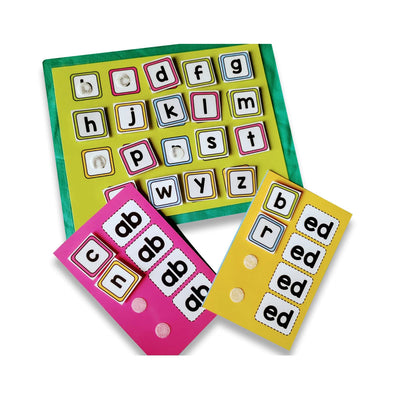
Yes, Montessori principles can be applied to Hindi alphabets using materials like sandpaper letters (DIY or commercially available) and movable alphabet sets. These materials allow children to trace and manipulate letters, internalizing their shapes and sounds through tactile exploration.
How can grandparents help with Hindi language learning?
Grandparents play a crucial role by conversing with children primarily in Hindi, sharing traditional stories, and singing Hindi rhymes. Their consistent interaction provides an authentic and loving environment for language immersion, strengthening both linguistic and family bonds.
What are some simple ways to incorporate Hindi into daily routines?
Incorporate Hindi by labeling household items, naming objects and actions in Hindi during playtime, and reading Hindi storybooks. Using Hindi phrases for greetings and common requests also helps integrate the language naturally into daily life, making it feel less like a chore.
How important is pronunciation when teaching Hindi letters?
Pronunciation is extremely important when teaching Hindi letters, as subtle differences in sounds can change word meanings. Emphasize correct articulation from the beginning, perhaps by listening to native speakers or using apps that provide accurate sound guides, ensuring children develop clear speech.