Malayalam Alphabets: Fun DIY Activities for Kids at Home
Teaching Malayalam alphabets to children can be a joyful and highly effective experience through engaging DIY activities that leverage a child's natural curiosity and love for hands-on exploration. Child development experts agree that multi-sensory approaches significantly enhance early language acquisition, making home-based creative play an invaluable tool for Indian families.
DIY Malayalam alphabet activities are engaging, hands-on methods for children to learn the intricate letters and sounds of the Malayalam language through play. This matters because active learning, as espoused by Maria Montessori, fosters deeper understanding and retention than rote memorisation, particularly in early childhood. Indian parents can utilise these creative projects to introduce malayalam varnamala activities in a culturally relevant and fun way, building a strong linguistic foundation.
Why Hands-On Learning Makes a Difference for Malayalam Alphabets
Research shows that children learn best by doing, and this holds true for language acquisition. Engaging multiple senses through DIY activities helps create stronger neural pathways in the brain, leading to better memory recall and understanding of complex symbols like Malayalam letters. Instead of passive listening, children actively manipulate, create, and interact with the alphabets, making the learning process deeply personal and effective.
Studies indicate that children who participate in hands-on learning activities show higher levels of engagement, improved problem-solving skills, and a greater sense of accomplishment. For teaching malayalam alphabets, this means less frustration and more fun, transforming a potential chore into an exciting adventure. This approach also naturally develops crucial fine motor skills, which are vital for future writing.
Easy DIY Activities to Master Malayalam Alphabets
Bringing the vibrant world of Malayalam letters into your home doesn't require expensive materials; often, everyday items are all you need! These activities are perfect for summer breaks or a fun afternoon indoors, keeping children engaged and learning.
Clay and Playdough Letter Formation
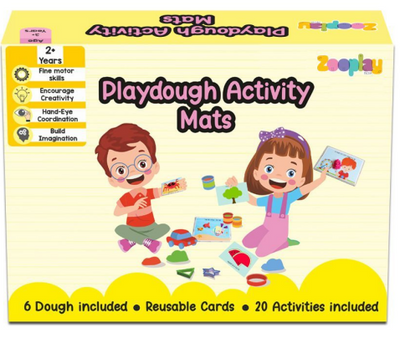
Encourage your child to roll, pinch, and mould clay or homemade playdough into the shapes of Malayalam letters. This tactile experience helps them understand the curves and lines of each alphabet. You can call out the letter sound as they form it, reinforcing phonics. For enhancing this activity, consider our range of fine motor skill toys which perfectly complement such manipulative play.
Salt or Sand Tray Tracing
Fill a shallow tray with a thin layer of salt, sand, or even rice flour (common in Indian households). Demonstrate how to trace Malayalam letters with their finger. The sensory feedback of the texture helps children internalise the letter shapes. This is a fantastic pre-writing activity that builds confidence.
DIY Alphabet Puzzles
Write or print large Malayalam alphabets on cardstock, then cut them into 2-3 unique puzzle pieces. Your child can then reassemble them, learning letter recognition and spatial reasoning simultaneously. For more structured engagement, explore our diverse activity kits that often include similar learning components.
Creative Ways to Practice Malayalam Spelling and Formation
Once children are familiar with individual letters, the next step is combining them to form words. This is where the magic of malayalam spelling truly comes alive, making language more meaningful and contextual.
Alphabet Fishing Game
Cut out paper fish, write a Malayalam alphabet on each, and attach a paperclip. Create a 'fishing rod' with a stick, string, and magnet. Call out a letter or a simple word's starting sound, and have your child 'fish' for the correct alphabet. This interactive game makes learning active and fun.
Newspaper Letter Hunt
Give your child an old Malayalam newspaper or magazine and ask them to circle or highlight specific letters as you call them out. This helps with visual discrimination and familiarises them with the alphabets in a real-world context, boosting their learn malayalam at home journey.
Sensory Bin Letter Match
Fill a bin with dried lentils, beans, or even colourful pompoms. Hide small laminated cards with Malayalam alphabets written on them. Provide a list or another set of cards, and have your child find and match the hidden letters. This encourages exploration and focused attention.
Integrating 'Learn Malayalam at Home' into Daily Routines
Learning a language is not just about dedicated activity time; it’s about weaving it into the fabric of daily life. Indian parents can easily make Malayalam a living language at home, much like storytelling sessions with grandparents.
Label Your Home in Malayalam
Write out names of common household items (മേശ - table, കസേര - chair, വാതിൽ - door) in Malayalam on small cards and stick them on the corresponding objects. Encourage your child to read them aloud throughout the day. This passive exposure is incredibly effective.
Story Time with Malayalam Books
Read simple Malayalam storybooks together. Point out the letters and words as you read. Even if your child doesn't understand every word, the exposure to the script and sounds is invaluable. Many Indian children's books feature colourful illustrations that make this engaging.
DIY Malayalam Word Walls
Dedicate a small section of a wall to displaying Malayalam words. Start with simple words related to family or common objects, adding new words as your child learns. This creates a visual reference point for malayalam spelling and vocabulary.
Montessori Principles in Your DIY Language Activities
Maria Montessori's philosophy emphasises self-directed activity, hands-on learning, and collaborative play. By incorporating these principles, you can create a truly enriching environment for learning Malayalam. Providing children with materials like the Montessori Movable Alphabet or sandpaper letters (which can be DIY'd using sandpaper and cardboard) empowers them to explore language independently.
Montessori education focuses on developing the child's natural desire to learn, offering tools that cater to their sensitive periods for language. When designing your DIY language activities, remember to prepare an environment that is inviting, organised, and allows for freedom of movement and choice, enabling your child to learn at their own pace and discover the beauty of Malayalam.
- Engaging in DIY Malayalam alphabet activities significantly boosts early language acquisition in children.
- Multi-sensory learning, as advocated by child development experts, enhances memory and retention of Malayalam letters.
- Maria Montessori's principles of hands-on, self-directed play are highly effective for teaching vernacular alphabets.
- Integrating Malayalam learning into daily routines and cultural contexts strengthens linguistic foundations for Indian children.
- These activities also naturally develop critical fine motor skills essential for future writing and dexterity.
- Consistent, joyful exposure to
malayalam varnamala activitiescreates a positive lifelong attitude towards learning languages.
At what age should children start learning Malayalam alphabets?
Children can begin engaging with early literacy activities, including exposure to Malayalam alphabets, around 3-4 years old. Focus on playful recognition of sounds and shapes rather than formal memorisation, aligning with Montessori principles of readiness.
How can I make learning Malayalam alphabets engaging for a hyperactive child?
Engage hyperactive children by incorporating movement and sensory play into malayalam varnamala activities. Use large-scale floor games, tracing letters in sand or rice, or letter hunts around the house to channel their energy constructively.
What are the benefits of using DIY activities for language learning?
DIY activities foster deeper engagement and retention by activating multiple senses and allowing children to learn at their own pace. This hands-on approach builds fine motor skills, problem-solving abilities, and a positive attitude towards learning, making it a powerful tool for DIY language activities.
Can grandparents help teach Malayalam alphabets using these DIY methods?
Absolutely! Grandparents are wonderful resources for language learning, especially in joint Indian families, bringing cultural context and storytelling to the process. These simple DIY activities are easy for grandparents to facilitate, strengthening intergenerational bonds while educating children.
How do Montessori principles apply to learning Malayalam alphabets?
Montessori principles advocate for hands-on, self-directed learning using tangible materials. Applying this means using sandpaper letters, movable alphabets, and practical life activities that allow children to explore Malayalam alphabets through touch, sight, and sound, fostering independent discovery.