Screen-Free Indoor Activities for Kids: DIY Fun at Home
Providing enriching screen-free indoor activities for kids is crucial for holistic development, offering a definitive solution to digital overload and fostering essential skills. As Indian parents increasingly seek alternatives to digital devices, especially with the upcoming summer holidays and monsoon season, hands-on play at home becomes invaluable. These DIY ideas help children develop creativity, focus, and independence.
Many Indian families are looking for diverse ways to keep their children engaged and learning without screens. From traditional crafts to imaginative games, our guide offers practical and achievable suggestions. This focus on purposeful, child-led play naturally aligns with Montessori principles, promoting deep learning and joyful exploration right in your living room.
What Are Screen-Free Indoor Activities?
Screen-free indoor activities are engaging, hands-on experiences performed within the home that do not involve digital devices like phones, tablets, or televisions. This matters because they actively stimulate a child's brain, imagination, and physical coordination. Indian parents can use everyday household items to create these enriching play opportunities, fostering independence and creativity.
The Montessori Advantage: Why Screen-Free Play Matters
Child development experts, including Maria Montessori, strongly emphasized the importance of direct, hands-on interaction with the environment for a child's growth. Research consistently indicates that excessive screen time, especially before the age of two, can negatively impact language development and attention spans. Providing diverse, engaging screen-free indoor activities for children is not just an option; it is a developmental necessity.
Studies show that children who engage in regular screen-free play exhibit better problem-solving skills, enhanced creativity, and stronger social-emotional development. For Indian children navigating school pressure and a competitive environment, purposeful play offers a vital outlet for self-expression and skill-building. It allows them to learn at their own pace and follow their natural curiosities, preparing them not just academically but holistically.
Engaging DIY Activities for Kids at Home
Transform your home into a vibrant learning space with these simple, effective DIY activities for kids at home. These ideas are designed to be low-cost, high-impact, and perfectly suited for the Indian household, making the most of readily available materials.
Sensory Bins with an Indian Twist
Sensory bins are fantastic for tactile exploration and concentration. Fill a large tray or tub with dry lentils, rice, or even atta (flour) for a delightful Indian touch. Add small bowls, spoons, and toy animals for scooping, pouring, and imaginative play. This activity helps develop fine motor skills and offers a calming, engaging experience.
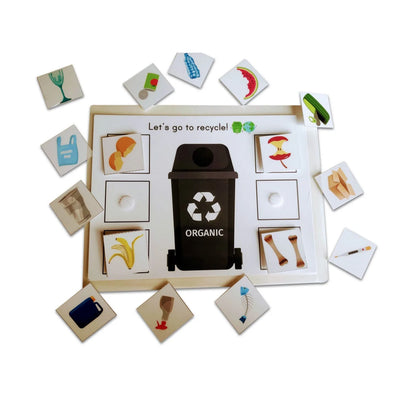
You can even hide small objects or letters within the grains for a treasure hunt. Grandparents often enjoy joining in, sharing stories as children sift through the textures. For more structured sensory play, consider exploring activity kits that often include tools for such exploration.
Storytelling & Puppet Theatre
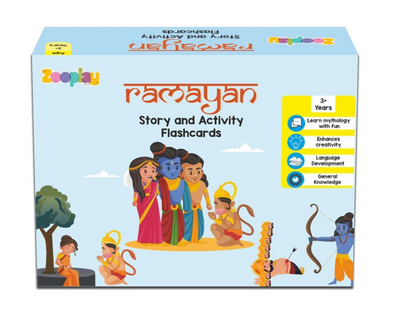
Ignite imagination by creating a simple puppet theatre from a cardboard box. Children can make their own puppets from old socks, paper bags, or even cut-out figures from magazines. Encourage them to narrate stories, re-enact folktales, or invent entirely new adventures. This fosters language development, dramatic play, and social skills.
This activity also allows children to explore different emotions and perspectives, which is crucial for emotional intelligence. It’s a wonderful way to bring family stories or tales from Indian mythology to life, bridging generations through shared creativity.
Building Forts & Imaginary Worlds
Who doesn't love a good fort? Gather blankets, pillows, chairs, and laundry baskets to construct a cozy hideaway. This encourages spatial reasoning, collaboration (if building with siblings or parents), and hours of imaginative play. Once the fort is built, it can become a reading nook, a spaceship, or a secret meeting place.
Such unstructured play, as highlighted in articles like '8 Screen Free Activities To Try With Your Child' by Femina.in, allows children to direct their own learning. It helps them feel empowered and in control of their play environment, a key aspect of Montessori education.
Simple Indian Crafts for Summer
Embrace the spirit of '5 Indian Crafts to Teach Kids This Summer' by The Better India. Create rangoli patterns using coloured rice or flower petals, make decorative paper plate peacocks, or craft diyas from clay. These activities are not only fun but also connect children to their cultural heritage, perfect for upcoming festivals or summer holidays.
Crafting also significantly boosts fine motor skills and concentration. Simple supplies like paper, glue, old fabric scraps, and natural materials found in the garden are all you need. The joy of creating something beautiful with their own hands is incredibly rewarding for children.
Practical Life Skills & Play
Montessori education champions practical life activities, turning everyday chores into engaging learning experiences. Involve children in simple tasks like sorting clothes by color, washing vegetables, setting the table, or helping with basic cooking. These activities build independence, coordination, and a sense of responsibility.
Providing child-sized tools, like small brooms or pouring pitchers, empowers them. These Montessori indoor play ideas lay the foundation for self-reliance and contribute to the family's well-being, fostering a deep sense of belonging within the Indian joint family structure.
Fine Motor Skill Challenges
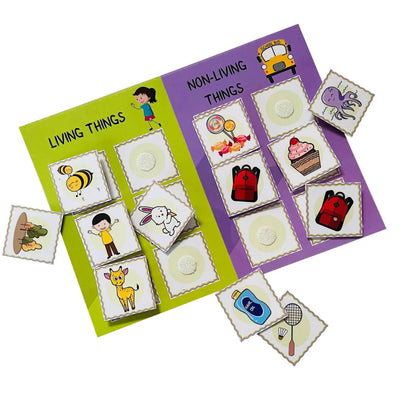
Engage your child's hands and minds with activities that refine their dexterity. Threading beads onto a string, using clothespins to pick up small objects, or manipulating playdough are excellent ways to develop fine motor skills. You can create intricate patterns with bangles or practice buttoning shirts for practical skill-building.
These challenges are essential for tasks like writing and self-dressing. Many toys in our Montessori collection, like the Pink Tower or dressing frames, are specifically designed to enhance these crucial skills in a fun, child-led manner.
Tips for Successful Indoor Play without Screens
Creating an environment conducive to engaging screen-free games requires a bit of planning and patience. Experts agree that a prepared environment is key to independent play. Start by offering a few curated choices rather than overwhelming your child with too many options, allowing them to focus and choose purposefully.
Involve your child in the cleanup process, teaching them responsibility for their play space. Rotate toys and materials regularly to keep interest high and spark new explorations. Most importantly, join in the fun sometimes, but also allow for periods of independent play where children can explore and learn at their own pace. Your presence and encouragement make a world of difference.
- Providing screen-free indoor activities is essential for a child's holistic development, combating digital overload.
- Montessori principles of independent, purposeful, and child-led play are foundational for effective screen-free engagement.
- Research indicates that hands-on, screen-free play significantly enhances cognitive, motor, and social-emotional skills.
- DIY activities using common household items make enriching play accessible and affordable for Indian families.
- Incorporating practical life skills into play fosters independence and a sense of responsibility in children.
- Regular rotation of play materials and a prepared environment are crucial for sustained interest in screen-free activities.
What are screen-free indoor activities for kids?
Screen-free indoor activities for kids are engaging, hands-on experiences performed within the home that do not involve digital devices like phones, tablets, or televisions. These activities focus on stimulating creativity, imagination, and physical development through direct interaction with materials and play.
How do screen-free activities benefit a child's development?
Child development experts agree that screen-free activities significantly boost cognitive skills, fine and gross motor development, problem-solving abilities, and social-emotional intelligence. They encourage focused attention, imaginative play, and practical life skills essential for holistic growth, unlike passive screen consumption.
What are some easy DIY screen-free games for toddlers?
Easy DIY screen-free games for toddlers include sensory bins filled with safe, edible materials like rice or lentils, simple shape sorting with household items, building towers with blocks, or engaging in pretend play with stuffed animals. These activities encourage exploration, sensory development, and fine motor skills using readily available resources.
How can parents encourage screen-free play at home?
Parents can encourage screen-free play by setting up an inviting environment with open-ended materials, participating in activities with their children, and modeling screen-free behaviors themselves. Establishing clear boundaries around screen time and offering varied, engaging options makes the transition to hands-on play much smoother and more appealing for kids.
Are Montessori principles relevant for screen-free indoor play?
Yes, Montessori principles are highly relevant for screen-free indoor play, emphasizing child-led exploration, purposeful activities, and prepared environments. This approach fosters independence, concentration, and practical life skills through hands-on engagement with materials, aligning perfectly with the goals of screen-free learning and development.