Telugu Letters with Pictures: DIY Alphabet Fun
Introducing telugu letters with pictures through DIY activities at home is a highly effective method for young children, significantly boosting retention and engagement in early language acquisition. Research consistently shows multi-sensory learning solidifies understanding for children in their foundational years. This empowers Indian parents to create a rich, language-immersive environment, fostering a love for their mother tongue.
Telugu letters with pictures are visual aids pairing each letter of the Telugu alphabet (Varnamala) with an image of an object or animal whose name begins with that letter. This matters because it provides concrete associations, making abstract concepts accessible for young minds and aiding recognition. Indian parents can use these tools to build a strong linguistic foundation, celebrating their cultural heritage.
The Power of Visual Learning for Telugu Varnamala for Kids
Child development experts agree visual learning is powerful for young children, especially when introducing new concepts like Telugu Varnamala. Pairing telugu letters with pictures helps children connect abstract symbols with concrete images. This aligns with Maria Montessori’s philosophy, emphasizing tangible materials for sensory learning.
Studies indicate children retain information more effectively through multiple senses. Seeing a letter, hearing its sound, and associating it with a picture strengthens neural pathways. This multi-sensory engagement makes learning faster and more deeply embedded, paving the way for confident Telugu reading and writing.
Getting Started: Essential Materials for DIY Telugu Alphabet Activities
You don't need fancy gadgets to create engaging telugu alphabet activities at home. Many learning tools are crafted from everyday household items, making it an achievable, fun project. Gather your supplies for creative learning!
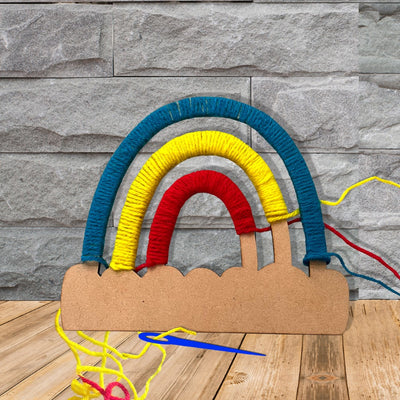
You might need: cardboard, chart paper, old magazines, sketch pens, glue, and scissors. Repurpose items around the house. For a head start, explore activity kits, which provide excellent foundational materials and inspiration.
DIY Telugu Flashcards with Pictures
Flashcards are a timeless language learning tool; making them adds a personal touch children adore. This simple DIY telugu learning activity is fantastic for visual recognition and memory.
How to make them:
- Cut sturdy paper or cardboard into uniform rectangles.
- Write a Telugu letter clearly on one side; on the other, draw or stick a picture starting with that letter (e.g., 'అ' for 'అమ్మ').
- Laminate with clear tape for durability. Use these for quick revision or building simple Telugu words.
Homemade Telugu Sandpaper Letters
Inspired by Montessori's sandpaper letters, this DIY version offers tactile experience crucial for pre-writing skills. Sensory input helps children feel the letter's shape, aiding fine motor control development.
How to make them:
- Cut Telugu letters from fine-grit sandpaper.
- Glue each letter onto a contrasting cardboard backing.
- As your child traces, they see, say, and feel its unique form. This activity develops fine motor skills, essential for handwriting readiness.
Creative Ways to Practice Telugu Letters at Home
Beyond flashcards and sandpaper letters, countless engaging ways exist to make learn telugu at home exciting. Indian parents find integrating learning into play more effective, especially on monsoon afternoons when outdoor play is limited.
Telugu Letter Treasure Hunt
Turn learning into a thrilling game! This activity gets children moving and actively searching for letters, perfect for energetic youngsters.
How to play:
- Hide DIY Telugu flashcards with pictures around the house or garden.
- Give your child a 'treasure map' or a list of letters to find.
- As they find each card, encourage them to say the letter and picture word aloud. This reinforces recognition and burns energy, even involving grandparents.
Playdough Telugu Varnamala Fun
Playdough is a versatile tool for hands-on learning, perfect for shaping Telugu letters. It combines sensory play with language development, enhancing fine motor skills and creativity.
How to play:
- Roll out colourful playdough.
- Using DIY flashcards, encourage your child to form Telugu letters.
- They can also create objects starting with that letter, like sculpting a small 'ఆవు'. This kinesthetic approach helps remember Telugu Varnamala shapes. For more Montessori-aligned tools, explore our Montessori method learning materials and toys.
Integrating Telugu Learning into Daily Life: A Montessori Approach
Making montessori telugu activities part of your child’s daily routine is key to sustained learning. Indian homes, especially joint families, offer rich language immersion. Encourage grandparents to speak Telugu, read storybooks, and identify letters on shop signs.
Research shows early exposure to regional languages strengthens cultural identity and enhances cognitive development, including problem-solving and creativity. Children exposed to multiple languages before age five demonstrate superior executive function. Simple acts like labelling household items with Telugu names or singing traditional rhymes contribute significantly.
- DIY Telugu letters with pictures offer effective multi-sensory early language acquisition.
- Visual aids like flashcards connect abstract Telugu symbols with concrete images, aiding comprehension.
- Montessori-inspired DIY sandpaper letters provide tactile learning, crucial for pre-writing skills.
- Creative activities (treasure hunts, playdough) enhance Telugu letter recognition and fine motor development.
- Integrating regional language into daily Indian family life strengthens cultural identity and boosts cognitive skills.
- Studies confirm multimodal learning boosts memory retention and cognitive flexibility in young children.
What age is best to start teaching Telugu letters?
Children can begin recognizing Telugu letters and their sounds from around 2.5 to 3 years old, aligning with their natural curiosity for language. Early exposure through playful activities like those with pictures helps build foundational skills without pressure.
How can I make learning Telugu varnamala fun for my child?
Make learning Telugu varnamala fun by incorporating games, songs, and hands-on DIY activities like making flashcards or shaping letters with playdough. Integrating these into daily routines, perhaps during monsoon afternoons or family playtime, keeps children engaged and motivated.
Are DIY Telugu learning activities as effective as store-bought materials?
Yes, DIY Telugu learning activities can be highly effective, often even more so due to the personal touch and collaborative creation process. They allow customization to your child's interests and reinforce learning through the act of making, aligning with Montessori principles of active engagement.
How do Telugu letters with pictures help in language development?
Telugu letters with pictures aid language development by creating strong visual associations for each letter, making abstract concepts concrete. This visual-linguistic connection improves recognition, vocabulary, and phonetic awareness, laying a solid groundwork for reading and writing.
Can grandparents help teach Telugu at home?
Absolutely, grandparents play a vital role in teaching Telugu at home, especially within Indian family structures. Their natural storytelling, singing of traditional rhymes, and daily conversations in Telugu provide invaluable immersive language experiences that reinforce learning organically.