Eco-Friendly Habits India: Montessori for Sustainable Family Living
Embedding eco-friendly habits India is more than a trend; it's a foundational commitment for our children's future, and integrating Montessori principles offers a powerful, research-backed framework for Indian families to achieve sustainable living. Child development experts agree that children learn best through direct experience and practical engagement, making daily routines an ideal classroom for environmental stewardship. By consciously weaving green practices into our homes, we nurture responsible, environmentally aware citizens right from their formative years.
Eco-conscious living for Indian families is the intentional practice of reducing environmental impact through daily choices and habits, while honouring cultural values and local contexts. This matters because it directly addresses global climate challenges and ensures a healthier planet for future generations. Indian parents can initiate this by focusing on waste reduction, resource conservation, and mindful consumption within their unique household dynamics.
Montessori's Deep Roots in Sustainable Living
Maria Montessori's philosophy, centred on respect for the child and their environment, naturally aligns with sustainable living. It champions practical life activities, cosmic education, and a prepared environment that fosters independence and a deep appreciation for the natural world. This isn't just about using eco-friendly products; it's about cultivating a mindset where children inherently value resources and understand their interconnectedness with nature.
Studies indicate that children who engage in purposeful, real-world tasks develop a stronger sense of responsibility and care. For example, a child learning to sweep the floor with a small broom isn't just acquiring a skill; they are learning to care for their space. Extending this to environmental care means they learn to respect the planet as their larger home, fostering a foundational love and concern that goes beyond mere instruction.
Cultivating Eco-Friendly Habits India Daily
Mindful Waste Management: From Kitchen to Community (sustainable living india)
Waste reduction is one of the most immediate and impactful sustainable living India actions families can take. In many Indian homes, particularly joint families, kitchen waste can be significant. Involve your child, even a toddler, in sorting wet and dry waste. Give your 3-year-old, like little Rohan in Bengaluru, the responsibility of placing fruit peels into a dedicated composting bin, turning it into a purposeful Montessori 'practical life' activity.
The Better India has highlighted how parents like Sonika Bhasin are championing composting with kids and washable cloth diapers. This approach, which focuses on reusing and reducing, resonates deeply with Montessori's emphasis on durable, long-lasting materials and teaching children the value of resources. Instead of single-use items, opt for reusable shopping bags for groceries and say no to plastic cutlery at home.
Conserving Resources: Water & Energy in the Indian Home (eco-conscious home india)
An eco-conscious home India prioritises mindful resource use. Teach your child to turn off the tap while brushing their teeth or washing hands, explaining simply how water comes from rivers and is precious. Involve them in collecting rainwater for plants or using leftover RO water for cleaning, turning it into a tangible lesson in conservation. This active participation makes the concept real for them.
Energy conservation can be taught by making it a game: "Who can spot the light left on in an empty room?" Encourage natural light and ventilation whenever possible, especially in Indian climates where it's often practical. The American Academy of Pediatrics (AAP) emphasises the importance of early environmental education for children's long-term health and planetary well-being, making these daily actions vital learning moments.
Conscious Consumption: Montessori's Approach to Durable Choices (green parenting tips india)
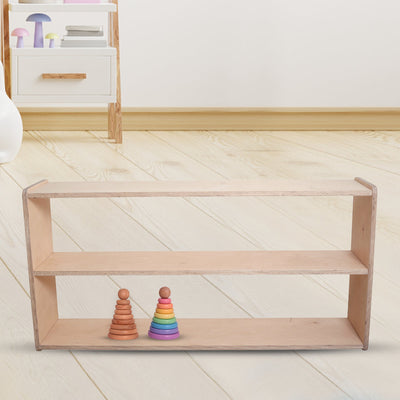
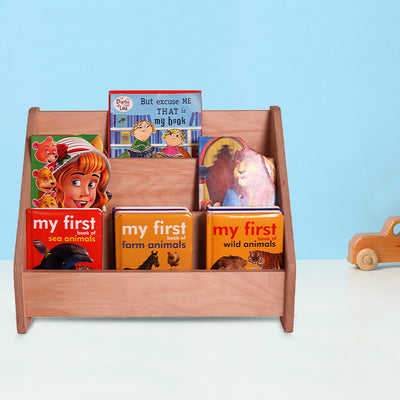
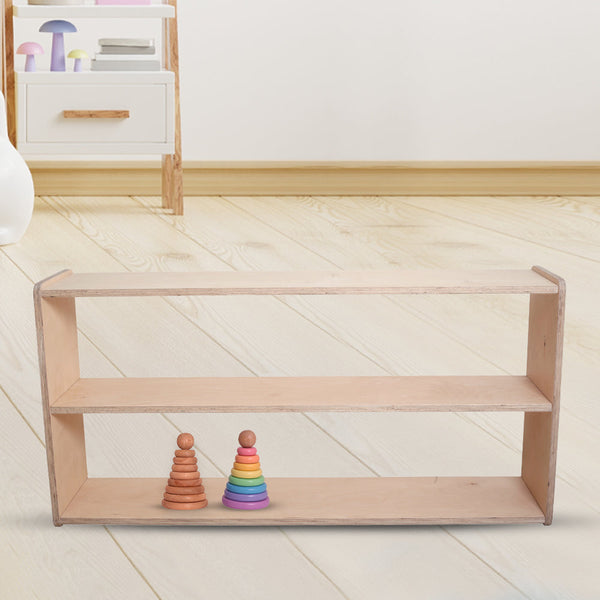
One of the best green parenting tips India offers is to choose quality over quantity, a principle central to Montessori. When selecting toys, prioritise durable, natural materials over plastic. Wooden toys, for instance, are not only long-lasting but also stimulate a child's imagination more effectively than electronic gadgets. A child carefully handling a wooden pink tower from SkilloToys.com learns respect for materials and the resources they represent.
This extends to clothes, books, and household items. Instead of constantly buying new, explore mending clothes, upcycling old items, or passing down toys within the family or community. The act of choosing a well-crafted, natural material over a mass-produced plastic item helps children understand value beyond immediate gratification and contributes to a circular economy.
Explore Montessori Learning Materials & ToysNurturing Nature: Outdoor Connections & Montessori Sustainability Activities (montessori sustainability activities)
Montessori places great importance on connecting children with nature. These montessori sustainability activities can be as simple as planting a small herb garden on your balcony or visiting a local park. Let your child dig in the soil, observe insects, or water plants. This direct interaction fosters a sense of wonder and care for the living world. Celebrate festivals like Diwali with eco-friendly diyas and natural colours for Holi, integrating cultural traditions with sustainable practices.
Engage children in nature walks, encouraging them to collect fallen leaves, flowers, or pebbles to create natural collages at home. This isn't just art; it's a sensory exploration of their environment, reinforcing their connection to the planet. Such experiences build a deep, intrinsic motivation to protect what they love and understand.
Integrating Sustainability into Your Family's Daily Routine (sustainable daily routine family)
Making sustainability a seamless part of your sustainable daily routine family life requires consistency and positive reinforcement. Involve grandparents; their traditional wisdom often aligns with eco-friendly practices, like drying clothes in the sun or using seasonal produce, creating a wonderful intergenerational learning opportunity. Children thrive when they see adults modelling responsible behaviour.
Allow your child the freedom to choose sustainable actions, within limits. For instance, ask, "Would you like to put the plastic bottles in the recycling bin or the paper in the paper bin today?" This empowers them and makes them active participants rather than passive observers. Remember, the goal is to cultivate intrinsic motivation and a lifelong commitment to the planet, not just to follow rules.
Discover Eco-Friendly Activity Kits for ChildrenBy embedding these daily eco-conscious habits with Montessori principles, Indian families can raise children who are not only environmentally aware but also deeply respectful, responsible, and connected to the world around them. Every small action, consistently practiced, contributes to a larger, healthier future for all.