Telugu Letters with Pictures: Engaging Kids with Wooden Toys
For Indian parents who cherish their roots, helping children learn regional languages like Telugu is a priority. Introducing Telugu letters with pictures through engaging, tactile wooden toys offers a profound advantage, fostering a natural and joyful path to linguistic mastery.
Nurturing regional language skills with wooden toys means providing children with concrete, multi-sensory tools to explore the beauty of their mother tongue. This matters immensely because it bridges the gap between abstract symbols and tangible understanding, enriching a child's cognitive development while deeply connecting them to their cultural heritage. Indian parents can choose thoughtfully crafted wooden materials to transform language learning from a chore into an exciting discovery.
The Tangible Advantage of Wooden Telugu Alphabet Toys
In a world often dominated by screens and plastic, wooden toys stand out for their timeless appeal and developmental benefits. When it comes to learning the Telugu alphabet, the smooth, natural feel of a wooden letter encourages extended interaction that a flimsy plastic counterpart simply cannot match. This tactile engagement is crucial for young minds grappling with new shapes and sounds.
Research consistently shows that multi-sensory learning enhances memory retention and understanding. For a child learning Telugu letters, holding a carved wooden letter, tracing its unique curves, and matching it to a picture of an elephant (ఏనుగు) or a bird (పిట్ట) creates stronger neural connections. This method aligns perfectly with the recent focus on 'Toy-tally Indian' brands, celebrating toys rooted in Indian identity and sustainable practices, as highlighted by publications like The New Indian Express.
Montessori Telugu Toys: Building Foundations, Not Just Rote Learning
The Montessori philosophy champions hands-on exploration and self-directed learning, principles perfectly suited for early language acquisition. Montessori Telugu toys, such as sandpaper letters or wooden inset puzzles, invite children to engage with the script in a deeply personal way. Instead of passively looking at telugu letters with pictures in a book, a child actively traces the 'అ' with their finger, feeling its form, internalising its shape and sound.
Maria Montessori herself advocated for moving from the concrete to the abstract. For telugu learning for kids, this means providing tangible representations of letters before expecting them to read or write. These montessori telugu toys allow children to correct their own mistakes, fostering independence and a sense of achievement without external pressure. It's a gentle, yet powerful approach to foundational literacy.
Making Telugu Learning for Kids a Family Affair
Language is alive when it's shared, and in Indian homes, especially joint families, grandparents play a pivotal role. Imagine a Dadi teaching her grandchild to say "అమ్మ" (amma - mother) while pointing to a wooden letter 'అ', or during festivals like Sankranti, using these toys to spell out festive greetings. Such moments weave language learning into the rich tapestry of family life.
These natural interactions, coupled with purposeful regional language learning toys India parents can trust, prevent language from becoming just another "school subject." They foster genuine curiosity and emotional connection to Telugu, creating a strong sense of cultural identity often overlooked in the pressure of English-medium education.
Choosing Natural Language Learning Materials for Your Home
When selecting toys, eco-conscious Indian parents prioritise quality and sustainability over transient trends. Opting for durable, non-toxic wooden materials means choosing products that last for generations, echoing the traditional craftsmanship celebrated in articles like New Lines Magazine's piece on Varanasi wood toy carvers. This mindful choice contributes to a healthier planet and a more thoughtful playroom.
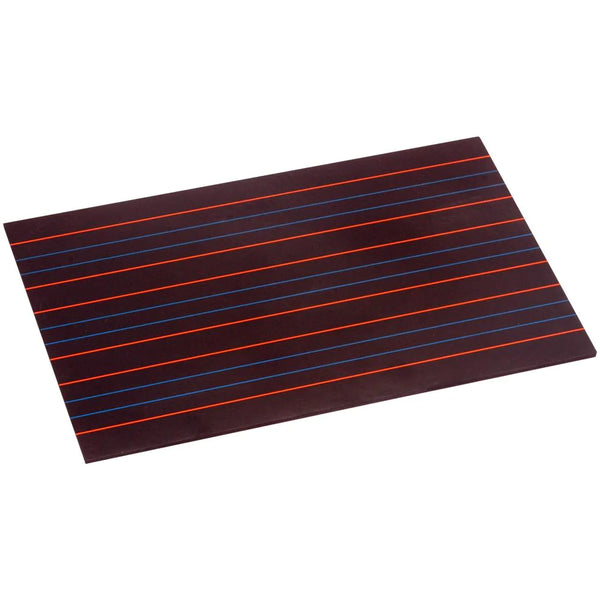
SkilloToys is committed to providing such materials. Our range of Montessori method learning materials includes various wooden language aids that encourage natural language learning. Look for wooden telugu alphabet puzzles or tracing boards that are meticulously finished and safe for little hands. These are not just toys; they are tools for profound development, perfect as thoughtful, sustainable gifts, as noted by The Better India's recent feature on Indian toy brands.
By investing in high-quality wooden educational toys, you are choosing a path that respects both your child's innate potential and our planet. This approach encourages your child's imagination, making them the active participant in their learning journey, rather than passively receiving information. The seemingly simple wooden letter, devoid of flashing lights and loud sounds, demands the child's internal engagement, which is precisely what cultivates deeper learning and a lasting love for language.
Encouraging your child to learn Telugu letters with pictures through the beauty of wooden, Montessori-inspired toys is a gift that keeps giving. Tonight, instead of a screen, introduce a smooth wooden letter; let your child explore its form, trace its curves, and hear its sound. It's a small step that can lead to a lifetime of linguistic richness and cultural pride.