Wooden Puzzles for Kids: Eco-Choice for Development
Wooden puzzles for kids are increasingly recognized by child development experts and environmentally conscious parents in India as a superior choice for holistic growth and sustainable living. Their inherent design fosters deep cognitive engagement, fine motor skill refinement, and a vital connection to natural materials. As families across Bengaluru and India embrace mindful choices, from composting to reusable diapers, opting for eco-friendly wooden puzzles becomes a natural extension of a values-driven parenting philosophy.
Choosing toys that support both your child's development and the planet's health is a priority for many modern Indian parents. This guide will help you understand why wooden puzzles stand out as an exceptional option, integrating traditional wisdom with contemporary developmental science.
What are Montessori Wooden Puzzles?
Montessori wooden puzzles are carefully crafted educational tools made from natural wood, designed to isolate concepts and encourage self-directed learning in children. This matters because they promote concentration, fine motor skill development, and problem-solving through hands-on engagement. Indian parents can integrate these simple, yet profound, tools to foster independence and a love for learning in their homes.
Why Wooden Puzzles Excel in Child Development
Child development research consistently shows that toys made from natural materials offer unparalleled sensory experiences. Unlike their plastic counterparts, wooden puzzles engage multiple senses: the smooth or textured feel of the wood, its distinct smell, and the satisfying 'clunk' as pieces fit together. This multi-sensory input is crucial for brain development, especially for toddlers aged 18-36 months.
Maria Montessori's philosophy, which forms the core of SkilloToys' offerings, emphasizes materials that encourage self-correction and deep concentration. Wooden puzzles embody this principle perfectly. When a child attempts to fit a piece and it doesn't quite work, the natural resistance of the wood provides immediate feedback, prompting them to try again. This process builds resilience and strengthens problem-solving pathways in the brain, skills invaluable in an Indian school system that often demands critical thinking.
Furthermore, the simplicity of many wooden educational toys for kids means the child must bring their imagination to the play. There are no flashing lights or pre-recorded sounds to dictate the interaction. This open-endedness fosters creativity and language development as children invent scenarios and articulate their discoveries. Parents often observe their little ones narrating stories while manipulating a wooden animal puzzle, a rich sign of cognitive growth.
Sustainable Wooden Toys: A Gift to the Planet and Future Generations
The movement towards sustainable parenting in India, championed by voices like Sonika Bhasin advocating for composting with kids and choosing washable cloth diapers, underscores a growing awareness of our environmental footprint. Opting for sustainable wooden toys is a powerful step in this direction. Wooden puzzles are inherently eco-friendly puzzles; they are made from renewable resources, reducing reliance on fossil fuels used in plastic production.
Beyond their eco-credentials, wooden puzzles offer superior durability. Unlike plastic toys that often break or crack, ending up in landfills, well-crafted wooden puzzles can withstand years of enthusiastic play, often becoming cherished heirlooms passed down through generations in Indian joint families. This longevity not only saves money but also significantly reduces waste, a small but impactful contribution to a greener Bharat.
Moreover, the safety aspect is paramount. Wooden toys from reputable sources like SkilloToys are typically finished with non-toxic, child-safe paints and natural waxes. This eliminates concerns about harmful chemicals, BPA, or phthalates that can leach from certain plastic toys, providing peace of mind for parents committed to their child's well-being and the planet's health.
Choosing the Best Eco-Friendly Puzzles for Your Child
When selecting wooden puzzles for kids, consider a few key factors to ensure you make the best choice. For infants and toddlers (12-24 months), opt for chunky knob puzzles or simple shape sorters. These are easy for small hands to grasp and help develop early fine motor skills. As children grow, usually around 2-4 years, progress to multi-piece jigsaw puzzles featuring familiar objects, animals, or Indian cultural motifs.
Always inspect the craftsmanship. Look for smooth, sanded edges, vibrant yet non-toxic finishes, and sturdy construction. The pieces should fit snugly without being too tight, ensuring a satisfying experience for your child. Choosing a variety of Montessori wooden puzzles, from geometric shapes to themed sets, can keep learning fresh and engaging. Explore a range of Montessori learning materials that integrate seamlessly into this approach.
Remember that the best eco-friendly puzzles are those that are developmentally appropriate, engaging, and built to last. Investing in quality wooden educational toys means less waste, safer play, and more enriching learning experiences for your child.
Integrating Wooden Educational Toys in the Indian Home
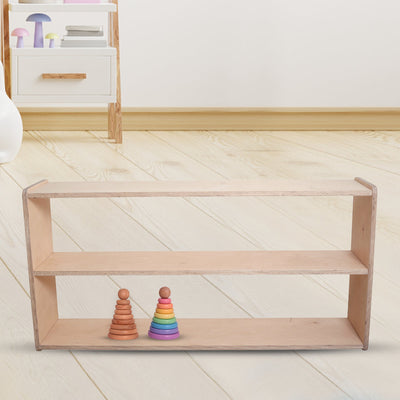
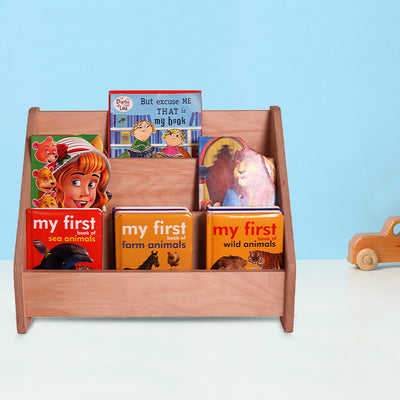
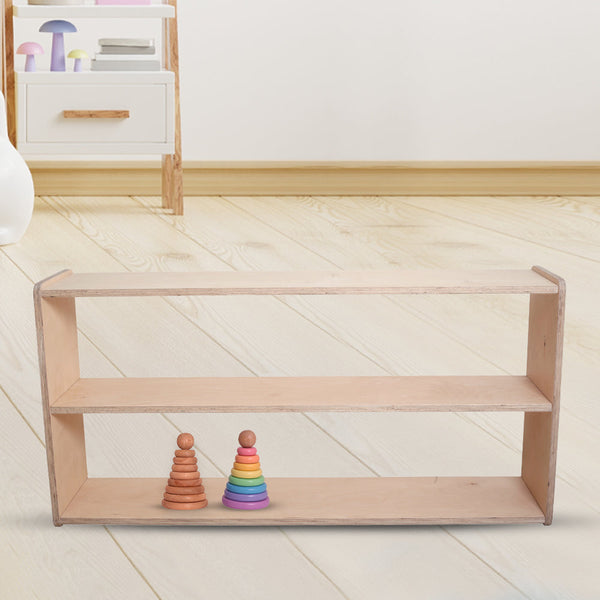
Introducing wooden puzzles into your child's routine doesn't require a complete overhaul of your home. It's about mindful integration. Set up a designated 'puzzle corner' in your living room or a child's bedroom, making these beautiful wooden educational toys easily accessible. This invites children to engage independently, mirroring the self-directed learning observed in Montessori environments.
In a joint family setup, involving grandparents can be wonderful. Many Dadi and Nani figures appreciate the traditional, natural feel of wooden toys, reminiscing about their own childhoods. They can help guide younger children, fostering intergenerational bonds over a shared activity, which is a significant part of Indian family values. This also provides a screen-free alternative, addressing the common parental concern about excessive digital exposure.
The beauty of wooden puzzles lies in their ability to offer both focused solo play and collaborative family fun. Whether it's a quiet afternoon activity or a fun challenge during a festival holiday, these eco-conscious choices nurture not just a child's mind, but also a deeper connection to sustainability, laying the foundation for a generation that truly cares for its environment.