Green Baby Parenting India: Sustainable Choices from Birth
Raising a "greenest baby" through green baby parenting India involves making intentional, eco-conscious choices from birth, focusing on environmental stewardship and healthy development. This guide empowers Indian parents to create a sustainable foundation for their little ones, from thoughtful product selections to daily eco-friendly practices that honour both tradition and planetary well-being.
The recent surge in awareness, highlighted by headlines like 'My baby greenest: When parenting goes sustainable - The Times of India', shows a growing desire among Indian parents to embrace this journey. Stories like Sonika Bhasin's choice of washable cloth diapers, as shared by The Better India, exemplify practical, impactful steps toward a more mindful start.
What is Green Baby Parenting in India?
Green baby parenting in India means adopting a lifestyle that minimises environmental impact while supporting a child's natural growth through sustainable choices. It prioritises natural materials, reduced waste, and conscious consumption, encouraging a deep connection to nature from an early age.
Building a Sustainable Nursery in Indian Homes
Creating an eco-conscious space for your newborn starts with thoughtful planning. For many Indian families, especially those in joint family setups or smaller city apartments, this means optimising existing spaces and choosing versatile items. Child development experts agree that a calm, uncluttered environment fosters better concentration and sensory development in infants.
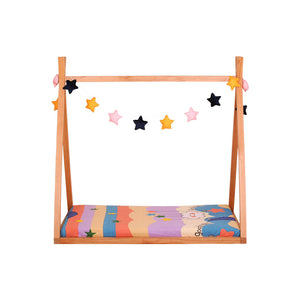
Start by selecting natural, durable materials. Opt for cribs and furniture made from solid wood with non-toxic finishes, avoiding particleboard or MDF that can off-gas harmful chemicals. Consider upcycling a family cradle or dresser – the deep-seated Indian tradition of hand-me-downs isn't just about thrift; it's an inherent form of circular economy, teaching children about reuse and valuing possessions long before they encounter formal environmental lessons.
For bedding, organic cotton or bamboo sheets are breathable and free from synthetic pesticides. When painting nursery walls, choose zero-VOC (Volatile Organic Compound) paints to ensure cleaner indoor air quality. Research shows that poor indoor air quality can impact infant respiratory health, making this a critical consideration.
Embracing Eco-Friendly Baby Products India: Beyond the Buzz
From clothing to feeding, every choice presents an opportunity for sustainable impact. For instance, the American Academy of Pediatrics recommends using natural, breathable fabrics for infants to prevent overheating and skin irritation. Look for organic cotton clothing that is soft, durable, and free from harsh dyes.
Consider reusable cloth diapers, a choice championed by figures like Sonika Bhasin. While the thought of washing might seem daunting to some parents, especially those balancing work and family life, modern cloth diapers are designed for ease. They significantly reduce the estimated 2,000 kg of diaper waste a single baby can generate, easing the burden on India's landfills.
For feeding, choose glass bottles over plastic where possible, or silicone options known for their durability. When solid foods begin, invest in bamboo or stainless steel dinnerware. These choices not only reduce plastic waste but also prevent your child's exposure to potential endocrine-disrupting chemicals found in some plastics.
Choosing Non-Toxic Baby Toys India: Play that Protects
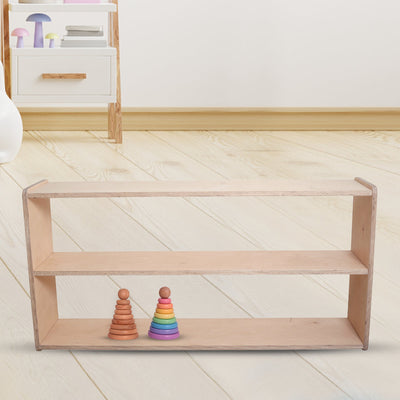
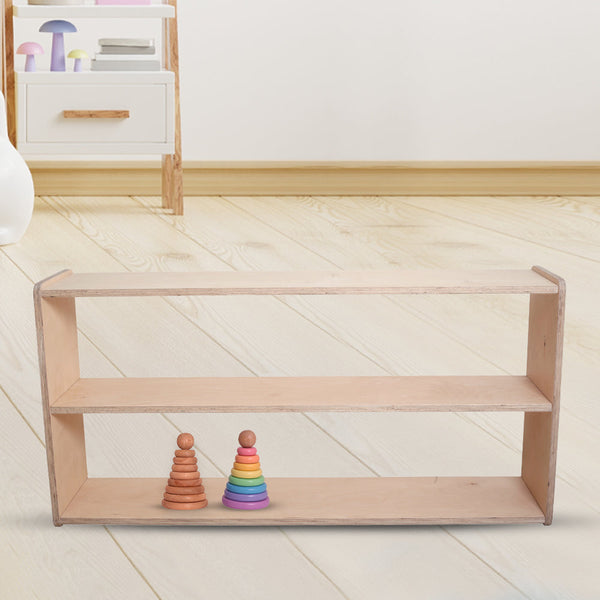
The toys your baby interacts with daily are vital for their development and health. SkilloToys, deeply rooted in Montessori principles, champions toys made from natural, non-toxic materials. Maria Montessori herself emphasised the importance of purposeful play with objects that connect children to the real world and engage their senses meaningfully.
Instead of bright, battery-operated plastic toys, consider high-quality wooden toys or natural fabric rattles. The satisfying clunk of one wooden block landing on another, or the gentle texture of an organic cotton teether, offers rich sensory input. Studies indicate that simple, open-ended toys encourage more imaginative and problem-solving play, as the child is prompted to do the "work" of imagining.
When selecting Montessori learning materials, look for untreated or naturally finished wood. These choices are not only safer for curious mouths but also teach children to appreciate natural beauty and craftsmanship. A classic example is a wooden stacking toy or a simple bell rattle – timeless, durable, and eco-friendly. Explore our range of activity kits that encourage hands-on learning with sustainable materials.
Montessori for Babies Sustainable: Nurturing Natural Curiosity
The Montessori philosophy inherently aligns with sustainable living. It advocates for "less is more," encouraging parents to choose a few high-quality, durable toys over a multitude of disposable plastic items. This approach reduces waste and teaches children the value of their possessions.
In a Montessori-inspired home, children are encouraged to connect with nature from an early age. This can be as simple as involving a 2-year-old in composting kitchen scraps, as highlighted by Sonika Bhasin's family in 'Composting With Kids: How Sonika Bhasin Teaches Sustainability at Home' by The Better India. Even in a small Bengaluru flat, a tiny plant or a window herb garden can provide this connection.
By offering opportunities for practical life skills – like helping wipe up spills or sorting clothes – we instill a sense of responsibility towards their environment and community. These foundational experiences, supported by Montessori principles, lay the groundwork for a lifelong appreciation of sustainable practices, making green baby parenting a natural extension of mindful living for Indian families.