Parenting Trends 2026 India: Eco-Conscious Choices
By 2026, parenting trends 2026 India are unmistakably shifting towards a deeply eco-conscious and mindful approach, reflecting a growing awareness among families about their environmental impact. Indian parents are increasingly prioritizing choices that benefit both their children's well-being and the planet's future, moving beyond conventional methods to embrace sustainable practices in every aspect of family life. This forward-looking perspective positions educational toys and sustainable living as central to nurturing the next generation.
Eco-conscious parenting is a mindful approach where families make deliberate choices to minimize their environmental footprint and instill values of sustainability in their children. This matters because it directly impacts the health of our planet and shapes future generations to be environmentally responsible citizens. Indian parents can begin by evaluating their daily consumption habits and integrating greener alternatives.
The Rising Tide of Mindful Consumption: Eco-Conscious Parenting Trends
The movement towards mindful consumption is a defining aspect of eco-conscious parenting trends in India. This isn't just about choosing organic foods; it extends to every purchase, from clothing to household essentials. Parents are questioning the lifecycle of products, opting for durability, reusability, and minimal waste.
Take, for instance, the growing conversation around baby products. The Better India recently featured Sonika Bhasin, explaining her choice for washable cloth diapers over disposable ones, citing the thousands of diapers one baby uses. This pragmatic approach is gaining traction among Indian parents who are realizing the long-term benefits, both for the environment and their family budget, challenging the convenience culture with sustainable alternatives.
This shift is visible even in cultural celebrations. The Times of India reported on Chelmsford Pujo blending tradition with sustainability, showcasing how even deeply rooted cultural practices can adapt to eco-friendly methods. This demonstrates that sustainable living in India isn't about discarding traditions, but enriching them with environmental responsibility, fostering a deep respect for both heritage and nature within joint families and communities.
Nurturing Nature: Educational Toys Trends 2026 and Experiential Learning
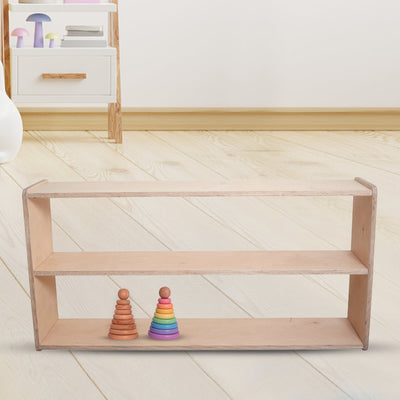
As we look at educational toys trends 2026, there's a strong lean towards materials that are natural, durable, and promote open-ended play. Child development experts agree that toys made from wood, cotton, or other natural fibers engage a child's imagination more deeply than complex electronic gadgets. These simple toys encourage problem-solving, creativity, and a tangible connection to the natural world.
Maria Montessori's philosophy, emphasizing hands-on learning with natural materials, resonates perfectly with this trend. Her methods encourage children to explore textures, weights, and forms, fostering concentration and sensory development. Imagine a 3-year-old in a Bangalore apartment carefully stacking a wooden pink tower or meticulously arranging sandpaper letters – these activities build foundational skills while instilling an appreciation for quality, sustainable items.
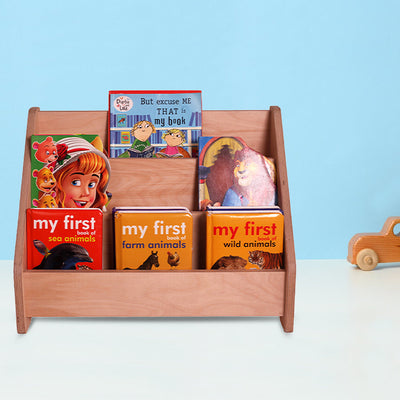
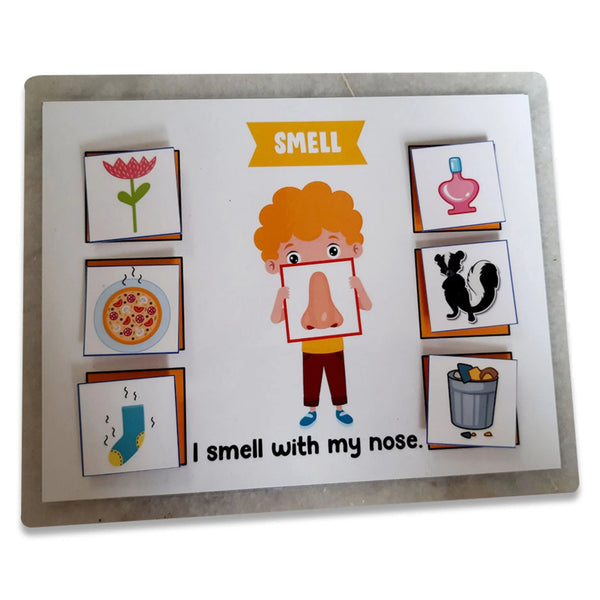
Studies indicate that children who engage with fewer, high-quality, natural toys often exhibit stronger self-regulation and deeper focus. SkilloToys.com champions this approach, offering a wide range of learning materials that align with these future parenting styles, encouraging exploration and discovery through sustainable means. Parents are actively seeking ways to provide rich, stimulating environments without overwhelming their children or the planet.
Future-Proofing Indian Families: Sustainable Family Living India
The vision for sustainable family living India by 2026 encompasses more than just individual choices; it's about a holistic lifestyle. This includes energy conservation, water harvesting, waste segregation, and even urban gardening. The appointment of an Indian oil heir as a professor of sustainability at Newcastle University, as reported by The Telegraph, underscores the growing global and local recognition of sustainability as a critical field of study and practice.
These future parenting styles are about empowering children with knowledge and habits that will serve them throughout their lives. It's about teaching them that resources are finite and that every action has an impact. For instance, a family in Chennai might involve their 7-year-old in sorting recyclables, or a Delhi family might install a small kitchen garden, teaching children where their food comes from.
Research shows that children exposed to these mindful parenting choices from an early age develop a stronger sense of environmental responsibility and empathy. Grandparents, too, play a vital role, often sharing traditional wisdom about resourcefulness and respecting nature, seamlessly blending age-old practices with modern sustainable goals. This intergenerational transfer of knowledge is a unique strength of Indian family structures.
Embracing eco-conscious parenting is not merely a trend but a profound commitment to our children and the planet. It means making deliberate choices today that will yield lasting benefits for tomorrow, cultivating a generation of thoughtful, responsible individuals. By integrating sustainable practices, from mindful consumption to educational play, Indian families are truly future-proofing their legacy.