Pre-loved Baby Gear: An Eco-Conscious Guide for Indian Parents
For environmentally aware Indian parents, embracing pre-loved baby gear is a transformative step towards sustainable living, directly addressing both financial prudence and ecological responsibility. Choosing second-hand items significantly reduces carbon footprints and waste, aligning with initiatives like Coodle, which redefine parenting with safe, sustainable options.
Pre-loved baby gear refers to gently used, second-hand items like clothes, strollers, nursery furniture, and toys that are repurposed rather than newly purchased. This practice matters because it drastically cuts down on manufacturing demand and landfill waste, supporting a circular economy. Indian parents can confidently adopt this by focusing on safety, hygiene, and the enduring quality of materials.
Why Embrace Pre-Loved: Savings and Sustainability for Indian Families
The decision to opt for sustainable baby gear is gaining momentum across India, driven by both economic considerations and a growing environmental consciousness. Research indicates that extending the life of products can significantly reduce carbon, water, and waste footprints by 20-30%. For families navigating the financial demands of a new baby, especially in bustling cities like Bengaluru, choosing second-hand items can lead to substantial savings, often up to 70% compared to buying new.
This approach echoes traditional Indian values of resourcefulness and making the most of what's available. Think of how dadi or nani would mend clothes or repurpose old fabrics – it's a modern iteration of that inherent wisdom. Moreover, it directly combats the throwaway culture, exemplified by the 'one baby, thousands of diapers' dilemma, where many parents, like Sonika Bhasin, are consciously choosing washable cloth diapers to reduce landfill impact.
What to Look For: Vetting Second-Hand Baby Products in India
When seeking second-hand baby products India-wide, vigilance is key to ensuring safety and functionality. Start by thoroughly inspecting all items for any structural damage, sharp edges, or loose parts that could pose a choking hazard. For larger items like high chairs or strollers, check all locking mechanisms and hinges to ensure they operate smoothly and securely.
Always verify if the product has been recalled by checking online databases – a crucial step often overlooked. The American Academy of Pediatrics recommends avoiding used car seats due to potential invisible damage from accidents, and older cribs that don't meet current safety standards. For everything else, ensure all components are present and functioning as intended, especially with educational materials where missing pieces can hinder learning.
Making Pre-Loved Toys Shine: Safety and Sanitisation
Acquiring pre-loved toys India means taking responsibility for their cleanliness before they reach your child's hands. Child development experts agree that proper sanitisation is non-negotiable for second-hand items. For hard plastic toys, a simple wash with mild soap and warm water, followed by a disinfectant spray or solution, is effective. Ensure they are thoroughly rinsed and air-dried to prevent mould.
Wooden toys, cherished for their natural appeal, require a slightly different approach. Wipe them down with a damp cloth using a gentle, non-toxic cleaner, and ensure they are completely air-dried away from direct sunlight to prevent warping or cracking. For soft toys and fabric items, a hot machine wash cycle with a baby-safe detergent is essential to eliminate germs and allergens, much like how garments are carefully cleaned for festival wear or special occasions in many Indian homes.
The Montessori Advantage: Durable Toys for a Second Life
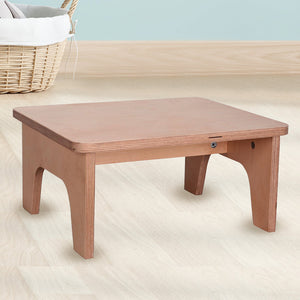
Choosing eco-friendly baby items extends beyond just buying pre-loved; it's also about investing in quality that endures. Maria Montessori's philosophy champions durable, open-ended materials that withstand years of use and can be passed down, making them ideal for the pre-loved market. Unlike flimsy plastic toys that often break quickly, Montessori materials are crafted from robust wood and natural fibres, designed to last through multiple children and even generations.
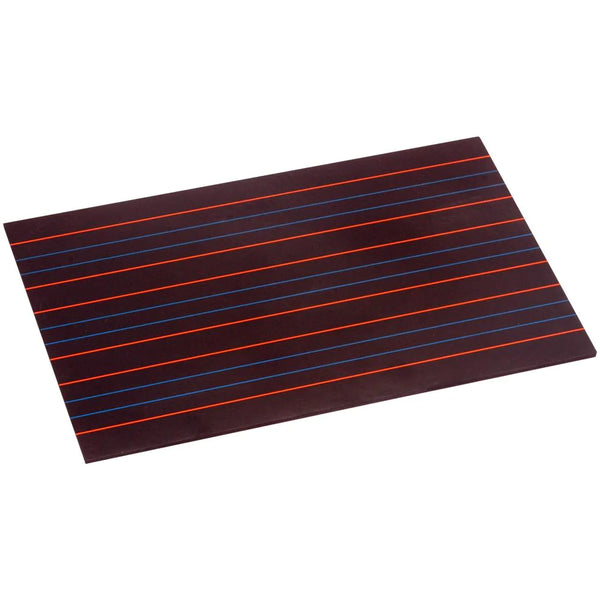
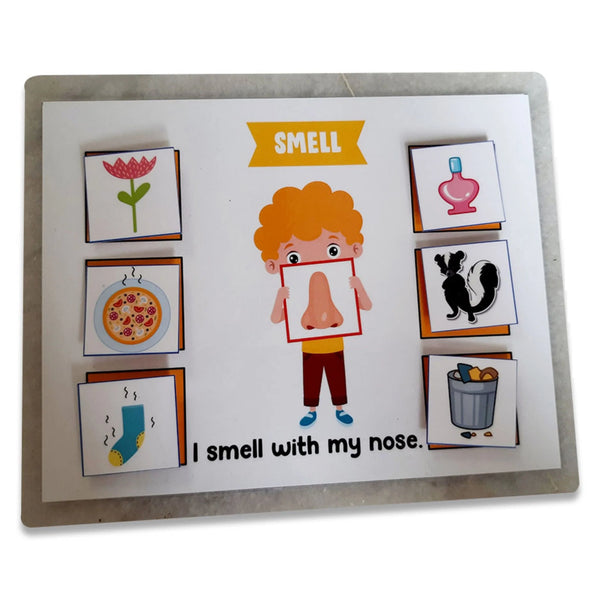
This inherent durability makes items like wooden blocks, puzzles, and practical life tools perfect candidates for second-hand acquisition. They retain their educational value and structural integrity, offering children aged 18-24 months and beyond rich sensory and cognitive experiences. Explore our range of Montessori learning materials and activity kits, designed with longevity in mind, ensuring they can enrich many children's developmental journeys.
The satisfying weight of a wooden animal or the smooth texture of a geometric solid maintains its appeal, engaging a child's senses without relying on flashing lights or loud noises. This encourages imaginative play and deeper engagement, which remains constant whether the toy is new or has been loved by another child. It's a powerful illustration of how quality design fosters both development and sustainability.
Building a Conscious Community: Sharing and Gifting
Embracing pre-loved items naturally leads to fostering a more connected, conscious community, a value deeply embedded in Indian culture, where gifting and sharing are commonplace. Platforms like Facebook Marketplace, local WhatsApp groups for parents in cities like Chennai or Pune, and community events offer excellent avenues to find and exchange quality items. Chelmsford Pujo, for instance, blends tradition with sustainability, showing how community initiatives can promote eco-conscious practices.
Consider organizing a toy exchange with friends and family or participating in local flea markets. Not only does this provide access to well-loved items, but it also strengthens community bonds and reduces the collective environmental footprint. By sharing resources, we teach our children the value of giving, reusing, and being mindful consumers from a young age, preparing them for a future where sustainability is paramount.