Doll Play vs Screen Time: Boost Kids' EQ
Research clearly shows that engaging in doll play vs screen time offers a significantly richer pathway for children to develop crucial emotional intelligence and social skills. Unlike passive screen consumption, active, imaginative play with dolls provides a dynamic environment for children to practice empathy, narrative thinking, and complex social interactions, laying a stronger foundation for their future.
Emotional intelligence in children is the ability to understand and manage one's own emotions, and to recognize and influence the emotions of others. This matters immensely because it underpins successful relationships, academic resilience, and overall well-being in a child's journey. Indian parents can actively foster this by prioritising open-ended, imaginative play experiences over passive digital consumption.
The Science Behind Simple Play and Brain Development
Studies consistently demonstrate that hands-on, interactive play with physical toys is fundamental for healthy brain development, especially in early childhood. Engaging with tangible objects, like a doll or a wooden block, stimulates multiple senses simultaneously, creating stronger neural pathways. This sensory-rich experience is critical for developing fine motor skills, spatial reasoning, and problem-solving abilities.
Conversely, while screens can offer some educational content, their predominantly two-dimensional, passive nature often limits this multi-sensory engagement. Numerous studies funded by reputable child development organisations highlight that excessive early screen exposure can potentially hinder the development of executive functions suchances like attention control and working memory, which are vital for learning and emotional regulation.
Doll Play: A Powerful Catalyst for Emotional & Social Growth
Child development experts agree that doll play is a powerful engine for empathy and social understanding, making it one of the most effective emotional intelligence development toys. When a child nurtures a doll, feeds it, or puts it to sleep, they are mimicking caregiving roles, fostering a profound sense of empathy and responsibility. This extends to understanding emotions as they make their doll happy, sad, or angry through imaginative scenarios.
In the vibrant context of an Indian home, doll play allows children to re-enact family dynamics, celebrate mini-festivals, or prepare for school, enhancing their narrative skills and social awareness. Maria Montessori herself emphasised the importance of purposeful play for developing practical life skills and understanding the world around them. The benefits of doll play are vast, teaching negotiation, sharing, and perspective-taking, whether they are playing alone or with siblings and grandparents.
The Screen Time Dilemma: Understanding the Impact on Young Minds
The rise of digital devices has presented a unique challenge for modern Indian parenting, as concerns about screen time effects on children grow. While digital literacy is important, the impact of prolonged, unsupervised screen time on young minds is well-documented. Research indicates that excessive screen time can reduce attention spans, delay language development, and negatively affect emotional regulation due to the lack of real-time, reciprocal interaction.
Unlike the active, constructive nature of doll play, screen time often encourages passive consumption, where children absorb information without actively creating or problem-solving. A report by the American Academy of Pediatrics suggests that children under five should have very limited screen time, primarily for high-quality, interactive content with a caregiver. This starkly contrasts with the spontaneous, imaginative flow of traditional play that is crucial for building robust social connections.
Choosing Wisely: Montessori Principles for Holistic Development
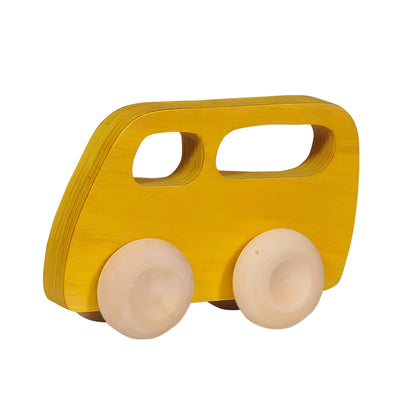
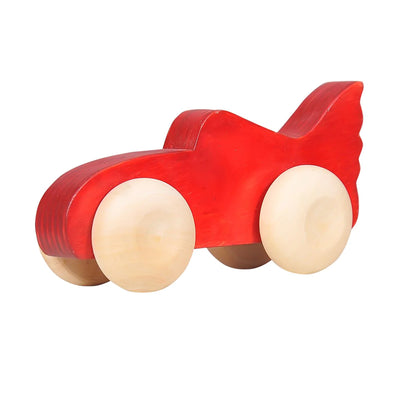
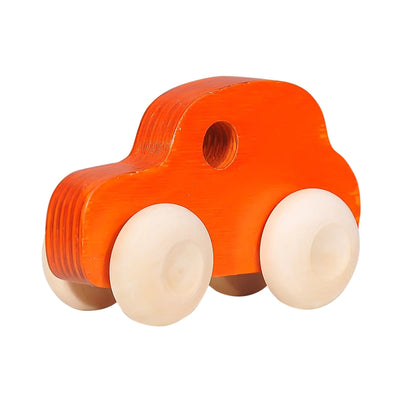
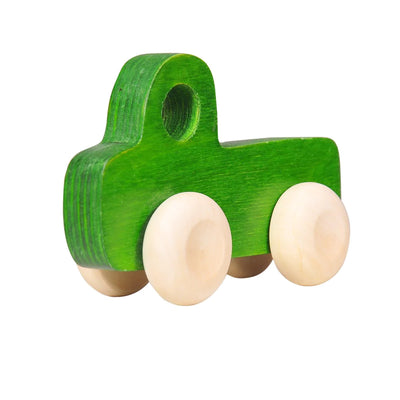
When it comes to nurturing well-rounded children, embracing simple toy choices for kids guided by Montessori principles offers a robust Montessori toys screen time alternative. These toys, often made from natural materials, are designed to be open-ended, allowing children to explore, discover, and learn at their own pace. They encourage concentration, independence, and a deep understanding of cause and effect.
For instance, practical life activities found in Montessori activityKits, such as pouring, scooping, or buttoning, directly enhance fine motor skills and build confidence. These types of toys provide tangible, hands-on experiences that foster creativity and problem-solving, which are far more beneficial for developing emotional intelligence than passively watching a screen. They empower children to be active participants in their learning journey.
Empowering Indian Parents: Practical Steps for Nurturing EQ
In our fast-paced, AI-driven world, raising emotionally intelligent children is more crucial than ever for Indian parents navigating competitive environments and changing family structures. The key lies in balancing modern demands with timeless developmental needs. Setting clear screen time limits and creating dedicated 'play zones' at home can make a significant difference.
Encourage family involvement in play, allowing children to model and practice social interactions with elders and peers. Provide a rich array of open-ended Montessori educational toys that invite imagination and collaborative play. By consciously prioritising real-world interactions and simple, purposeful play, parents can help their children develop the emotional resilience and social dexterity needed to thrive, as advocated by parenting experts in recent Times of India discussions.
Conclusion
The evidence is clear: while screens have their place, the profound and irreplaceable benefits of active play, particularly doll play vs screen time, are fundamental for a child's emotional intelligence and social skill development. By choosing simple, educational toys and creating an environment that champions imaginative, hands-on exploration, Indian parents can lay a strong foundation for their children to become empathetic, resilient, and socially adept individuals ready for the challenges of tomorrow.
- Doll play significantly enhances emotional intelligence and social skills through imaginative role-playing.
- Screen time, especially when excessive, can negatively impact attention spans, emotional regulation, and social interaction.
- Simple, open-ended toys encourage active learning, creativity, and deeper cognitive engagement compared to passive screens.
- Montessori principles advocate for hands-on, purposeful play as a superior alternative for holistic child development.
- Providing a balance of traditional play and mindful screen use is crucial for nurturing well-rounded children in modern India.
- Research consistently supports that real-world, interactive play fosters stronger neural pathways than screen-based activities.
How does doll play benefit emotional intelligence in children?
Doll play significantly enhances emotional intelligence by allowing children to practice empathy, role-play social scenarios, and process complex emotions in a safe, imaginative space. They learn to understand different perspectives and express feelings, which are crucial for social growth.
What are the common screen time effects on children?
Excessive screen time can lead to reduced attention spans, difficulty with emotional regulation, decreased face-to-face social interaction, and potential impacts on sleep patterns. It often offers passive consumption rather than active engagement vital for development.
Why are simple toy choices for kids better than complex electronic ones?
Simple, open-ended toys encourage children to use their imagination, problem-solve creatively, and develop fine motor skills without external prompts. They foster deeper engagement and allow children to lead their own play, which is essential for cognitive and emotional growth.
How can Montessori toys serve as a screen time alternative?
Montessori toys are designed to be hands-on, purposeful, and self-correcting, encouraging concentration and independent learning. They provide engaging, tangible experiences that develop practical life skills, sensory perception, and logical thinking, offering a rich alternative to digital entertainment.
At what age should parents introduce doll play to children?
Parents can introduce dolls as early as 12-18 months, starting with soft, simple figures. As children grow, typically around 2-3 years, they begin engaging in more complex imaginative doll play, which is when the profound benefits for social and emotional skills truly flourish.