Montessori Emotions Lab at Home: Your Child's Feelings Playground
As the conversation around dedicated 'Emotions Labs' grows in India, inspired by initiatives like Isha Ambani's work with Feeling Minds, many parents are seeking ways to cultivate emotional intelligence. A Montessori Emotions Lab at Home transforms your living space into an immersive environment where children can truly explore their feelings. This isn't just a trend; it's a foundational approach to raising emotionally resilient children ready for the complexities of modern Indian life.
A Montessori Emotions Lab at Home is a prepared environment using specific educational toys that allow children to independently explore, understand, and regulate their feelings. This matters because consistent, self-directed emotional learning builds resilience and social competence crucial for navigating competitive Indian life. Indian parents can establish this by integrating specific Montessori materials into their daily routines.
Beyond the Buzz: Why Your Home is the Original 'Emotions Lab' for Immersive Emotional Learning
While the excitement around new 'Emotions Labs' offering immersive, interactive exhibits is palpable, remember that your home holds an equally powerful potential. Maria Montessori's pedagogy, developed over a century ago, inherently understood the need for a continuous, self-directed environment for holistic development. In the familiar comfort of their Bengaluru apartment or ancestral home, children can engage in profound immersive emotional learning every single day.
Unlike scheduled visits to an external lab, a home-based Montessori Emotions Lab provides sustained, accessible interaction. This constant engagement allows a child, perhaps a 4-year-old Anya in a joint family, to process her emotions at her own pace, without the pressure of a timed session. Child development experts agree that consistent exposure to emotional challenges and opportunities for self-regulation within a secure environment is paramount for deep learning.
Cultivating Experiential Emotional Education with Montessori Materials
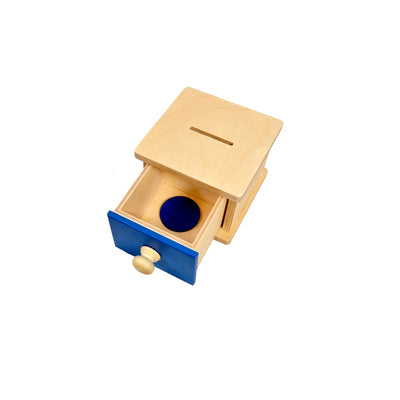
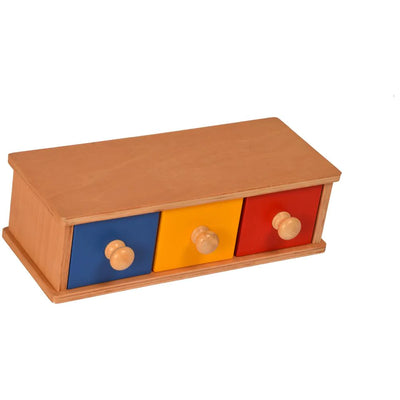
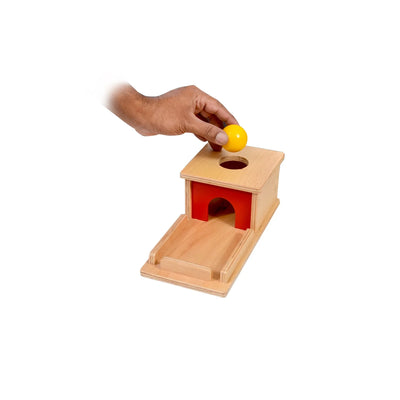
Montessori materials are not just toys; they are tools for discovery, meticulously designed to engage a child's senses and intellect. They naturally facilitate experiential emotional education. When a child painstakingly spoons grains from one bowl to another, or buttons a dressing frame, they are not just developing fine motor skills; they are learning patience, concentration, and managing the mild frustration of a task not yet mastered.
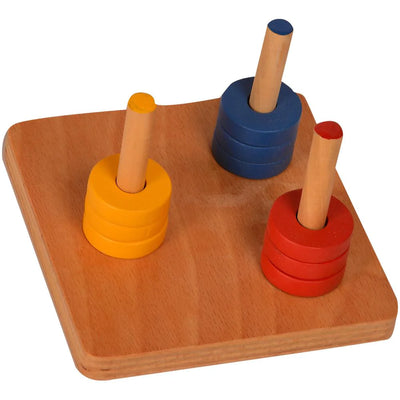
Consider a child engaging with Montessori method learning materials. The deliberate actions involved in stacking the Pink Tower or sorting colour tablets build self-awareness and self-control. These activities allow children to experience feelings of accomplishment, perseverance, and even mild disappointment, all within a safe, self-correcting framework. Such repeated experiences help children label and understand their internal states long before they have the vocabulary to articulate them.
Interactive Emotional Development Toys for Deeper Understanding
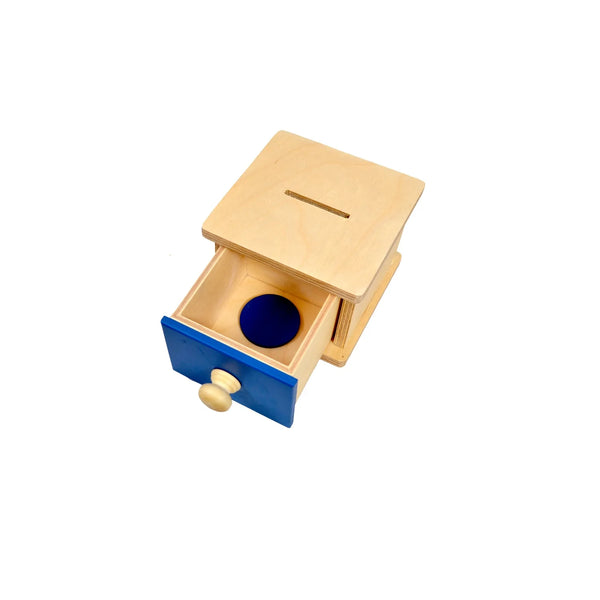
SkilloToys offers a range of materials that act as true interactive emotional development toys. For instance, Montessori activity kits that involve sorting objects by characteristic can extend to sorting objects by how they make you feel. Imagine a child choosing small figurines to represent family members, then using them to enact a scenario that caused them sadness or joy.
This kind of open-ended, child-led play provides invaluable opportunities for expression and empathy. Research shows that dramatic play and storytelling are powerful conduits for emotional processing. When children role-play with dolls or puppets, they step into different emotional shoes, learning perspective-taking and fostering compassion for others – qualities vital for harmonious living, especially in our close-knit Indian families.
Montessori Social Emotional Learning: A Foundation for Indian Childhoods
In a society where academic scores often dominate the conversation, cultivating strong Montessori social emotional learning (SEL) skills offers children an undeniable advantage. The Times of India recently highlighted why emotional intelligence matters more than academic scores for kids, underscoring its role in overall well-being and success. A child with strong SEL skills can navigate school pressures, manage friendships, and even contribute positively to a multi-generational household.
Grandparents, with their wealth of stories and gentle wisdom, can play a vital role in this home-based lab, sharing narratives that implicitly teach about resilience, empathy, and managing complex feelings. This continuous, natural integration of emotional education into daily life, rather than isolated lessons, builds a resilient, emotionally intelligent individual ready for life's challenges, from competitive exams to celebrating festivals with understanding and joy.
Your home, equipped with thoughtful Montessori materials, isn't just a place to live; it's a dynamic, always-on 'Emotions Lab'. It's where your child truly learns to feel, understand, and master their inner world. Tonight, observe your child during their independent play – what emotions are they exploring? Encourage them to describe what they feel using new words, even if just through their actions. This simple observation is the first step in unlocking their emotional genius.