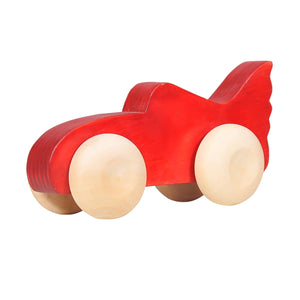
Educational Toys for Kids: Boosting Emotional Growth
Choosing the right educational toys for kids is pivotal for nurturing emotional intelligence, providing tools that help children in India understand and manage their feelings. By selecting age-appropriate materials that encourage open-ended play and social interaction, parents can effectively support the development of empathy, self-regulation, and resilience from early childhood. This deliberate approach ensures toys become powerful allies in a child's emotional journey.
In today's competitive landscape, Indian parents are increasingly focused on raising emotionally balanced children, as highlighted by recent discussions on parenting styles and the importance of emotional intelligence. Research consistently shows that simple choices, like engaging in doll play over excessive screen time, can significantly boost a child's social skills and emotional development. At SkilloToys, we understand this profound impact and are dedicated to guiding you through selecting toys that don't just entertain, but truly educate and nurture a child's inner world.
What is Emotional Intelligence in Children?
Emotional intelligence in children is the ability to understand, manage, and express one's own emotions, and to comprehend and respond to the emotions of others. This matters because it underpins healthy relationships, academic success, and overall well-being, crucial for navigating the complexities of modern Indian society. Indian parents can cultivate this by creating a supportive home environment and providing appropriate tools for emotional learning.
The Foundation of Emotional Growth: Early Years (0-18 Months)
Child development experts agree that the earliest interactions lay the groundwork for emotional intelligence. During this crucial period, infants begin to recognize faces, respond to voices, and form their first attachments, which are all vital steps in emotional learning. Providing engaging, safe stimuli supports this foundational development.
Age-Appropriate Emotional Development Toys for Infants (0-6 Months)
Simple rattles, soft fabric books with high-contrast images, and unbreakable mirrors are ideal. These toys help infants develop self-awareness and visual tracking, which are early forms of processing external information and self-recognition. Their reactions to these objects are initial expressions of joy or curiosity.
Fostering Feelings in Toddlers (6-18 Months)
Soft dolls, puppets, and simple stacking toys become powerful tools for this age group. Maria Montessori emphasised observation, and watching a toddler interact with a soft doll, mimicking care or showing affection, demonstrates nascent empathy. Cause-and-effect toys also teach them about control and consequence, influencing their emotional responses. For foundational development, explore our range of Montessori learning materials that encourage sensory exploration and independent discovery.
Nurturing Empathy and Self-Regulation: Toddlerhood (18 Months - 3 Years)
As children grow, their emotional world expands, often accompanied by big feelings and the beginning of social interactions within joint families or playgroups. Research shows that engaging in imaginative play, particularly with dolls, is instrumental in developing empathy and social competence. A recent study, highlighted by The Times of India, demonstrated that doll play significantly boosts children's social skills and emotional processing compared to screen time.
Educational Toys for Emotional Growth in Early Toddlerhood (18-24 Months)
Emotion-themed puzzles, board books depicting different feelings, and simple role-playing sets (like a doctor's kit or kitchen set) are perfect. These montessori toys emotional intelligence helps toddlers identify emotions in themselves and others, preparing them for more complex social scenarios common during family gatherings or festivals.
Developing Social Skills in Preschoolers (2-3 Years)
Cooperative play toys like large building blocks, play-dough, and animal figurines encourage sharing, turn-taking, and conflict resolution. These interactions are crucial for navigating relationships with siblings and cousins, teaching them the give-and-take of social dynamics, and reinforcing the idea of collective joy in Indian households.
Building Resilience and Social Skills: Preschool & Beyond (3-6 Years)
This stage is characterised by a child's increasing independence and readiness for more structured social play, essential for preparing them for school life in India. The best toys for emotional growth here are those that challenge them to problem-solve collaboratively, manage frustration, and celebrate shared achievements. Studies indicate that open-ended, complex play strengthens executive functions, including emotional regulation.
Enhancing Emotional Vocabulary (3-4 Years)
Story cards, puppet shows, and interactive books that explore narratives about feelings are invaluable. These help children articulate their emotions more effectively, moving beyond simple expressions to a nuanced understanding of their inner world. Role-playing different scenarios with puppets can be especially powerful for expressing fears or joys.
Cooperative Play and Problem Solving (4-6 Years)
Board games requiring strategy and turn-taking, complex building sets like large wooden blocks, and group art projects foster cooperation and patience. These activities teach children to negotiate, compromise, and cope with losing gracefully, building resilience crucial for school and competitive environments. For stimulating collaborative and creative emotional growth, explore our diverse activity kits designed to engage older children.
SkilloToys' Approach: Montessori Principles for Emotional Learning
At SkilloToys, our curated selection of age-appropriate emotional development toys aligns deeply with Maria Montessori's philosophy of fostering holistic child development. Montessori materials are inherently designed to encourage independence, concentration, and practical life skills, all of which contribute significantly to a child's emotional stability and self-confidence. We believe in providing children with purposeful work that respects their innate capabilities.
For instance, practical life activities like pouring, sweeping, or buttoning help children develop fine motor skills and a sense of accomplishment, directly boosting their self-esteem and emotional regulation. This emphasis on meaningful engagement ensures that every toy from SkilloToys is a step towards nurturing a well-rounded, emotionally intelligent individual.
Conclusion
Choosing educational toys for kids goes beyond mere entertainment; it's an investment in their emotional future. As Indian parents navigate the dual demands of tradition and modernity, equipping children with strong emotional intelligence becomes paramount. By thoughtfully selecting age-appropriate toys that encourage empathy, resilience, and self-expression, you empower your child to thrive in all aspects of life. Explore SkilloToys' carefully curated collection and discover how the right toys can unlock your child's full emotional potential.
- Educational toys play a definitive role in nurturing emotional intelligence from infancy by encouraging empathy, self-regulation, and resilience.
- Choosing age-appropriate toys that promote open-ended and imaginative play is crucial for a child's holistic emotional development.
- Research indicates that engaging in doll play significantly enhances social skills and emotional processing in children.
- Montessori principles, focusing on purposeful work and independence, directly contribute to a child's emotional stability and self-confidence.
- From sensory engagement in infants to cooperative games in preschoolers, toys should evolve with a child's developing emotional capacities.
- Thoughtful toy selection helps Indian children navigate complex social scenarios, family dynamics, and prepare for academic challenges.
What are the best educational toys for kids for emotional development?
The best educational toys for emotional development include soft dolls, emotion-themed puzzles, role-playing sets, building blocks, and cooperative board games. These toys encourage empathy, self-expression, and social interaction, which are crucial for nurturing emotional intelligence.
How do Montessori toys help with emotional intelligence?
Montessori toys foster emotional intelligence by promoting independence, concentration, and a sense of accomplishment through purposeful activities. Materials like practical life tools and sensory aids help children develop self-regulation, confidence, and a calm approach to learning, directly supporting emotional well-being.
At what age should I introduce toys for emotional growth?
Introducing toys for emotional growth should begin from infancy, with simple sensory toys and soft dolls. As children grow, progress to age-appropriate emotional development toys such as emotion flashcards and role-playing kits around 18 months, and cooperative games by ages 3-4 years.
Can screen time affect a child's emotional intelligence?
Yes, excessive screen time can negatively impact a child's emotional intelligence by reducing opportunities for face-to-face interaction and imaginative play. Studies, including those cited by The Times of India, suggest that traditional toy play is more beneficial for developing social skills and emotional processing.
How can Indian parents use educational toys to teach empathy?
Indian parents can use educational toys to teach empathy by encouraging role-playing with dolls and puppets, discussing feelings depicted in storybooks, and engaging in cooperative games during family gatherings. These activities help children understand different perspectives and respond kindly to others' emotions, mirroring cultural values of community.