Emotional Self-Regulation for Kids India: A Guide
Teaching emotional self-regulation kids India is a cornerstone of holistic development, equipping young minds with the essential tools to navigate the pressures of a competitive world. Child development experts agree that fostering this ability from an early age is paramount for long-term well-being and academic success.
Teaching emotional self-regulation to Indian children involves creating a supportive environment, modeling healthy emotional responses, and providing practical strategies for identifying and managing feelings. This empowers them to navigate academic pressures and social challenges with resilience, fostering a strong foundation for future success.
What is Emotional Self-Regulation and Why it Matters for Indian Children?
Emotional self-regulation is the ability to understand and manage one's emotions, thoughts, and behaviors in a constructive way. This matters because it enables children to cope with stress, build healthy relationships, and achieve their goals, especially vital for Indian parents preparing children for competitive environments.
In India, where academic excellence often takes precedence, the discourse around emotional intelligence (EI) has gained significant traction. Media outlets like The Times of India highlight why emotional intelligence matters more than academic scores, underscoring its role in overall development and success. This skill is crucial for children growing up amidst the aspirations of joint families, the rigors of school entrance exams, and the evolving social dynamics.
Creating a Nurturing Environment: The Montessori Way
A child's environment profoundly impacts their emotional development. Research indicates that a stable, predictable, and responsive home environment is fundamental for fostering secure attachment and emotional resilience. For Indian families, this often means leveraging the warmth of grandparents and the collective support of a joint family structure.
Maria Montessori emphasized the 'prepared environment' as a critical element for a child's holistic growth, extending to their emotional landscape. This means more than just physical order; it's about an atmosphere of respect, freedom within limits, and opportunities for independent exploration.
Modeling Emotional Intelligence for Managing Emotions Children India
Children are keen observers, learning by imitating the adults around them. Parents and caregivers serve as primary role models for managing emotions children India. When adults express their feelings constructively, articulate their thought processes during challenging moments, and practice self-soothing, children absorb these vital lessons.
For instance, if a parent in Bengaluru calmly navigates a traffic jam, explaining their feelings of frustration and how they choose to manage them, a child learns invaluable coping mechanisms. This everyday modeling is more impactful than any lecture, demonstrating emotional intelligence in action.
Providing a "Safe Space" for Dealing with Big Feelings Children
Every child, irrespective of culture, experiences "big feelings" – intense anger, sadness, fear, or frustration. Creating a "safe space" for dealing with big feelings children involves validating their emotions without necessarily condoning their behavior. This means saying, "I understand you're feeling very angry right now," rather than, "Don't be angry."
This safe space could be a quiet corner in the home, a special cushion, or simply a parent's lap. The goal is to allow the emotion to be expressed without judgment, then guide the child towards understanding and managing it. This approach aligns with Montessori's respect for the child's inner world.
Practical Strategies for Building Resilience in Kids India
Resilience is not merely bouncing back; it's about learning and growing from challenges. In India's competitive academic environment, where children often face pressure related to school performance or entrance exams, developing strong resilience is non-negotiable.
A study highlighted in The Hans India emphasized emotional intelligence as an essential skill for children's development, directly impacting their ability to handle stress and develop resilience. Practical, actionable strategies can empower children to develop this crucial trait.
Teaching Emotion Identification and Naming to Reduce Frustration Tolerance Kids
Before a child can manage an emotion, they must first identify it. Teaching a rich emotional vocabulary is essential for frustration tolerance kids. Use simple words like "happy," "sad," "angry," "scared," and then expand to "frustrated," "confused," or "excited." Point out emotions in books, cartoons, and real-life scenarios.
For instance, during a festive gathering, parents can gently ask, "Are you feeling overwhelmed by all the noise and people, beta?" or "You seem really excited to see your cousins!" This practice builds self-awareness, a foundational step for self-regulation.
Developing Self-Soothing Techniques for Children
Equipping children with their own toolkit of self-soothing techniques children can use independently is incredibly empowering. These techniques can be as simple as deep breathing exercises, counting to ten, hugging a favorite toy, or listening to calming music.
Montessori-inspired materials, such as specific activity kits that involve sorting, lacing, or intricate puzzles, naturally encourage focused attention and can act as powerful self-soothing tools. These engaging tasks allow children to redirect their energy and regain composure, fostering a sense of calm and control. Explore various activityKits that promote concentration and fine motor skills, which indirectly support emotional regulation.
Encouraging Problem-Solving and Adaptability for Resilience for Kids India
Resilience is deeply intertwined with a child's ability to solve problems and adapt to new situations. Instead of immediately fixing a child's difficulties, guide them to think through solutions. Ask questions like, "What do you think you could do?" or "What other ways can we try?" This approach builds their confidence and problem-solving muscle, crucial for resilience for kids India.
For example, if a child struggles with a challenging puzzle from our Montessori materials, encourage them to try different pieces or step away and return to it later. This teaches perseverance and flexible thinking, vital traits in any competitive scenario.
Montessori Principles for Emotional Control
Maria Montessori's philosophy inherently supports the development of emotional self-regulation and resilience. Her approach, rooted in observing children and understanding their innate drives, provides a powerful framework for parents.
The Prepared Environment and Independence for Emotional Control Montessori
The Montessori "prepared environment" offers children freedom of movement and choice within a structured setting. This autonomy, central to emotional control Montessori, allows children to take ownership of their learning and actions. When children feel capable and respected, their self-esteem grows, fostering a stronger sense of self and better emotional management.
From setting up their own "workspace" for drawing to independently choosing a book, these small acts of independence contribute significantly to their sense of agency and ability to regulate their impulses.
Purposeful Work and Concentration
Montessori materials are designed to be self-correcting and engaging, encouraging deep concentration. When a child is absorbed in purposeful work – whether it's pouring water, sorting beads, or building with blocks – they are not only developing cognitive and motor skills but also honing their ability to focus and persist.
This sustained concentration is a powerful form of self-regulation, teaching children to manage distractions and stay engaged in a task. This builds a robust foundation for tackling complex academic or personal challenges later in life.
The Role of Play and Montessori Toys
Play is a child's natural language and a primary vehicle for emotional development. Through imaginative play, children often act out scenarios that help them process their feelings, understand social roles, and practice problem-solving.
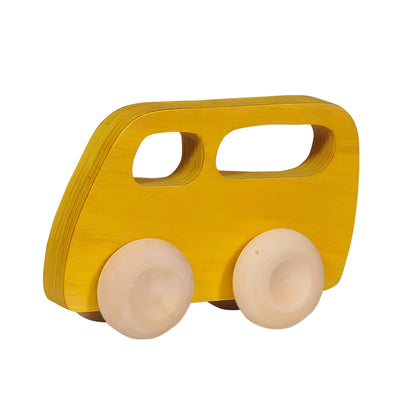
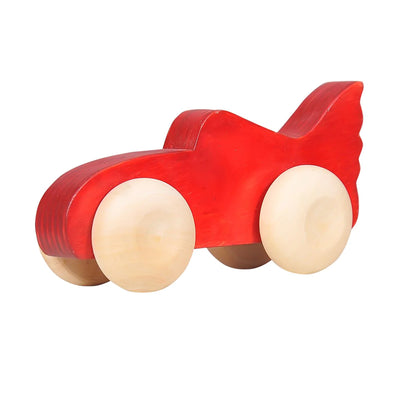
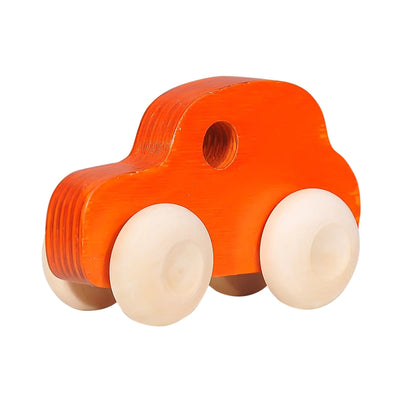
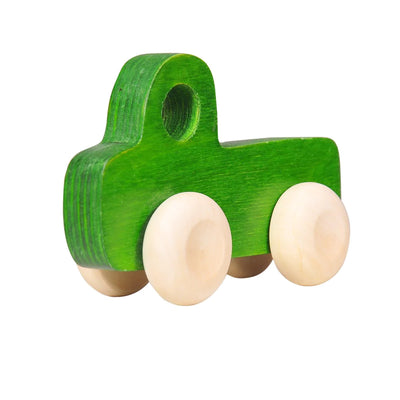
Montessori toys, unlike passive entertainment, encourage active engagement, critical thinking, and fine motor skills. These materials are not just for academic learning; they are tools for developing focus, patience, and the ability to work independently or cooperatively, all of which contribute to strong emotional regulation. Selecting toys that invite exploration and discovery empowers children to regulate their internal world as they master their external one.
How can I help my child deal with big feelings?
Helping your child deal with big feelings involves validating their emotions, teaching them to identify what they are feeling, and offering constructive ways to express these emotions. Create a safe space where they feel heard and understood, without judgment.
What is the role of Montessori in emotional control?
Montessori education fosters emotional control through a prepared environment that promotes independence, concentration, and self-directed activity. Children learn self-discipline and the ability to manage their impulses through purposeful work and respect for their surroundings.
How important is resilience for kids in a competitive Indian environment?
Resilience is critically important for kids in India's competitive landscape as it equips them to bounce back from setbacks, cope with academic pressures, and adapt to change. It builds mental fortitude necessary for long-term success and well-being.
When should parents start teaching emotional self-regulation?
Parents should begin teaching emotional self-regulation from infancy, by responding consistently to their child's needs and modeling calm behavior. Early childhood, particularly from 18-24 months, is a crucial period for laying foundational emotional skills.
Are there specific activities for frustration tolerance in children?
Yes, activities that build problem-solving skills and require sustained effort, such as age-appropriate puzzles, building blocks, or Montessori practical life exercises, enhance frustration tolerance. Encourage perseverance and celebrate effort, not just outcomes.
- Emotional self-regulation is the ability to manage one's emotions constructively, vital for children navigating India's competitive world.
- Parents serve as primary role models, demonstrating healthy emotional responses and self-soothing techniques to their children.
- Creating a "safe space" for children to express "big feelings" without judgment is fundamental for emotional development.
- Teaching children to identify and name their emotions is a crucial first step towards developing self-awareness and self-control.
- Montessori principles, such as a prepared environment and purposeful work, naturally foster independence, concentration, and emotional control.
- Resilience, built through problem-solving and adaptability, empowers Indian children to cope with academic and social pressures effectively.