Respectful Communication Children: Beyond 'Nangu-Pangu'
The recent buzz around actor Nakuul Mehta's call to shun 'toxic things parents should never ever say' has resonated deeply with many Indian families. It brings to light a critical, often unexamined, aspect of parenting: our everyday language. Cultivating respectful communication children need is paramount for their emotional well-being and growth, especially when traditional phrases like 'Nangu-Pangu' are ingrained in our cultural fabric. This type of shaming language, though often unintentional, can significantly impact a child's developing self-concept.
Respectful communication with children involves engaging with them as capable individuals, validating their feelings, and using language that promotes understanding over control. This matters profoundly because it directly shapes a child's self-esteem, their ability to express themselves, and their emotional intelligence – qualities now recognized by global initiatives like Isha Ambani's 'Emotions Lab' as vital for success. Indian parents can begin by consciously replacing dismissive labels with empathetic and descriptive dialogue, following Montessori-inspired practices.
Why "Nangu-Pangu" and Other Toxic Phrases Parents Say Can Hurt
In many Indian homes, it's not uncommon to hear terms like "Nangu-Pangu" (meaning messy or silly in a demeaning way), "Gadhe" (donkey), or "Nikamma" (useless) used towards children. Parents often employ these phrases from their own upbringing, perhaps believing it teaches discipline or toughens a child for the competitive world. However, child development experts agree that such language, even when playful, can be deeply damaging. Research from the American Academy of Pediatrics highlights that children internalize these labels, impacting their self-worth and creating communication barriers. This can lead to anxiety, a reluctance to express feelings, and a fear of making mistakes – precisely the opposite of what we want for emotionally intelligent children.
Montessori Communication Tips for Positive Parenting Language
Maria Montessori believed in respecting the child as an individual, and her philosophy offers powerful strategies for fostering positive, respectful communication. Instead of focusing on control, Montessori encourages understanding and guidance. Here are actionable tips for parents to adopt:
Observe First, React Second: The Power of Presence
Before responding to a child's outburst or misstep, take a moment to observe their actions and try to understand the underlying need or emotion. For instance, if your 3-year-old, Aarya, is screaming because her sibling took her building blocks, instead of saying, "Stop being a Nangu-Pangu, share your toys!", you could observe her distress. Then, gently approach her and say, "Aarya, I see you are very upset because your blocks were taken. You were still playing with them." This validates her feelings and opens a channel for dialogue. Observation is a cornerstone of Montessori education, teaching us to see the child, not just the behavior.
Name Emotions to Build Emotional Intelligence Parenting India Needs
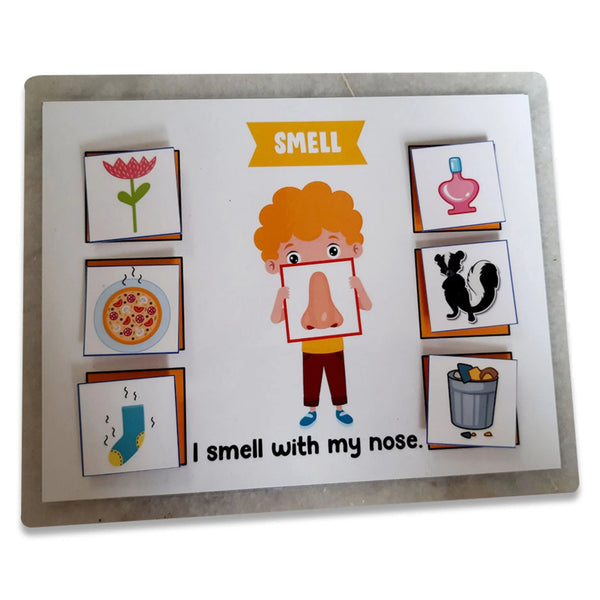
Children, especially toddlers (18-36 months), are grappling with big emotions without the vocabulary to express them. As parents, we can help them by naming what they might be feeling. Instead of "Don't be sad over that tiny scratch!", try, "That scratch looks painful, and it's okay to feel a little sad or frustrated when you get hurt." This builds their emotional vocabulary and teaches them that all emotions are valid. Studies indicate that children whose emotions are validated early on develop stronger emotional regulation skills. Consider introducing age-appropriate activity kits that help children identify and express emotions.
Use "I" Statements to Guide, Not Blame
When addressing a child's actions, shift from "You always make a mess!" to "I feel frustrated when I see toys all over the floor because it makes our home untidy." This models taking responsibility for your own feelings and helps the child understand the impact of their actions without feeling personally attacked. It's a powerful tool for positive parenting language.
Set Limits with Empathy and Clarity
Children thrive with clear boundaries, but these limits should be communicated respectfully. Rather than a harsh "No!", explain the "why." If your child wants to touch a hot stove, instead of yelling, calmly state, "The stove is hot, and if you touch it, it will hurt your hand. We need to be careful with hot things." This teaches safety and respect for rules without resorting to fear or shaming.
Create a Prepared Environment for Communication
Just as a Montessori classroom has a prepared environment for learning, a home can be prepared for respectful communication. This means creating spaces where children feel safe to express themselves without interruption or judgment. Ensure you set aside dedicated, undistracted time to listen, perhaps during a meal or a quiet evening play session with materials like simple wooden blocks or practical life tools. A child who feels heard is more likely to listen.
The Lasting Impact of Respectful Communication
The Times of India recently highlighted that emotional intelligence often matters more than academic scores for children's long-term success. By embracing respectful communication children truly deserve, we equip them with more than just good manners. We foster empathy, resilience, and a strong sense of self, preparing them to thrive not just in school, but in all their relationships and future endeavors. Moving beyond phrases like 'Nangu-Pangu' isn't just about avoiding negativity; it's about actively building a foundation of love, trust, and mutual respect that will last a lifetime.