Toxic Phrases Indian Parents Must Avoid for EQ
Toxic phrases Indian parents often use, such as dismissive comparisons or shaming language, significantly hinder a child's emotional intelligence development. These common linguistic habits, often rooted in cultural norms or generational patterns, unintentionally teach children to suppress feelings, doubt their self-worth, and struggle with authentic expression, impacting their ability to form healthy relationships and cope with stress effectively.
Emotional Intelligence in Children is the ability to understand, manage, and express one's own emotions, and to recognize and respond appropriately to the emotions of others. This matters profoundly because it predicts success in school, relationships, and life satisfaction more accurately than IQ. Indian parents can actively cultivate EQ by adopting empathetic communication and providing a safe space for emotional expression.
The Subtle Erosion of Confidence: Harmful Words for Children
The words we choose as parents carry immense power, shaping our children's inner worlds. Research shows that consistent exposure to negative verbal communication can alter a child's brain development, affecting areas responsible for emotional regulation and self-perception. During critical developmental windows, particularly between 18-36 months, children absorb language patterns that form the bedrock of their self-identity.
Recently, actor Nakuul Mehta sparked an important conversation, highlighting several toxic things parents should ‘never ever’ say to their children, including the widely used 'nangu-pangu' and 'be a good girl/boy'. His insights resonate deeply, urging us to examine the subtle yet profound impact of our everyday language within the unique fabric of Indian family life.
'Nangu-Pangu' Meaning: More Than Just Playful Teasing
In many Indian homes, terms like 'nangu-pangu' (often used playfully to describe a child's nakedness or a general sense of being silly/uncovered) might seem harmless. However, child development experts agree that labeling a child's body or appearance, even playfully, can instill body image issues and shame from a very young age. This casual use can inadvertently teach children to feel uncomfortable or embarrassed about their natural bodies, fostering insecurity rather than body positivity.
Such seemingly innocuous phrases, when repeated, chip away at a child's intrinsic self-worth. They communicate that their body is something to be hidden or mocked, rather than respected. Fostering a healthy body image starts with respectful language from parents and caregivers, reinforcing a child's autonomy and self-acceptance.
The Weight of Expectations: Impact of 'Be a Good Girl/Boy' on Kids
The phrase "Be a good girl" or "Be a good boy" is ubiquitous in Indian parenting, often used to encourage obedience and compliance. While seemingly positive, this directive can create a deep-seated need for external validation, turning children into people-pleasers who suppress their true feelings and desires to meet perceived expectations. In many Indian households, the desire for 'adarsh' (ideal) children often leads to this seemingly innocuous phrase, yet it can stifle genuine self-expression.
Studies indicate that children constantly praised for being 'good' often develop a fear of failure and struggle with intrinsic motivation, leading to anxiety and difficulty making independent choices. They may learn that their worth is tied to their performance and conformity, rather than their inherent value as unique individuals. True emotional intelligence thrives when children feel safe to explore, make mistakes, and express their authentic selves, free from the constant pressure to conform to an external 'good' standard.
Beyond Criticism: Bad Parenting Phrases India Must Rethink
Beyond 'nangu-pangu' and 'be a good child', several other toxic phrases Indian parents often use unknowingly undermine emotional resilience. Comparing children to cousins or neighbours ('Look at Sharmaji's son/daughter, why can't you be like them?') is a common habit that fosters deep-seated inadequacy and sibling rivalry. This practice teaches children to measure their worth against others, leading to constant anxiety and a diminished sense of self.
Phrases like 'Don't cry, be strong!' invalidate a child's emotions, teaching them to suppress sadness or fear rather than process it. Similarly, threatening withdrawal of love ('If you do this, I won't love you') creates conditional love, instilling fear and insecurity instead of trust. Labeling children with terms like 'You're so clumsy,' 'You're always lazy,' or 'You never listen' directly attacks their identity, cementing negative self-beliefs that are incredibly hard to shake off later in life.
Cultivating Emotional Intelligence Communication: A Respectful Parenting India Approach
Shifting from critical to constructive communication is a cornerstone of fostering emotional intelligence. Respectful parenting in the Indian context means moving beyond traditional hierarchies to truly hear and validate a child's perspective, even if you don't agree. This approach acknowledges that children, like adults, have feelings, thoughts, and needs that deserve consideration and respect.
Maria Montessori emphasized respecting the child as an individual, advocating for communication that fosters independence and self-discovery. This philosophy encourages parents to observe, listen, and offer guidance rather than control. Instead of shaming, describe the behavior and its impact, then offer solutions. For example, 'I see your toys are on the floor; someone might trip. How can we put them away together?'
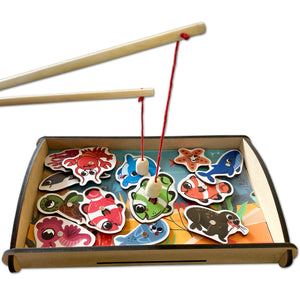
Engaging children with open-ended play and materials like our activityKits can encourage self-expression and problem-solving, fostering confidence that words alone cannot build. These kits provide opportunities for children to learn from their own actions, developing a sense of mastery and resilience. Similarly, Montessori materials, such as the pink tower or sandpaper letters, naturally invite children to explore and learn without constant verbal instruction or judgment, reinforcing their innate capabilities.
Adopting an empathetic communication style, where parents acknowledge and label their child's emotions ('It looks like you're feeling frustrated because the block tower fell'), helps children develop a robust emotional vocabulary. This directly correlates with better emotional regulation and stronger social skills, as they learn to understand their own feelings and empathize with others. Remember, building emotional intelligence is a journey of conscious communication, one phrase at a time.
- Toxic phrases, even well-intentioned ones, significantly impede a child's healthy emotional development.
- Phrases like 'nangu-pangu' contribute to body shame and insecurity, impacting self-esteem from a young age.
- The 'be a good child' directive often stifles authenticity, creating people-pleasers and a fear of failure.
- Invalidating a child's emotions, rather than acknowledging them, hinders their ability to process and cope with feelings.
- Respectful parenting involves conscious language choices, active listening, and validating a child's perspective.
- Montessori education fosters independence and self-expression through prepared environments and supportive, non-judgmental communication.
Why are phrases like 'nangu-pangu' considered harmful for children?
Phrases such as 'nangu-pangu,' often used playfully in India, are harmful because they can instill body shame and insecurity from a young age. These words inadvertently teach children that their physical appearance is subject to judgment, impacting their self-esteem and comfort with their own bodies.
How does parental communication impact a child's emotional intelligence?
Parental communication profoundly shapes a child's emotional intelligence by influencing how they perceive and express emotions. Dismissive or critical language can teach children to suppress feelings, while empathetic and validating communication helps them understand and manage their emotions effectively, fostering resilience and healthy relationships.
What are better alternatives to telling a child 'Don't cry' or 'Be strong'?
Instead of dismissing tears, validate your child's feelings by saying, 'I see you're feeling sad, it's okay to cry' or 'That sounds frustrating.' This teaches them that all emotions are acceptable and provides a safe space for them to process their feelings, strengthening their emotional vocabulary and coping skills.
Can changing how parents speak really make a difference in a child's long-term development?
Yes, changing parental language has a profound long-term impact on a child's development. Consistent respectful and empathetic communication fosters higher self-esteem, better emotional regulation, and stronger social skills, shaping their overall personality and future success significantly.
How can Montessori toys support emotional development alongside positive communication?
Montessori toys, like practical life materials or sensorial tools, support emotional development by promoting independence, problem-solving, and self-confidence through hands-on exploration. When combined with positive communication, these materials empower children to learn without constant verbal correction, fostering a strong sense of self-efficacy and emotional resilience.
What does 'respectful parenting India' entail in daily interactions?
Respectful parenting in India involves treating children as individuals with agency and dignity, listening actively, validating their emotions, and setting boundaries with empathy. It means moving away from traditional authoritarian methods towards collaborative problem-solving, fostering a secure attachment and mutual respect within the family, even amidst joint family dynamics.