Wooden Puzzles for Kids: Building Emotional Resilience
Wooden puzzles for kids are fundamental tools for fostering emotional resilience and robust problem-solving skills in Indian children. These engaging educational toys provide a safe space for young learners to encounter challenges, develop persistence, and experience the satisfaction of overcoming obstacles, directly contributing to their emotional and cognitive growth. As parents in India increasingly recognise the importance of holistic development over mere academic scores, integrating such foundational activities becomes paramount.
In our vibrant, often competitive society, equipping children with the ability to manage emotions and navigate complex situations is a gift. The recent discussions, like The Times of India highlighting emotional intelligence over academic grades, and initiatives such as the NMACC and Reliance Foundation's 'Emotions Lab,' underscore a national shift towards prioritising these vital life skills from a young age.
What is Emotional Intelligence?
Emotional intelligence is the capacity to understand and manage one's own emotions, and to recognize and influence the emotions of others. This matters profoundly because it impacts social interactions, academic success, and overall well-being. Indian parents can cultivate this vital skill by offering engaging, hands-on learning experiences, like those provided by Montessori-inspired wooden puzzles.
The Core Benefits of Wooden Puzzles for Emotional Development
Child development experts agree that play is a child's natural way of learning, and wooden puzzles offer a unique platform for crucial puzzles emotional development. From a simple knob puzzle for toddlers to intricate jigsaw puzzles for older children, each piece placed is a step towards self-regulation and emotional awareness. These toys demand focused attention, a skill increasingly vital in our distraction-filled world.
Studies indicate that children engaged in regular puzzle play exhibit better impulse control and emotional regulation. The act of patiently fitting pieces together, even when it's challenging, helps children build a strong foundation for managing future frustrations, whether it's a difficult school assignment or a disagreement with a sibling.
Cultivating Frustration Tolerance and Persistence
Every child, regardless of their background, encounters moments of frustration. For Indian children, facing academic pressure or navigating social dynamics in a joint family, developing frustration tolerance is critical. Wooden puzzles provide a low-stakes environment where children can grapple with a problem, try different solutions, and experience the feeling of overcoming a hurdle independently.
This cycle of effort, momentary setback, and eventual success teaches children invaluable lessons about persistence. Research shows that early exposure to such experiences builds grit, a cornerstone of emotional resilience, preparing them for more complex challenges as they grow. Grandparents often cherish watching their little ones meticulously work through a puzzle, offering encouragement without intervention.
Fostering Problem-Solving Skills and Cognitive Development
Beyond emotional gains, wooden puzzles are powerful cognitive development toys that directly enhance problem-solving skills kids India. As children manipulate pieces, they engage in spatial reasoning, pattern recognition, and logical deduction. They learn to strategize, anticipate outcomes, and adapt their approach when an initial attempt doesn't work.
These hands-on activities lay the groundwork for abstract thinking, crucial for academic subjects like mathematics and science. Offering a diverse range of activity kits, including various wooden puzzles, ensures children develop these critical skills in an engaging and age-appropriate manner, setting them up for success.
Montessori Principles and Emotional Intelligence Through Puzzles
Maria Montessori, a pioneer in child education, advocated for self-correcting materials that foster independence and concentration. Wooden puzzles perfectly embody these Montessori puzzles emotional intelligence principles. Children learn from their own mistakes, adjusting pieces until they fit, without needing constant adult intervention.
This self-directed learning builds a sense of competence and autonomy. For toddlers (18-24 months), simple shape puzzles enhance fine motor skills and hand-eye coordination. For preschoolers, more complex geographical or numerical puzzles engage higher-order thinking, fostering a deep concentration that is essential for emotional regulation and academic readiness.
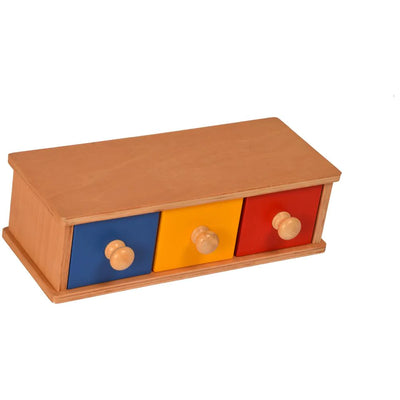
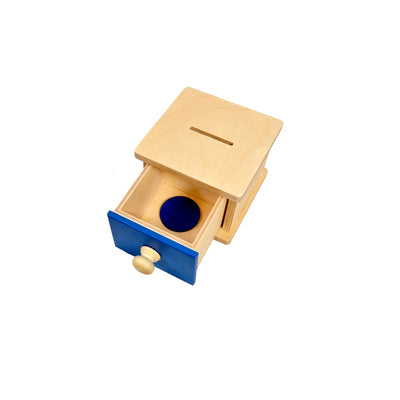
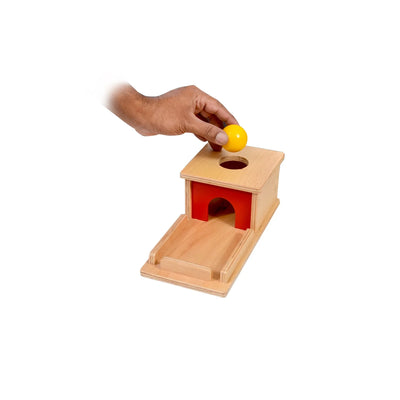
At SkilloToys, our range of Montessori materials is designed to support this holistic development, offering children tools that empower them to explore, discover, and learn at their own pace. This approach nurtures not just intellect, but also the emotional fortitude needed to thrive.
Beyond the Board: Real-World Resilience for Indian Children
The resilience and problem-solving skills honed through wooden puzzles extend far beyond the playmat. Children who learn to manage frustration with a puzzle are better equipped to handle disappointment in school, negotiate friendships, or cope with the expectations of Indian festivals and family gatherings.
In an educational environment where the focus is traditionally on rote learning and exam scores, nurturing emotional intelligence provides children with a distinct advantage. It aligns with the growing sentiment that well-rounded individuals, capable of empathy and critical thinking, are better prepared for the future, a sentiment echoed by public figures like Isha Ambani supporting initiatives like the 'Emotions Lab'.
Choosing the Right Wooden Puzzles for Your Child's Journey
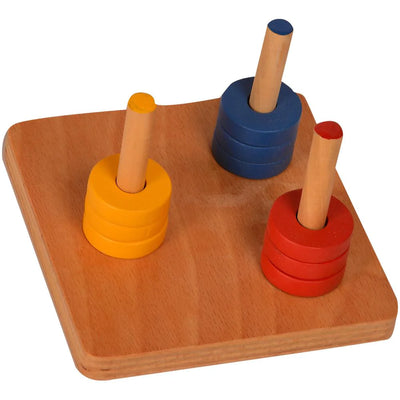
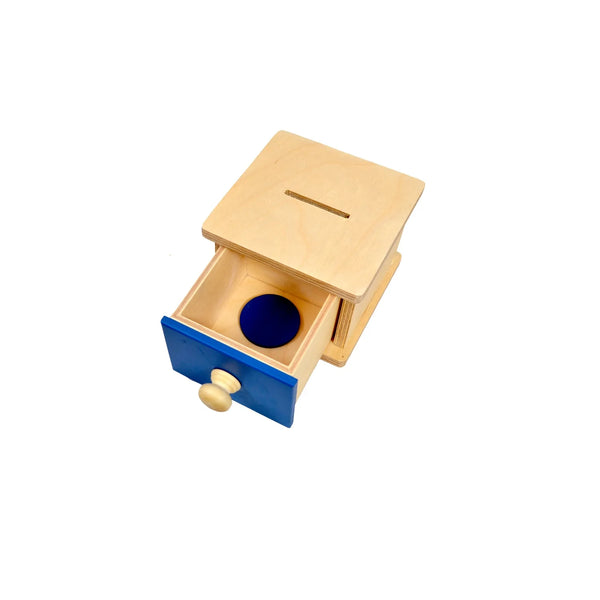
When selecting wooden puzzles for your child, consider their age, developmental stage, and interests. Start with simple knob puzzles for toddlers to develop fine motor skills and progress to multi-layered puzzles or jigsaws as they grow. The key is to offer a challenge that is stimulating but not overwhelming, ensuring a positive and rewarding experience.
Encourage independent play, but be present to offer gentle encouragement when needed. Celebrate their successes, no matter how small, reinforcing the positive connection between effort and achievement. This supportive environment is crucial for building self-esteem and fostering a lifelong love for learning and problem-solving.
- Wooden puzzles are vital for developing emotional resilience and problem-solving in children.
- They cultivate frustration tolerance, teaching kids to persist through challenges independently.
- Montessori principles in puzzles foster concentration, self-correction, and independence.
- Regular puzzle play enhances cognitive development, logical reasoning, and spatial awareness.
- These skills translate directly into managing real-world pressures faced by Indian children.
- Choosing age-appropriate puzzles ensures optimal engagement and skill development.
Why are wooden puzzles better than plastic puzzles for emotional development?
Wooden puzzles offer a superior tactile experience, encouraging sensory engagement and a deeper connection to the material. Their durability teaches children respect for objects and provides a consistent, satisfying challenge that plastic alternatives often lack, reinforcing patience and persistence more effectively.
At what age should I introduce wooden puzzles to my child?
Wooden puzzles can be introduced as early as 12-18 months with simple knob puzzles or shape sorters designed for toddlers. These initial puzzles help develop fine motor skills, hand-eye coordination, and early problem-solving, laying a foundation for more complex emotional and cognitive development.
How do puzzles help with a child's frustration tolerance?
Puzzles naturally present challenges, requiring children to try different approaches and persist despite initial failures. This repeated exposure to solvable problems, where success is achieved through effort, builds a child's capacity to tolerate frustration and develop resilience, understanding that challenges can be overcome.
Can puzzles improve a child's focus and concentration?
Yes, puzzles are excellent tools for enhancing focus and concentration. The task of identifying, manipulating, and fitting pieces requires sustained attention, gradually extending a child's attention span. This focused engagement is crucial for developing the ability to concentrate on tasks, a key aspect of emotional and academic success.
What types of wooden puzzles are best for fostering emotional intelligence?
For emotional intelligence, puzzles that encourage independent problem-solving and self-correction are ideal. Shape sorters, simple jigsaws, and multi-layered puzzles that incrementally increase in complexity allow children to manage their own learning process, fostering a sense of accomplishment and emotional regulation. Look for Montessori-inspired designs.