Autism Spectrum Disorder Symptoms & Causes for Indian Parents
Understanding Autism Spectrum Disorder (ASD) Symptoms & Causes is a crucial first step for Indian parents navigating their child's unique developmental path. As a recent report from Cleveland Clinic highlighted, grasping these foundational aspects empowers families to make informed choices. This guide aims to provide that clarity, addressing common concerns and offering practical insights into supporting your child's growth through inclusive play, particularly with Montessori educational toys.
Autism Spectrum Disorder (ASD) is a neurodevelopmental condition affecting how a person perceives and socializes, leading to challenges in social interaction and communication. This matters because early recognition allows for timely interventions, which significantly improve developmental outcomes. Indian parents can empower themselves by learning the signs and understanding how a supportive home environment, coupled with appropriate educational tools, can foster their child's potential.
Early Signs of Autism in Children: What Indian Parents Should Observe
Identifying the early signs of autism in children is paramount, especially within the dynamic context of Indian families. While every child develops at their own pace, consistent patterns of atypical behavior warrant attention. Child development experts agree that key indicators often emerge between 12 and 24 months, sometimes even earlier.
Parents might notice a lack of consistent eye contact, even during feeding or cuddling, or that their child doesn't respond when their name is called, unlike a typically developing child who would turn around, perhaps distracted, but acknowledge. A three-year-old in a Bengaluru joint family, for instance, might prefer playing alone in a corner with a specific toy, rather than engaging with cousins during a lively festival gathering. They might also show delayed or absent speech, or repeat phrases without understanding their meaning.
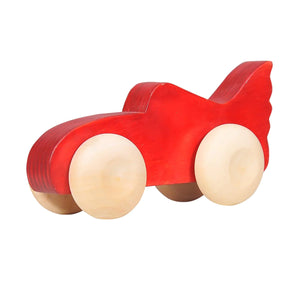
Beyond social communication, repetitive behaviors are also key indicators. This could manifest as persistent hand-flapping, body rocking, or an intense, unwavering focus on specific parts of toys, like spinning the wheels of a toy car for extended periods. A child might also show unusual reactions to sensory input—being overly sensitive to loud noises during Diwali celebrations, or a strong aversion to certain textures of food, even common Indian dishes.
According to the Indian Academy of Pediatrics, early identification and intervention are crucial. Observing these patterns, rather than dismissing them as shyness or 'just a phase,' is the first step towards seeking support. Documenting these observations can be incredibly helpful when consulting with a specialist.
Understanding Autism's Causes: A Look Beyond Myths for Indian Families
For many Indian families, discussions around a child's developmental differences can be sensitive, often clouded by misinformation or societal stigma. It's vital to address the causes of Autism Spectrum Disorder (ASD) based on scientific evidence, moving past common myths prevalent in our communities. Research shows that ASD is a complex neurobiological condition, primarily rooted in a combination of genetic and environmental factors.
Genetic predisposition plays a significant role. Studies indicate that while specific genes haven't been identified for all cases, variations in multiple genes can increase a child's susceptibility to ASD. It often runs in families, suggesting a strong hereditary component. Environmental factors, such as advanced parental age, prenatal exposure to certain medications, or complications during birth, are also being investigated, though their impact is less understood and often interacts with genetic factors.
It is definitively established by global health organizations and medical bodies like the World Health Organization (WHO) and the Indian Academy of Pediatrics that vaccines do not cause autism. This myth has been widely debunked by extensive scientific research. Similarly, parenting styles, diet, or lack of love do not cause ASD. Autism is a difference in brain development, not a result of a parent's actions.
Empowering parents with accurate information helps to dispel guilt and stigma, allowing families to focus on understanding and supporting their child rather than searching for blame. This foundational knowledge is crucial for informed decision-making regarding therapies and educational approaches.
Montessori Toys for ASD Symptoms: Fostering Inclusive Play in Indian Homes
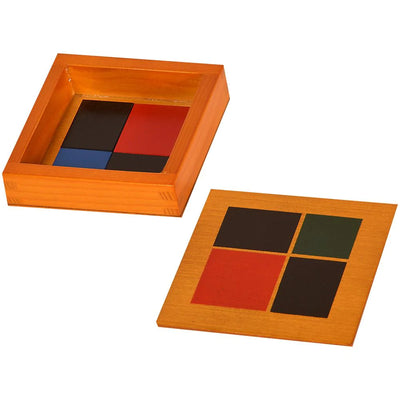
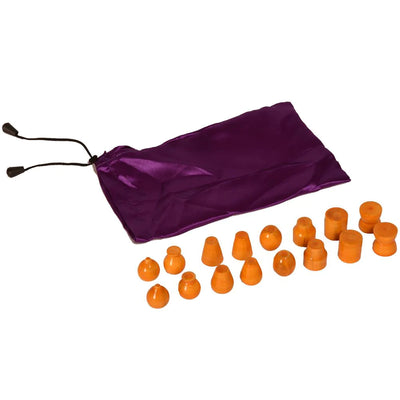
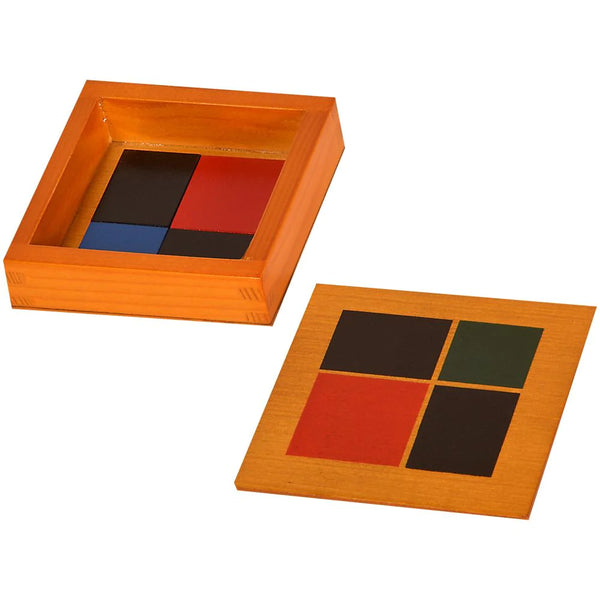
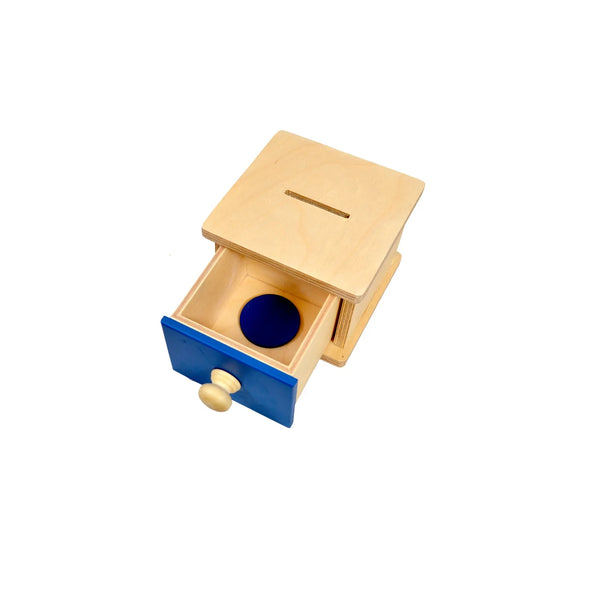
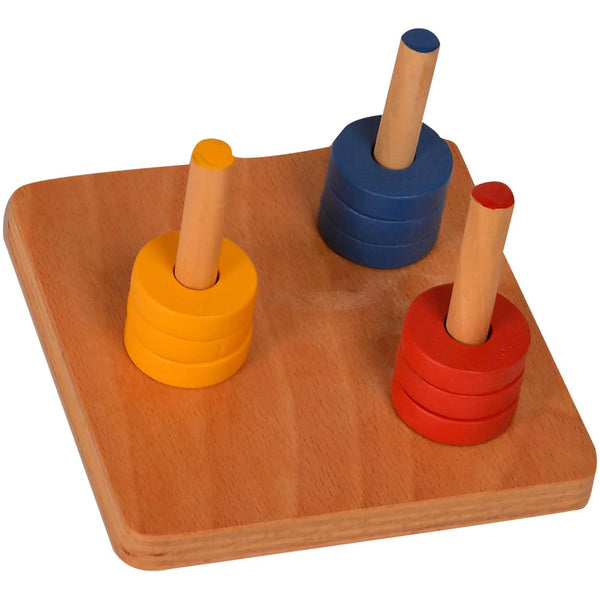
Maria Montessori's philosophy, with its emphasis on a prepared environment and purposeful, self-directed activity, offers a uniquely beneficial approach for children with ASD. Montessori toys for ASD symptoms are not just 'playthings'; they are tools designed to meet specific developmental needs, promoting focus, order, and sensory integration—qualities often cherished by children on the spectrum.
For a child who struggles with sensory overload, a set of fine motor skill toys like lacing beads or stacking blocks provides predictable, tactile input without overwhelming stimuli. The repetitive, sequential nature of these activities can be calming and help channel focused energy. Consider the satisfying weight and smooth finish of a wooden puzzle or the distinct textures of sandpaper letters; these engage specific senses in a controlled manner, aiding sensory regulation.
Inclusive play strategies for autism in India often involve adapting the environment and activities. In a joint family setting, a child with ASD might benefit from a dedicated 'work area' where they can engage with a Montessori material like the Pink Tower or Brown Stair without interruption. This fosters a sense of order and predictability. Later, these activities can be introduced as parallel play, where other family members work alongside, rather than directly with, the child.
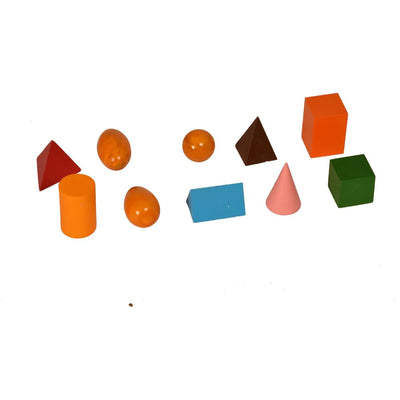
The self-correcting nature of many Montessori materials, such as shape sorters or knobbed cylinders, allows children to learn from their mistakes independently, building confidence without external judgment. This independence is particularly valuable for children with ASD, who often thrive with clear boundaries and direct feedback. These materials encourage concentration and problem-solving, turning what might appear as repetitive play into profound learning experiences. Explore our full range of Montessori method learning materials to find tools that resonate with your child's unique needs and interests.
Seeking Support: The Path to Autism Diagnosis in India
For many Indian parents, the journey towards an autism diagnosis in India can feel daunting, but it is a critical step towards unlocking appropriate support and interventions. Early diagnosis is consistently linked to better long-term outcomes, as it allows access to specialized therapies and educational strategies during crucial developmental windows.
If you suspect your child may have ASD, the first step is to consult your pediatrician. They can conduct initial screenings and refer you to developmental pediatricians, child psychologists, or psychiatrists who specialize in neurodevelopmental disorders. These specialists will conduct comprehensive evaluations, which often involve observing your child, interviewing parents, and using standardized diagnostic tools tailored to cultural contexts.
It's important to remember that a diagnosis is not a label but a roadmap. It opens doors to therapies such as Applied Behavior Analysis (ABA), speech therapy, occupational therapy, and special education programs. In India, numerous centers and practitioners are available, though accessibility can vary by region. Seeking support early not only benefits the child but also provides parents with resources, guidance, and a community that understands their journey.
Understanding Autism Spectrum Disorder (ASD) symptoms and causes is a profound act of love and commitment for Indian parents. By observing closely, seeking timely professional guidance, and creating a nurturing environment with purposeful tools like Montessori toys, you are laying a strong foundation for your child's holistic development. Remember, every child brings their own light, and with the right understanding and support, that light can shine brilliantly.