Board Games for Kids: Inclusive Fun for All Abilities India
Choosing the right board games for kids is paramount for fostering an inclusive play environment where every child, irrespective of their abilities, can thrive and learn together in Indian households. The top inclusive board games are designed with adaptability, clear rules, and varied sensory engagement to ensure all children participate joyfully and meaningfully, enriching family connections.
Inclusive board games are educational play materials specifically crafted to accommodate diverse learning styles and developmental needs, promoting participation from all children. This matters because they facilitate vital social interaction, cognitive growth, and emotional understanding in a structured setting. Indian parents can leverage these games to create enriching family experiences that celebrate every child's unique contributions.
Why Inclusive Board Games Matter for Every Child in India
Creating spaces where all children feel seen, heard, and valued is fundamental to their holistic development. Inclusive board games are not just about fun; they are powerful tools for social-emotional learning, particularly for children with special needs.
Research consistently demonstrates that purposeful play, particularly with board games, significantly enhances social communication skills in children with autism spectrum disorder, as highlighted by expert insights into how toys for autistic children can foster inclusivity. These structured interactions help children practice turn-taking, sharing, and emotional regulation in a safe environment, skills crucial for navigating everyday life.
Child development experts, including proponents of the Montessori method, consistently highlight that play is a child's work. For children with diverse abilities, this "work" becomes even more critical, allowing them to build confidence, improve concentration, and develop problem-solving skills at their own pace. Inclusive games bridge developmental gaps and promote understanding among siblings and friends in joint family settings.
Key Features of Effective Inclusive Board Games for Special Needs Children
When selecting board games for special needs children, certain features stand out as essential for ensuring true inclusivity and engagement. These characteristics are aligned with Montessori principles of accessibility and self-correction, making learning joyful and frustration-free.
Look for games that offer multiple ways to play or win, allowing children with varying skill levels to contribute meaningfully. Clear, visual instructions are invaluable, as are components that are easy to manipulate, especially for developing fine motor skills.
Sensory engagement is another crucial aspect; games that incorporate tactile elements, bright colours, or auditory cues can significantly enhance participation and understanding. Adaptability means the game can grow with the child, offering simplified versions for beginners and more complex challenges as skills develop.
Top Montessori-Aligned Inclusive Board Games for Kids in India
Here at SkilloToys, we believe in the power of purposeful play. Our selection of educational board games India parents trust is curated to support diverse learning needs, aligning with Montessori's emphasis on practical life skills and cognitive development.
1. Collaborative Storytelling Games: Building Imagination Together
Games that encourage collaborative storytelling, like those involving picture cards or narrative prompts, are excellent for fostering communication and imagination without the pressure of competition. Children build a story together, enhancing language skills and social cooperation.
These games are particularly beneficial for children who might find competitive play overwhelming, allowing them to express themselves creatively. They provide a wonderful opportunity for grandparents and children to bond over shared narratives, drawing from rich Indian folklore and personal family stories.
2. Multi-Sensory Matching & Sorting Games: Engaging All Senses
Matching and sorting games, especially those with tactile or sound components, are fundamental for developing cognitive skills and sensory integration. Examples include games where children match textures, sounds, or shapes, often made from natural, durable materials.
These types of Montessori board games provide concrete learning experiences, crucial for children who learn best through hands-on interaction. They are excellent for improving concentration, visual discrimination, and categorisation skills, essential building blocks for academic success.
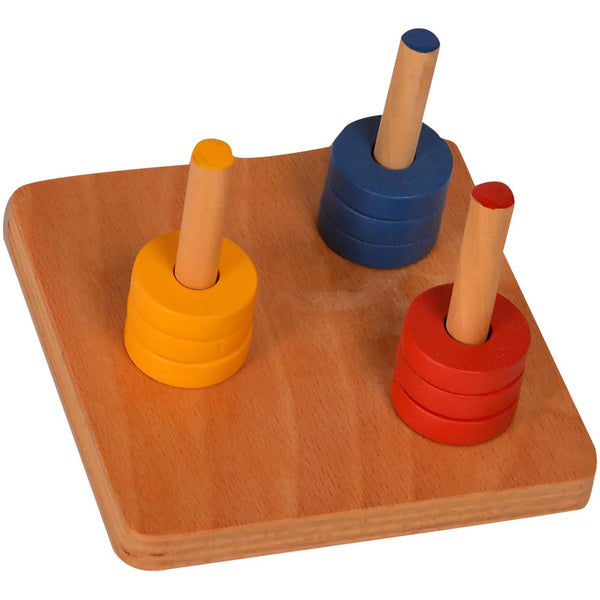
3. Dexterity & Stacking Games: Enhancing Fine Motor Control
Games requiring careful stacking, balancing, or precise placement are invaluable for honing fine motor skills and hand-eye coordination. These activities offer immediate feedback, allowing children to self-correct and refine their movements.
While seemingly simple, the focus and precision required for these games can be incredibly calming and satisfying for children. They teach patience and persistence, vital qualities for navigating school pressures and daily tasks in Indian homes.
4. Simple Strategy & Problem-Solving Games: Cognitive Growth
Introducing simple strategy games, where children make choices that impact the game's outcome, helps develop critical thinking and problem-solving abilities. Games with clear rules and logical progression are ideal.
These games don't need to be complex; even basic "path-finding" or "resource management" games can introduce strategic thinking. They are crucial for cognitive development, helping children learn to plan, anticipate, and adapt, skills that translate directly into everyday challenges.
Fostering Inclusivity Beyond the Board: Indian Family Dynamics
The spirit of inclusive play extends beyond the board game itself, integrating seamlessly into the fabric of Indian family life. With the recent focus on local manufacturing and quality educational toys, such as the Tamil Nadu government's initiative to turn the state into a toy-making hub, accessing these resources is becoming easier for families across India.
Encouraging siblings, cousins, and even grandparents to join in creates a rich, supportive environment. These shared experiences not only strengthen family bonds but also teach empathy and understanding, making every child feel like a valued part of the "team." These are the joyful memories that last a lifetime, shaping compassionate individuals.
- Inclusive board games are vital for fostering social-emotional and cognitive development in all children.
- Montessori principles enhance the accessibility and educational value of board games for diverse learners.
- Research indicates structured play significantly improves communication skills in children with special needs.
- India's growing toy manufacturing sector supports the availability of high-quality educational play materials.
- Selecting games based on adaptability, sensory input, and clear rules benefits children of all abilities.
- Shared family play with inclusive board games strengthens bonds and reduces perceived differences.
What makes a board game inclusive for children with special needs?
An inclusive board game features adaptable rules, multiple ways to participate, and engages various sensory inputs to accommodate diverse learning styles. It prioritizes clear instructions and encourages cooperation over strict competition, ensuring all children feel valued and can contribute to the play.
How do Montessori principles apply to inclusive board games?
Montessori principles emphasize self-directed learning, multi-sensory engagement, and practical life skills, which are crucial for inclusive board games. Games aligned with Montessori values offer clear objectives, allow for independent exploration, and are often made from natural materials, fostering concentration and hands-on learning.
At what age can children with special needs start playing board games?
Children with special needs can begin engaging with simple board games as early as 2-3 years old, depending on their individual developmental stage and the game's complexity. Starting with basic matching or sorting games helps build foundational skills for more complex play, always focusing on their interest and readiness.
Can board games help children with autism develop social skills?
Yes, board games are highly effective tools for children with autism to develop vital social skills, as research consistently demonstrates. They provide structured environments for practicing turn-taking, sharing, understanding rules, and navigating social interactions, all within a predictable and supportive context.
Where can I find high-quality inclusive board games in India?
High-quality inclusive board games can be found at specialized educational toy stores like SkilloToys.com, which curates Montessori-aligned materials for diverse needs. The growing Indian toy manufacturing sector, exemplified by initiatives like Tamil Nadu's new policy, is also increasing the availability of locally produced, culturally relevant options.