Children Naming Stuffed Toys Psychology for Special Needs
Children naming stuffed toys is a profound psychological behaviour, observed across cultures including India, that significantly aids emotional development, social understanding, and self-expression. Research shows this practice creates a vital internal world, especially for special needs children, allowing them to process emotions and practice social scripts in a safe, controlled environment. For Indian parents, recognising this profound act means understanding a unique window into their child's inner world and supporting their growth with intention.
The psychology of children naming stuffed toys refers to the cognitive and emotional processes involved when a child assigns a name and personality to an inanimate object, typically a toy. This matters because it indicates advanced imaginative play, empathy development, and often serves as a crucial comfort mechanism. Indian parents can encourage this by acknowledging the toy's 'identity' and engaging with the child's imaginative narratives.
Beyond Playtime: The Deep Roots of Naming Toys for All Children
The act of naming a stuffed toy or even a household object, as highlighted by recent psychological insights from The Times of India, is far more than mere childish fancy. It signifies a significant leap in a child's cognitive and emotional landscape. When a child names a toy, they are essentially granting it agency, personality, and a place in their social world, thereby laying groundwork for complex social cognition.
Child development experts agree that this process is foundational for empathy. By imagining the toy's feelings or reactions, children practice perspective-taking, a crucial skill for navigating social relationships. A three-year-old in a bustling Bengaluru joint family, for instance, might discuss their teddy bear 'Gopal's' worries about the loud Diwali crackers, processing their own anxieties through their toy's 'experience.'
A Safe Haven: How Naming Toys Supports Emotional Development in Special Needs Children
For children with special needs, particularly those on the autism spectrum, the significance of stuffed animal attachment and naming their companions is amplified. These named comfort objects provide a predictable and non-judgmental partner for emotional development special needs children often find challenging to navigate in human interactions. A child struggling with social cues might find it easier to practice a 'hello' or 'goodbye' with their named doll, understanding the sequence without the pressure of direct eye contact or reciprocal conversation.
Studies indicate that such imaginative play benefits children with autism by offering a controlled environment to experiment with social scripts. This is vital in an Indian context where social gatherings can be overwhelming, with many relatives asking questions or expecting specific interactions. 'Rani', a soft rabbit, can become the perfect confidante for a child who needs to express frustration or sadness without the fear of misinterpretation.
Montessori Principles and the Power of Personalised Play in India
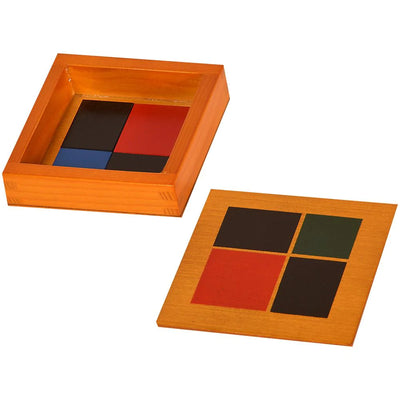
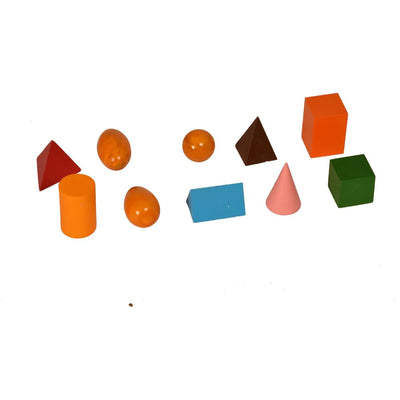
Maria Montessori's philosophy, which champions observation and respect for the child's inner life, resonates deeply with the idea of children forming profound connections with their toys. Montessori emotional intelligence is nurtured through environments that allow children freedom to explore and engage deeply with materials. A child who names their wooden block set 'The Family of Blocks' is not just playing; they are assigning meaning and building a narrative, which is a highly sophisticated form of imaginative play benefits India's diverse learning styles.
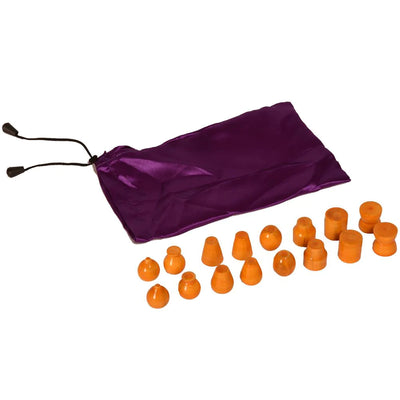
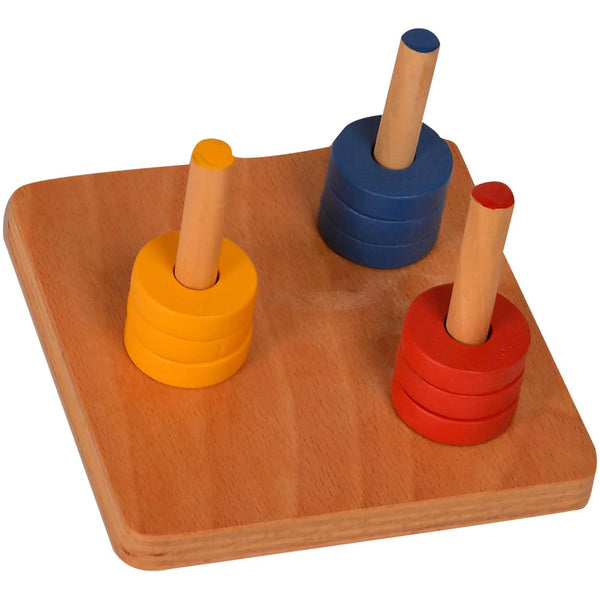
This deep engagement is especially valuable for special needs children, as it fosters concentration and self-directed learning. A Montessori classroom, much like an Indian home where grandparents often encourage quiet, focused play, provides the space for these bonds to flourish. When a child meticulously arranges their named fine motor skill toys, they're not just honing dexterity; they're enacting a story, which strengthens their cognitive and emotional pathways simultaneously.
Comfort Objects and Cognitive Growth: More Than Just a Toy
The importance of comfort objects, particularly named stuffed toys, extends beyond emotional support to significant cognitive advantages. When a child names a toy, they begin to develop 'theory of mind' – the understanding that others have their own thoughts, feelings, and perspectives, distinct from their own. This is a complex cognitive milestone, often delayed in some special needs conditions, and the named toy offers a safe sandbox for its development.
Research published by the American Academy of Pediatrics highlights that comfort objects help children manage stress and develop coping mechanisms. For a child transitioning to a new school in Delhi or adapting to changes in a joint family household, their named toy offers a stable, comforting presence. It's a bridge between their inner emotional world and the external, often unpredictable, reality.
Supporting Your Child's Imaginative World: Practical Steps for Indian Parents
As parents, therapists, and educators in India, we can significantly support this rich psychological process. Firstly, acknowledge and validate your child's named toys. When your daughter, Kavya, tells you her teddy 'Bala' is hungry, respond as if Bala is indeed part of the family narrative.
Secondly, provide open-ended, high-quality toys that encourage such imaginative engagement. Wooden blocks, simple dolls, and animal figures from SkilloToys allow children to project their own ideas and personalities, unlike prescriptive electronic toys. Encourage storytelling with these toys, asking questions like, 'What adventure did Raju the elephant have today?'
Finally, observe. Pay attention to the stories your child creates with their named companions. These narratives often reveal their inner thoughts, fears, and joys, offering invaluable insights into their emotional world and how they are processing their experiences. This deep understanding allows you to support their unique developmental journey more effectively and empathetically.